
Plants
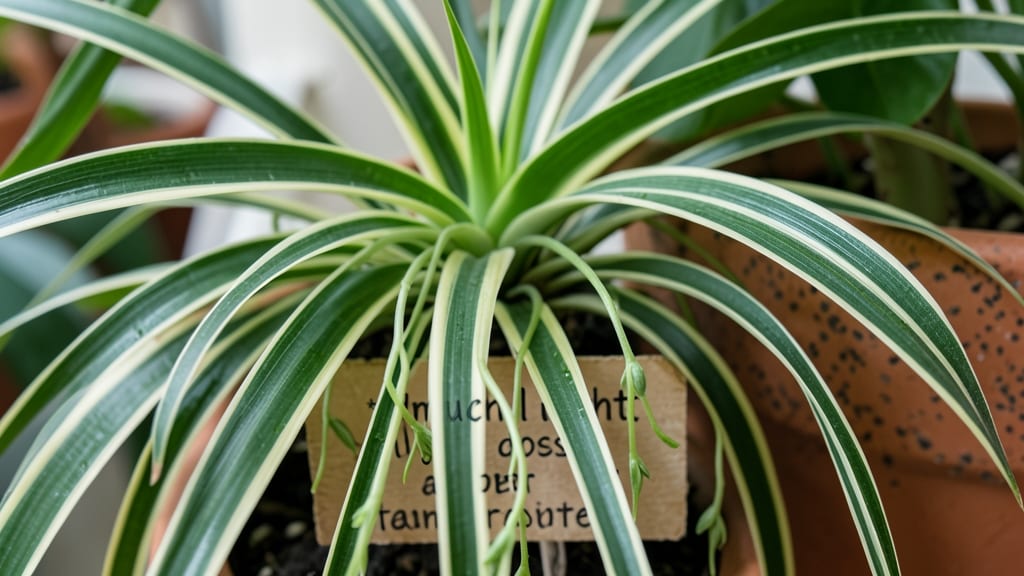
Ideal light conditions for spider plants: low to bright indirect sunlight explained
Your spider plant thrives in low to bright indirect light, making it perfect for homes with limited sunlight. Unlike sun-loving plants, it avoids harsh rays that cause leaf burn. Understanding these light levels helps you position your plant for optimal growth and vibrant foliage.
Start by identifying your home’s light zones. A north-facing window provides gentle, consistent light, while an east-facing window offers morning sun without afternoon intensity. South or west windows can be too harsh unless filtered through sheer curtains.
Here’s how to match your spider plant’s needs to your space:
| Light Level | Description | Ideal Placement | Signs of Stress |
|---|---|---|---|
| Low Light | Dimmest corner, 10-20 ft from window | Hallways, offices, or north-facing rooms | Leggy growth, pale leaves |
| Medium Light | Indirect sun, 3-6 ft from window | East or north windows, 2-3 ft away | Healthy green leaves, compact growth |
| Bright Indirect | Filtered sun, 1-3 ft from window | Sheer-curtained south or west windows | Brown tips (overwatering + light combo) |
| Direct Sun | Unfiltered sun, >3 hours/day | Avoid entirely; use grow lights instead | Yellowing, crispy edges, leaf scorch |
Notice how medium light produces the healthiest spider plant with vibrant green leaves. If your plant shows brown tips, it might be getting too much direct sunlight combined with inconsistent watering. Move it back 1-2 feet or add a sheer curtain.
Seasonal changes affect light intensity. In winter, when daylight is shorter, supplement with a grow light for 6-8 hours daily. Place it 6-12 inches above the plant to mimic natural light cycles and prevent leggy growth.
Rotate your spider plant every 2-4 weeks so all sides receive even light. This prevents one-sided growth and ensures those iconic arching leaves develop symmetrically. A simple quarter-turn keeps your plant balanced and bushy.
Watch for yellowing leaves, which often signal either too much light or poor drainage. Combine this with brown tips, and you’ve likely got a light-watering combo issue. Adjust by moving the plant to medium indirect light and watering only when the top inch of soil is dry.
Pro tip: Use a light meter (or your phone’s lux app) to measure light levels. Aim for 200-500 lux for optimal growth—this matches the brightness of a cloudy day. If readings drop below 200, supplement with artificial light.
Remember, spider plants are adaptable. If you notice pale leaves, it’s craving more light. If leaves turn crispy, it’s getting too much. The key is finding that sweet spot where your plant stays lush and green year-round.
Ideal light conditions for spider plants: low to bright indirect sunlight explained
Spider plants thrive in low to bright indirect sunlight, making them perfect for homes with limited natural light. Unlike sun-loving plants, they can’t handle harsh direct sunlight, which burns their delicate leaves. Instead, they prefer gentle, diffused light that mimics their natural understory habitat.
The key is finding that sweet spot where your plant gets enough light to grow but isn’t overwhelmed. Think of it like Goldilocks—not too dark, not too bright, but just right. Most homes can achieve this with simple window adjustments or artificial lighting solutions.
Low light (e.g., far from windows) will slow growth and cause leggy stems, while too much direct sun (south-facing windows) leads to brown tips and crispy edges. The goal is 4-6 hours of bright indirect light daily, like what you’d find under a canopy of trees.
Seasonal changes affect light intensity—winter sunlight is weaker, so your spider plant may need a spot closer to the window. Conversely, summer’s intense rays require moving your plant back or using sheer curtains to diffuse the light.
Observe your plant’s leaves: if they’re dark green and upright, you’ve got the perfect light balance.
For beginners, start with an east-facing window, which provides gentle morning light without the harsh afternoon sun. If your home lacks natural light, LED grow lights (12-16 hours daily) can supplement effectively. Just avoid placing them too close—6-12 inches above the plant is ideal to prevent overheating.
Pro tip: Rotate your spider plant quarter-turns every 2 weeks to ensure even light exposure. This prevents lopsided growth and helps all leaves get equal access to light. Even a small adjustment—like moving your plant 6 inches closer or farther—can make a dramatic difference in its health.