
Plants
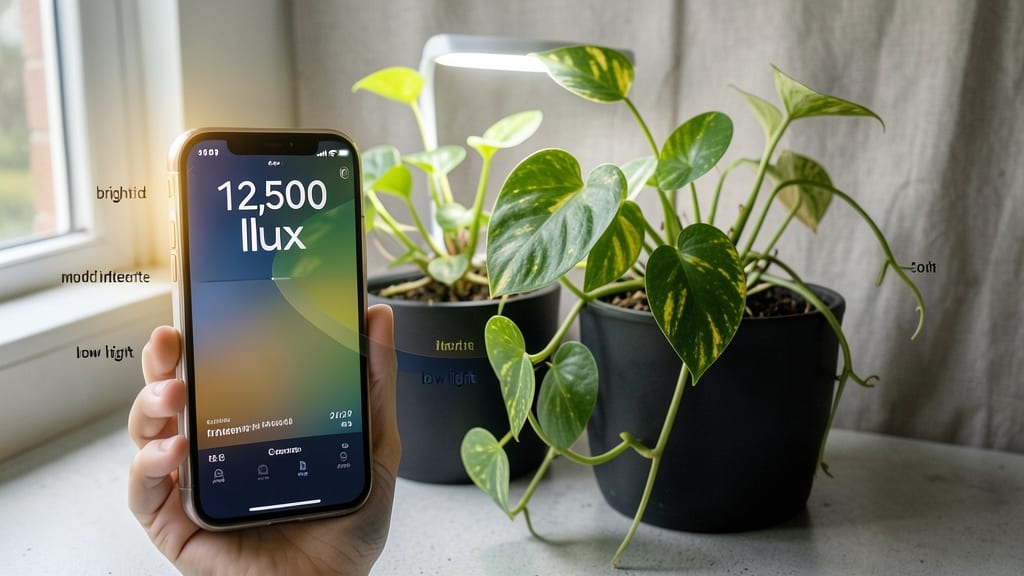
To keep your 🌿 Pothos thriving, you might be surprised to learn how much light does a pothos plant need—it doesn’t require much at all, just the right kind.
This resilient vine adapts to everything from dim offices to bright, indirect sunlight, but getting the balance wrong can mean the difference between lush growth and struggling leaves.
Most people assume Pothos needs bright light to survive, but the truth is, it’s one of the few plants that can handle low-light conditions without stress. That said, too little light slows growth, while too much can scorch those beautiful variegated leaves.
Let’s break down exactly how to find the sweet spot for your plant’s happiness.
Whether you’re dealing with a leggy vine or crispy edges, understanding light exposure is the key to keeping your Pothos healthy year-round. I’ll show you how to spot the signs of over- or underlighting and adjust your care routine in just a few simple steps.
Ready to give your plant the perfect lighting setup? You’ll discover how to use natural light, artificial options, and even seasonal tweaks to keep your Pothos looking its best—no guesswork required.

Pothos light requirements: the ideal spectrum for growth and health
Pothos plants are famous for their adaptability, but their light needs are the foundation of their health. Unlike high-maintenance plants, pothos thrives in conditions most homes naturally provide—bright indirect sunlight is ideal, but they can survive in lower light with adjustments.
Understanding the spectrum from low light to bright indirect helps you avoid common pitfalls like leggy growth or sunburned leaves.
Your pothos can handle low-light conditions, but this slows growth and dulls leaf color. Place it near a window that receives filtered light, like a north-facing window, where it gets 2-4 hours of indirect light daily.
In these conditions, expect slower growth but fewer care demands. For faster, bushier growth, aim for medium to bright indirect light—think east or west-facing windows where sunlight is gentle but abundant.
Direct sunlight is the enemy of pothos. Even a few hours of harsh afternoon rays can cause leaf scorch or crispy edges. If your plant shows signs like yellowing or brown patches, it’s getting too much sun.
Move it back 3-6 feet from the window or use a sheer curtain to diffuse the light. Remember, the goal is bright but indirect—like the dappled shade of a forest floor.
Now, let’s break down the light spectrum and how it impacts your pothos. The table below outlines the key differences in growth, leaf color, and care adjustments based on light intensity. This will help you diagnose your plant’s needs at a glance.
| Light Level | Daily Light Hours | Leaf Color | Growth Rate | Care Adjustments |
|---|---|---|---|---|
| Low Light | 2-4 hours | Dull green | Slow | Rotate pot weekly for even growth |
| Medium Light | 4-6 hours | Vibrant green | Moderate | Prune leggy vines to encourage bushiness |
| Bright Indirect | 6+ hours | Rich, variegated | Fast | Increase humidity or mist leaves |
Pay close attention to your pothos’ leaf color—it’s the first sign of whether it’s getting the right amount of light. In low light, leaves turn pale or lose their variegation, while too much light causes yellowing or brown patches.
For variegated varieties like ‘Marble Queen,’ bright indirect light is crucial to maintain those stunning white or yellow patterns. Without enough light, the white parts may fade to green, ruining the plant’s appeal.
If your pothos starts developing long, leggy vines with sparse leaves, it’s stretching toward any available light—this is a classic sign of underlighting. To fix this, move the plant closer to a window or supplement with a grow light.
A simple LED bulb with a 6,500K color temperature can mimic natural light and encourage healthier growth. Place it 12-18 inches above the plant for 12-14 hours daily.
On the flip side, if your pothos’ leaves develop crispy edges or white patches, it’s getting too much direct sun. These symptoms are often mistaken for underwatering, but the issue is almost always light-related.
Move the plant to a shadier spot immediately and trim any damaged leaves with clean, sharp scissors. Healthy leaves will regrow quickly once the light stress is removed.
For indoor gardeners, window direction matters more than you might think. A north-facing window provides the gentlest light, perfect for pothos. East-facing windows offer morning sun, which is ideal for medium-light conditions. West-facing windows can get intense afternoon sun, so use a sheer curtain to filter the light.
South-facing windows are usually too harsh unless you’re in a high-latitude area—even then, keep the pothos 6+ feet away.
Pro tip: Rotate your pothos quarter-turn weekly to ensure even light exposure. This prevents one side from stretching toward the window while the other stays weak. It also helps maintain a balanced,
Pothos light requirements: the ideal spectrum for growth and health
Your Pothos (Epipremnum aureum) thrives in a surprisingly wide range of light conditions, but the key is bright indirect sunlight. This vine can tolerate low-light environments like offices, but it grows best with filtered light that mimics its natural understory habitat.
The right light balance ensures vibrant leaves and rapid growth—too little slows it down, while too much can bleach or crisp the edges.
Start by placing your Pothos near a north-facing window, where it receives gentle morning light without harsh afternoon rays. East or west-facing windows work too, but avoid south-facing spots unless you position the plant 3-5 feet away to prevent scorching.
Even fluorescent office lighting can sustain a Pothos, though growth may be slower.
| Light Condition | Leaf Color & Growth | Ideal Placement |
|---|---|---|
| Low Light (<300 ft-c) | Pale green leaves, long vines, slow growth | North-facing window or 8+ feet from bright windows |
| Medium Light (300-1,000 ft-c) | Healthy green leaves, moderate growth, variegation brightens | East/west windows or 3-5 feet from south window |
| Bright Indirect (1,000-2,500 ft-c) | Deep green leaves, rapid growth, vibrant variegation | 2-3 feet from east/west window or sheer curtain-filtered south light |
| Direct Sunlight (>2,500 ft-c) | Bleached/yellow leaves, crispy edges, slowed growth | Avoid—move to indirect light immediately |
Notice how variegated Pothos varieties (like 'Golden Pothos' or 'Marble Queen') need slightly more light than solid green types to maintain their striking patterns. Without enough light, the white or yellow variegation fades to plain green.
For these types, aim for medium to bright indirect light to keep those colors popping.
Your Pothos will show you exactly what it needs through its leaves. Look for dark green, glossy leaves as a sign of perfect lighting. If the leaves turn lighter green or yellow, it’s craving more light—rotate the pot or move it closer to a window.
Conversely, brown or crispy edges mean it’s getting too much direct sun, so adjust with a sheer curtain or move it back.
Pro tip: Rotate your Pothos every 2-4 weeks to ensure even growth. Plants naturally lean toward light sources, so turning the pot helps maintain a full, bushy appearance. This simple habit prevents leggy growth and keeps your vine looking its best year-round.
Even in low-light conditions, your Pothos won’t die—it’ll just grow slower. But if you notice new leaves emerging smaller or the vines stretching excessively, it’s time to supplement with a grow light.
A basic LED bulb (6,000-7,000K color temperature) for 12-14 hours daily can work wonders for underlit plants.