
Plants
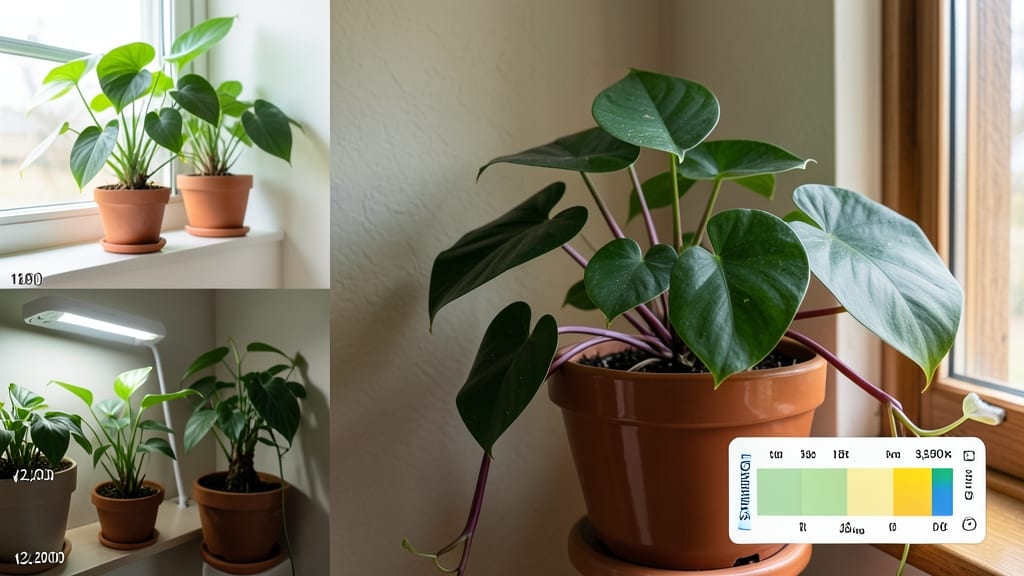
To keep your philodendron thriving, you might be surprised to learn it’s one of the most forgiving houseplants when it comes to how much light does a philodendron plant need—but only if you get it just right.
Too little, and your plant stretches out like it’s reaching for a snack; too much, and those gorgeous leaves start crisping at the edges. The sweet spot? Bright, indirect light that mimics its natural jungle habitat.
Most people assume philodendrons need lots of sunlight, but the truth is they’re adaptable. A north-facing window or a spot a few feet from an east or west window gives them the perfect balance.
Even a well-lit bathroom or office can work—just avoid harsh midday rays or dark corners where they’ll struggle to grow.
Here’s the game-changer: these plants can tolerate low light better than most, but they’ll reward you with faster, fuller growth when given moderate brightness. Think of it like Goldilocks—you’re aiming for "just right," not "too much" or "not enough."
I’ll show you exactly how to spot the signs of over- or underlighting and tweak your setup for lush, happy foliage.
Whether you’re dealing with a leggy heartleaf or a climbing variety, the key is consistency. With the right light, your philodendron will grow stronger and more vibrant—no green thumb required. Let’s get those leaves shining!

Philodendron light requirements: the ideal spectrum from low to bright indirect
Philodendrons are famously adaptable, but their light needs often get misunderstood. Unlike sun-loving plants, they thrive in low to bright indirect light, making them perfect for homes with limited natural light.
The key is finding that sweet spot—too little light causes leggy growth, while too much can scorch those beautiful leaves. Let’s break down exactly what your philodendron needs to stay happy and healthy.
Most philodendron varieties—like the popular heartleaf philodendron—prefer 1000 to 2000 foot-candles of light, which translates to bright indirect light. Think of it as the glow you’d get near a window with sheer curtains or a few feet away from an east-facing window.
This range supports photosynthesis without risking leaf burn. For varieties like philodendron Brasil or Xanadu, slightly more light (up to 3000 foot-candles) can enhance their vibrant foliage, but never direct sun.
🌿 How to Measure Light: Use your phone’s light meter app (or a simple lux meter) to check light levels. Aim for:
- Low light: 100-500 foot-candles (e.g., deep corners, north-facing windows)
- Medium light: 500-1000 foot-candles (e.g., 3-5 feet from an east/west window)
- Bright indirect: 1000-2000 foot-candles (e.g., 1-2 feet from a north window or under grow lights)
| Variety | Ideal Light | Max Tolerance | Signs of Stress |
|---|---|---|---|
| Heartleaf Philodendron | Bright indirect (1000-2000 fc) | 3000 fc (brief exposure) | Leggy growth, pale leaves |
| Philodendron Brasil | Medium to bright indirect (1500-2500 fc) | 3500 fc (filtered) | Brown leaf tips, crispy edges |
| Philodendron Xanadu | Bright indirect (2000-3000 fc) | 3500 fc (morning sun only) | Yellowing leaves, slow growth |
| Climbing Varieties (e.g., Philodendron Micans) | Medium light (1000-1500 fc) | 2500 fc (dappled) | Stretched internodes, dull foliage |
Understanding leaf color changes is your best tool for diagnosing light issues. For example, dark green leaves with yellow undersides often signal low light, while brown patches or crispy edges mean too much direct sun.
Even variegated philodendrons (like philodendron White Knight) need consistent indirect light to maintain their striking patterns—too little light dulls the white or yellow variegation.
If you’re unsure about your home’s light levels, start by placing your philodendron in a north-facing window, which provides the gentlest, most consistent indirect light. Avoid south-facing windows unless you use a sheer curtain to diffuse the harsh afternoon sun.
For indoor setups without natural light, LED grow lights (like full-spectrum bulbs) can mimic ideal conditions—just keep them 6-12 inches above the plant for 12-14 hours daily.
Pro tip: Rotate your philodendron quarterly to ensure even growth. Plants naturally lean toward light sources, so a slow 180-degree turn every 3 months keeps foliage balanced and prevents lopsided development. This is especially important for climbing varieties, which need support and even light exposure to thrive.
Remember, philodendrons are forgiving—they can survive in lower light for months, but they’ll reward you with faster growth and lusher leaves when given the right conditions. Start with bright indirect light, monitor your plant’s response, and adjust gradually. Your philodendron will thank you with vibrant, healthy growth! 🌱
Need more clarity? In the next section, we’ll explore the best spots in your home for philodendrons, from bathrooms to offices, and how to assess light levels like a pro. Stay tuned! ✂️
Philodendron light requirements: the ideal spectrum from low to bright indirect
Philodendrons thrive in bright, indirect light, but their exact needs vary by variety. Most types—like the popular heartleaf philodendron—adapt well to low-light conditions, while varieties such as Philodendron Brasil or Xanadu prefer slightly brighter spots.
The key is replicating their jungle habitat: dappled sunlight filtering through tree canopies. Too little light leads to leggy growth, while too much causes leaf burn.
Think of light as a spectrum: 10% to 20% sunlight is ideal for most philodendrons. For example, a north-facing window provides gentle morning light without harsh afternoon rays. Even east or west windows work, but avoid south-facing spots unless you place the plant 3-5 feet away to diffuse the intensity.
Artificial grow lights can bridge gaps in dim rooms, especially for climbing varieties that need more energy to produce large leaves.
Here’s how to decode your philodendron’s light needs: dark green, glossy leaves mean it’s happy; pale or yellowing leaves signal underlighting; and brown edges or crispiness mean it’s getting too much direct sun.
Even variegated varieties (like Philodendron ‘White Knight’) need indirect light to maintain their striking patterns—direct sun can bleach the colors.
| Variety | Light Needs | Signs of Stress |
|---|---|---|
| Heartleaf | Low to medium indirect | Leggy stems, small leaves |
| Brasil | Medium indirect (brighter) | Brown leaf tips, slow growth |
| Xanadu | Low to medium indirect | Stunted growth, dull leaves |
Scientifically, philodendrons perform photosynthesis efficiently in low to moderate light (around 500-1,000 foot-candles). Their large leaves capture even diffused light, but they lack the protective wax coating of sun-loving plants, making them vulnerable to UV damage.
A simple test: hold your hand near the plant. If you can’t see your shadow clearly, the light is likely too dim. If you see a sharp shadow, it’s too intense.
For climbing varieties, like Philodendron ‘Hope’ or ‘Birkin,’ aim for 3-4 hours of indirect light daily to encourage vigorous vine growth. These types need more energy to produce their dramatic foliage. In contrast, trailing types (e.g., Philodendron ‘Micans’) tolerate 2 hours or less of light but may grow slower.
The trade-off? Slower growth often means fewer pests and easier care—perfect for busy plant parents!
Pro tip: Rotate your philodendron quarterly to ensure even light exposure. This prevents lopsided growth and helps the plant develop balanced foliage. If you notice new leaves growing smaller than mature ones, it’s a clear sign the plant isn’t getting enough light.
Adjust gradually—sudden changes can shock the plant, leading to leaf drop. Patience pays off with lush, healthy growth!