
Plants
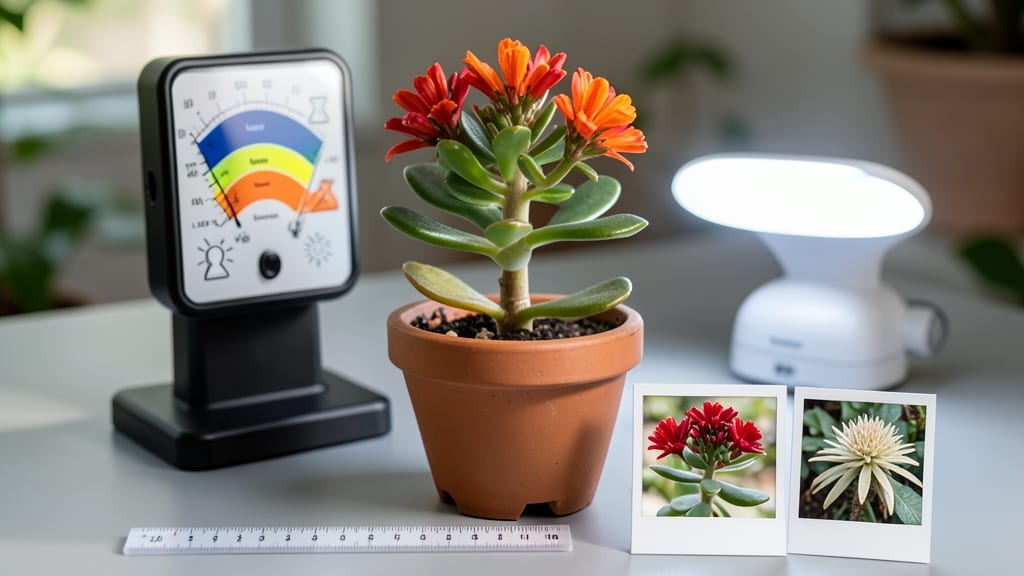
If your Kalanchoe 🌸 looks more like a sad, stretchy stalk than a vibrant blooming beauty, you might be getting how much light does a kalanchoe plant need all wrong.
This hardy succulent thrives when bathed in just the right amount of brightness—too little and it grows leggy, too much and those gorgeous flowers never appear.
The key to keeping your Kalanchoe happy lies in bright indirect light, mimicking its natural habitat in sunny but sheltered spots. Whether you're growing it indoors near a sunny window or outdoors in USDA Zone 6a, understanding these light preferences is the game-changer for year-round blooms.
In this guide, I’ll break down exactly how many hours of light your Kalanchoe needs, how to spot signs of over- or under-exposure, and the best placement tricks for both indoor and outdoor setups. No more guessing—just lush, flowering plants that steal the show.
Let’s dive into the simple secrets that’ll transform your Kalanchoe from lackluster to stunning in no time.

Ideal light requirements for Kalanchoe blooms: bright indirect sunlight explained
Your Kalanchoe 🌸 thrives on 4-6 hours of bright indirect light daily, mimicking its natural habitat in sunny but sheltered spots. This succulent loves light but can't handle harsh midday rays that scorch its leaves.
Think of it like a sunbathing lover who prefers a shady beach chair over direct noon sun.
The optimal light spectrum triggers flowering hormones, ensuring those vibrant blooms you adore. Without enough light, your plant stretches toward any available source, creating leggy stems and sparse foliage. Too much direct sun? Watch for brown leaf tips or crispy edges—clear signs of light burn.
Indoors, place your Kalanchoe near an east- or west-facing window, where morning or afternoon sun is gentler. A south-facing window works too, but move it back 3 feet to diffuse harsh rays. Outdoors, partial shade under a tree canopy or perennial garden creates the perfect balance.
Seasonal adjustments matter! During summer months, your Kalanchoe may need afternoon shade to prevent overheating. In winter, supplement with a grow light for 12-14 hours daily to maintain its bloom cycle. Even low-light winters can trigger dormancy if light drops below 4 hours.
Here’s how to spot light stress in your plant:
| Light Condition | Plant Response | Solution |
|---|---|---|
| Insufficient Light (<4 hrs) | Leggy stems, sparse leaves, no blooms | Move to brighter spot or add grow light |
| Bright Indirect Light (4-6 hrs) | Compact growth, vibrant flowers, healthy leaves | Perfect! Keep current conditions |
| Direct Sunlight (>6 hrs) | Brown leaf tips, crispy edges, sunburn | Filter light with sheer curtain or move to shade |
| Low Light (Artificial Only) | Slow growth, pale leaves, no blooms | Upgrade to full-spectrum LED grow light |
For outdoor Kalanchoe, spring and fall are ideal seasons to enjoy natural sunlight without risking heat stress. In USDA Zone 6a, bring potted plants indoors before the first frost (October 15) to avoid temperature shock.
A sunroom or conservatory with filtered light keeps them thriving year-round.
Pro tip: Rotate your Kalanchoe pot every 2-3 weeks to ensure even light exposure. This prevents one-sided growth and keeps your plant symmetrical. A well-lit Kalanchoe isn’t just healthy—it’s a showstopper with bold colors and long-lasting blooms.
Remember, light quality matters as much as duration. If your plant’s leaves look dull or stretched, it’s begging for more bright indirect light. Adjust gradually—sudden changes can stress your succulent. With the right light, your Kalanchoe will reward you with non-stop blooms for months!
🌿
How to position your Kalanchoe for maximum blooms: window-by-window guide
Finding the perfect spot for your Kalanchoe 🌸 isn’t just about any sunny window—it’s about mimicking its natural light preferences. These succulents crave bright indirect light, which means they need plenty of sunlight without the harsh glare that can scorch their leaves.
Think of it like a sunny day under a canopy: dappled light that keeps them happy without burning them.
The best windows for your Kalanchoe are south-facing, where they’ll get the most consistent light throughout the day. If you only have east- or west-facing windows, place your plant within 2-3 feet of the glass—just close enough to catch the morning or afternoon sun without overheating.
North-facing windows? Those are a no-go unless you supplement with grow lights.
- 🌞 Place near south-facing windows for 4-6 hours of light
- 🪴 Rotate pot quarter-turn weekly for even growth
- 💡 Use grow lights 12-14 hours/day if indoors lacks natural light
- 🌿 Choose sheer curtains to filter harsh afternoon sun
- ⚠️ Avoid direct midday sun (11 AM–3 PM) which causes leaf burn
- ⚠️ Skip north-facing windows without artificial lighting
- ⚠️ Don’t place near heat sources like vents or radiators
- ⚠️ Avoid dim corners which cause leggy, weak stems
If your home lacks ideal natural light, grow lights are your best friend. Opt for full-spectrum LED lights placed 6-12 inches above the plant, and keep them on for 12-14 hours daily.
This mimics the long daylight hours Kalanchoes need to bloom. Just remember: consistency is key—fluctuating light levels confuse the plant and can prevent flowering.
For outdoor enthusiasts, USDA Zone 6a gardeners can place Kalanchoes in partial shade during summer’s intense heat, then move them to full sun in spring and fall.
Just avoid hot afternoon sun, which can scorch their delicate leaves. A little afternoon shade goes a long way in keeping your plant thriving.
Watch for signs of light stress: yellowing leaves mean too much sun, while pale, stretched stems signal insufficient light. Adjust your plant’s position gradually—sudden changes can shock it.
With the right spot, your Kalanchoe will reward you with bold blooms year-round, proving that a little light planning goes a long way.