
Plants
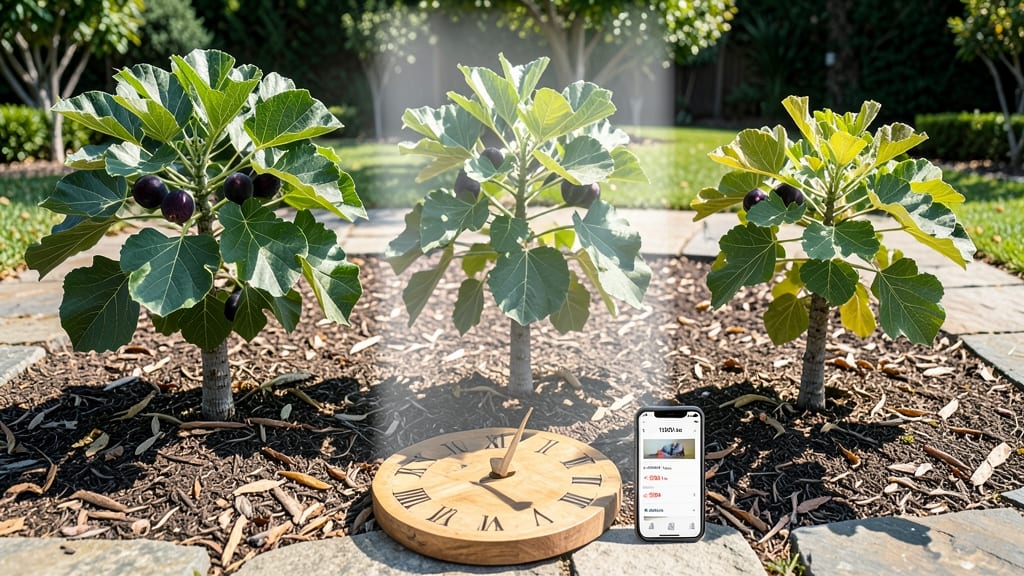
Wondering how much light your 🍈 fig plant actually needs to thrive? The answer might surprise you—it’s not just about throwing it in the sun all day. Figs are sun-lovers, but they’re also sensitive to too much heat, which can scorch their leaves or stunt growth.
Getting the balance right is the key to a healthy, fruit-bearing tree, whether you’re growing it in your backyard or on a sunny windowsill.
Most fig varieties—especially those suited for USDA Zone 6a—do best with 4 to 6 hours of direct sunlight daily. That’s the sweet spot where they soak up enough energy to produce sweet fruit without overheating.
But here’s the catch: morning sun is gentler than harsh afternoon rays, and indoor figs need extra care to mimic natural light cycles. Let’s break down exactly how to meet their needs, from outdoor plots to bright indoor spots.
You might think your fig is doing fine in partial shade, but those yellowing leaves or weak stems? That’s often a sign it’s craving more light—or, in some cases, too much.
I’ll show you how to spot the difference and adjust your approach, whether you’re dealing with a spring-planted sapling or a mature tree ready for harvest. By the end, you’ll know exactly how to keep your fig happy, productive, and free from light-related stress.
Ready to transform your fig plant from struggling to stunning? The solution starts with sunlight—and trust me, once you get it right, you’ll see the difference in just a few weeks. Let’s dive into the details so you can give your fig the perfect light environment it deserves.

Ideal sunlight requirements for fig plants: the 4-6 hour rule explained
Figs are sun worshippers—they crave 4 to 6 hours of direct sunlight daily to thrive. This range works for most varieties, but Mediterranean figs (like 'Brown Turkey') need full sun (6+ hours), while hardy figs (like 'Chicago Hardy') tolerate partial shade (3-4 hours).
Understanding these differences is key to avoiding common pitfalls like leaf scorch or stunted growth.
Sunlight isn’t just about duration—morning sun (6 AM–12 PM) is gentler than harsh afternoon rays (12 PM–6 PM). Position your fig to receive morning sun first, then afternoon shade if temperatures exceed 90°F (32°C).
This mimics their natural Mediterranean climate, where heatwaves are tempered by coastal breezes.
🌱
Seasonal adjustments are critical. In summer (June–August), figs need afternoon shade to prevent heat stress. Use a lightweight shade cloth (30–50%) or move potted figs to dappled shade under trees. Conversely, in winter (December–February), extend sunlight exposure to 8+ hours if possible, as shorter days reduce photosynthesis.
Measuring sunlight accurately is easier than you think. Use a sunlight tracker app (like Sun Surveyor) or place a white piece of paper near your plant—if it casts a sharp shadow, it’s direct sun; if the shadow is fuzzy, it’s indirect.
For indoor figs, south-facing windows provide the most light, while east or west windows offer 3–4 hours daily.
Watch for visual cues that reveal light imbalances. Yellowing leaves (chlorosis) signal too little light, while crispy brown edges mean sunburn. Slow growth or small, sparse fruit also point to insufficient light. If you spot these, adjust placement immediately—figs recover faster from under-lighting than over-lighting.
🪴
For outdoor figs, mulch with straw or wood chips to retain moisture and reflect sunlight onto the roots. For indoor figs, rotate the pot quarter-turns weekly to ensure even light exposure on all sides. This prevents one-sided growth and keeps your fig symmetrical and healthy.
Pro tip: If your fig is newly planted, acclimate it gradually to full sun. Start with 2 hours daily, then increase by 1 hour weekly over 4 weeks. This hardening process mimics natural conditions and reduces shock.
☀️
How to adjust light for indoor vs. outdoor fig plants: solutions for low-light spaces
If your fig plant is struggling indoors, don’t despair—most 🍈 fig varieties can thrive with the right light adjustments. The key is mimicking 4 to 6 hours of direct sunlight, even when space is limited.
Start by placing your plant near a south-facing window, where it can soak up the strongest morning and afternoon rays. If your home lacks natural light, supplement with grow lights to bridge the gap.
For outdoor figs, the goal is simple: full sun exposure (6+ hours daily). However, afternoon shade in hot climates (like USDA Zone 6a) prevents leaf scorch. Position your tree where it gets morning sun and afternoon shade—this balances energy absorption without risking heat stress.
Indoor Solutions
- South-facing window: Best for natural light (6+ hours).
- Reflective surfaces: Use mirrors or white walls to bounce light.
- Grow lights: LED bulbs (5000K-6500K) for 12-14 hours/day.
Outdoor Solutions
- Morning sun: Gentle warmth without scorching.
- Afternoon shade: Protect from intense midday heat.
- Dappled light: Use sheer curtains or lattice for filtered sun.
Indoor figs often suffer from etiolation—stretched, weak stems—when light is insufficient. Combat this by placing your plant within 3 feet of a bright window or using a full-spectrum LED grow light (like the Samsung LM301B) for 14 hours daily.
Avoid fluorescent bulbs—they lack the blue light figs need for photosynthesis.
Outdoor figs, meanwhile, may show signs of heat stress (brown leaf edges) if exposed to unfiltered afternoon sun. In these cases, provide partial shade using a cloth shade sail (30-50% coverage) or plant near taller trees that offer dappled shade.
This keeps roots cool while still allowing ample light for fruit production.
Watch for yellowing leaves or slow growth—these are red flags for inadequate light. If your fig is indoors, consider moving it to a brighter spot or investing in a smart grow light with adjustable spectra.
For outdoor plants, observe leaf color: dark green means it’s happy; pale or purple-tinged leaves signal a need for more sun.
With these adjustments, your fig plant—whether indoors or out—will thrive in its ideal 4 to 6 hours of daily light. The secret? Pay attention to its cues and adapt your approach seasonally. A well-lit fig rewards you with sweet, abundant fruit and lush foliage all season long. 🌱