
Plants
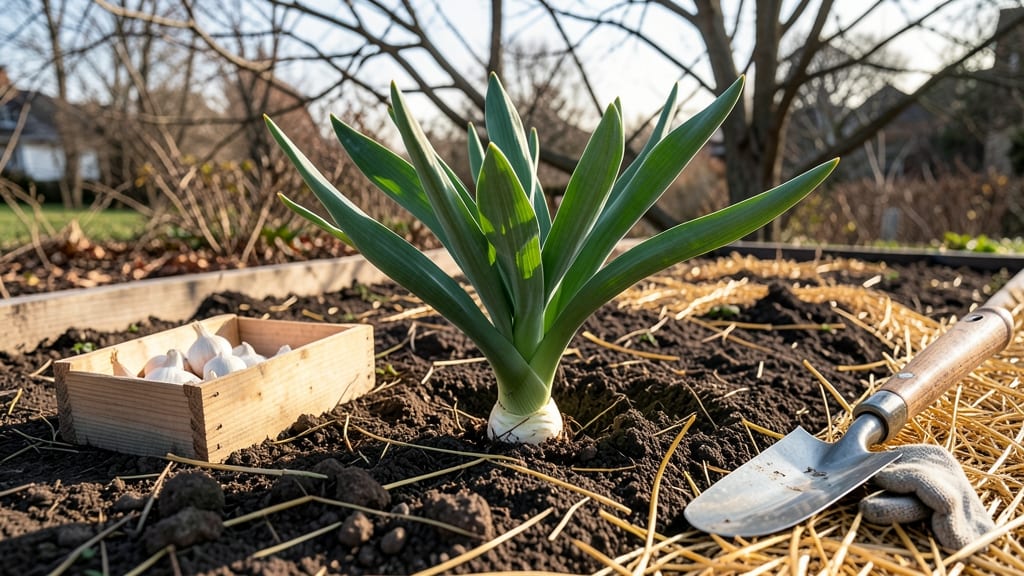
Planting garlic in New Jersey at the wrong time can mean the difference between a bumper crop of plump, flavorful bulbs and a disappointing harvest—or worse, no garlic at all.
The key to success lies in understanding your USDA Zone 6a-7a climate and timing the 🧄 just right, typically between October and November, before the ground freezes.
If you’ve ever wondered why some gardeners swear by hardneck varieties while others prefer softneck, the answer starts with when—and how—you plant. New Jersey’s unpredictable frosts and heavy soils demand a strategic approach, from soil prep to spacing.
I’ll walk you through the exact steps to ensure your garlic thrives, whether you’re a first-time grower or a seasoned gardener looking to refine your technique.
You’ll also discover which garlic types perform best in your region, how to tell when your cloves are ready for the ground, and how to protect them through winter.
With the right timing and care, you could be harvesting garlic next July or August—just in time for summer recipes and bragging rights at the farmers' market.
Let’s dive into the perfect planting window, soil secrets, and variety choices that will set you up for garlic success in New Jersey. Your future meals—and your neighbors’ envy—are about to get a whole lot better.
Best planting months for garlic in New Jersey: hardneck vs softneck guide
New Jersey’s USDA Zones 6a-7a create the perfect climate for growing garlic, but timing is everything. Plant too early, and your cloves may sprout before winter; too late, and they won’t establish roots before freezing.
The ideal window is October through November, when soil temperatures drop below 60°F (15°C) but before the ground freezes.
This timing ensures garlic gets a long, cold winter—critical for bulb formation. Hardneck varieties, like ‘Music’ or ‘German White’, need 4-6 weeks of cold to form scapes and bulbs, while softnecks like ‘Silverskin’ are more flexible but still benefit from early planting.
Missing this window means smaller yields or no harvest at all.
Pro Tip: Check your local last frost date (typically mid-November in NJ). Aim to plant 4-6 weeks before the ground freezes—this gives roots time to establish but prevents early sprouting.
| Variety Type | Best Planting Window | Soil Temp Threshold | Why It Matters |
|---|---|---|---|
| Hardneck (e.g., 'Music', 'German White') | October 15–November 15 | Below 60°F (15°C) | Needs cold for scapes & bulbs |
| Softneck (e.g., 'Silverskin', 'Artichoke') | October 1–December 1 | Below 55°F (13°C) | More flexible; stores longer |
| Both Types | Avoid planting after December | N/A | Roots won’t establish before freeze |
New Jersey’s variable climate means you might need to adjust based on your exact location. For example, northern NJ (Zone 6a) should plant earlier (late September–early October) to avoid early frosts, while southern NJ (Zone 7a) can wait until mid-October.
Use a soil thermometer to confirm temperatures—below 60°F (15°C) is ideal for planting.
If you miss the fall window, spring planting is possible but risky. Cloves planted in March or April may produce smaller bulbs because they lack the cold vernalization period. However, softnecks can sometimes succeed with spring planting, while hardnecks almost always fail.
Another critical factor is soil preparation. Garlic thrives in well-draining soil with a pH of 6.0–7.0. In NJ, where soils range from heavy clay to sandy loam, amend with compost or aged manure to improve drainage and fertility. Avoid fresh manure, which can burn cloves.
Local Tip: Test your soil’s drainage before planting. In wet winters (common in northern NJ), raised beds or mounded rows prevent rot. Add sulfur or peat moss if your soil is alkaline—garlic prefers slightly acidic conditions.
Once planted, mulch heavily with straw or leaves (3–4 inches) to insulate bulbs during winter. This protects against freeze-thaw cycles and keeps soil temperatures stable. Remove mulch in early spring to prevent fungal diseases like white rot.
Remember: harvest timing depends on planting date. Garlic planted in October will be ready by mid-July, while late-November plantings may not harvest until August. Watch for lower leaves turning brown—this signals bulbs are mature and ready to pull.
With the right timing and care, your New Jersey-grown garlic will be larger, flavorful, and disease-resistant compared to store-bought. Start now, and you’ll be celebrating your first harvest next summer!
Best planting months for garlic in New Jersey: hardneck vs softneck guide
New Jersey’s USDA Zones 6a-7a create a unique challenge for garlic growers—get the timing wrong, and you’ll miss the critical cold period needed for bulb formation. Unlike many crops, garlic thrives when planted in fall, not spring, so understanding your variety’s needs is key.
Hardneck varieties (like ‘Music’) need 60-90 days of cold to form bulbs, while softneck varieties (like ‘Silverskin’) are more flexible but still benefit from winter chill.
In New Jersey, the ideal planting window stretches from mid-October to early November, giving plants time to establish roots before the ground freezes (typically by mid-November).
Planting too early (September) risks premature sprouting, while planting too late (December) may leave cloves vulnerable to freeze damage before they root. Adjust for your specific microclimate—coastal areas (like Cape May) may stay warmer longer, while inland zones (like Sussex County) freeze earlier.
🌱 Hardneck vs Softneck Planting Guide for New Jersey
| Variety Type | Best Planting Window | Cold Requirement | Key Notes for NJ |
|---|---|---|---|
| Hardneck | October 15–November 15 | 60–90 days below 40°F | Produces scape (edible stem); best for USDA Zone 6a. |
| Softneck | October 1–December 1 | 45–60 days below 40°F | Stores longer; better for Zone 7a or milder winters. |
⚠️ Pro Tip: Use a soil thermometer to confirm soil temps are below 50°F before planting—this ensures cloves won’t sprout too soon.
Why does this timing matter? Garlic bulbs form during the cold winter months, not spring. Planting in fall allows cloves to root deeply before dormancy, while the winter chill triggers bulb development.
In New Jersey, hardneck varieties like ‘German White’ or ‘Chesnok Red’ need that 60-90 day cold snap—if you’re in Zone 7a (like Camden), aim for an October 1–November 15 window. For softnecks, you’ve got a bit more leeway, but don’t push past early December or risk poor establishment.
Local microclimates play a huge role. For example, Northern NJ (Zone 6a) freezes earlier—plant by October 20—while Southern NJ (Zone 7a) can wait until November 1. Use your last frost date as a guide: plant 4-6 weeks before the first hard freeze (typically mid-November).
A quick trick? Check your USDA Plant Hardiness Zone map—if you’re in Zone 6a, prioritize hardneck varieties; if Zone 7a, softnecks may perform better.
One common mistake? Planting store-bought garlic (from the grocery store) as seed. These bulbs are often treated to prevent sprouting and may carry diseases. Instead, source certified disease-free seed garlic from local NJ suppliers like Jersey Fresh Growers or online retailers specializing in garlic (e.g., Richters).
Store your seed garlic in a cool, dark place (like a mesh bag in the fridge) until planting day to maintain viability.
After planting, mulch with 2-3 inches of straw to insulate cloves through winter. This protects them from freeze-thaw cycles and keeps soil temps stable. Come spring, you’ll see green shoots in March—this confirms your timing was spot-on! By July-August, you’ll harvest plump, flavorful bulbs ready for braiding or cooking.
Remember: New Jersey’s garlic success hinges on one rule—plant before the ground freezes, but after soil cools below 50°F. Get this right, and you’ll enjoy garlic that’s three times more flavorful than store-bought! 🌱