
Flowers
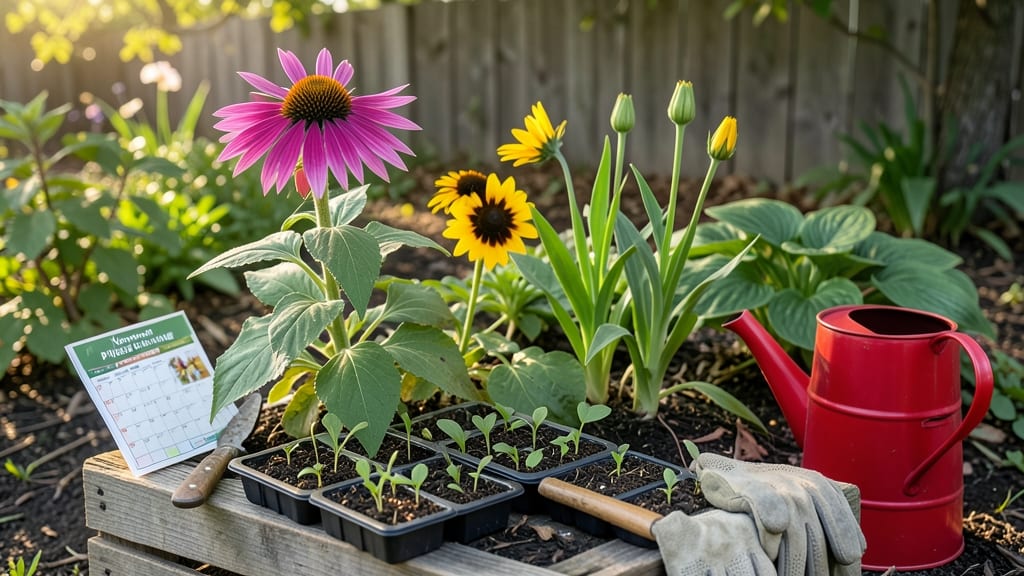
Timing your flower planting in Vermont isn't just about following a calendar—it's about outsmarting Zone 5b's unpredictable frost dates and short growing season. One wrong move, and your 🌸 could fade before they even bloom.
But with the right strategy, you can turn your garden into a year-round showstopper, from early spring bulbs to late-summer perennials.
I've spent years testing what works in Vermont's climate, and the key is knowing exactly when to plant—whether you're seeding annuals in late April or tucking in fall-blooming perennials by September.
The difference between thriving flowers and wasted effort often comes down to these precise windows. Let me walk you through the exact schedule that's earned me bold blooms season after season.
Most gardeners focus only on spring planting, but Vermont's cooler summers and early frosts demand a smarter approach. We'll cover everything from preparing your soil in early spring to extending your season with fall plantings that beat the first frost.
Whether you're a beginner or a seasoned gardener, these localized tips will help you avoid common mistakes and maximize your garden's potential.
Ready to transform your yard into a vibrant sanctuary? Stick with me, and I'll show you how to plant flowers at the perfect time—so you can enjoy months of color instead of a fleeting summer display.
Your Vermont garden deserves better than guesswork, and this is how you make it happen.
Vermont flower planting timeline by season: exact weeks for Zone 4B success
Timing is everything in Vermont’s Zone 4B gardens, where last frost dates can shift by weeks between valleys and mountain slopes. Most gardeners in Burlington and southern Vermont aim for mid-May as their target, but northern regions like Stowe often wait until late May or early June.
I’ve planted tulips in April only to lose them to frost—so let’s break this down by season to avoid those heartbreaking mistakes.
Your planting schedule should revolve around three key dates: the average last frost (May 15), the soil warming threshold (50°F), and the first frost warning (October 10). Vermont’s short growing season demands precision, but with the right approach, you can enjoy blooms from spring crocuses to fall mums.
🌱 Here’s your month-by-month planting calendar:
For annuals, I start seeds indoors in late March for varieties like geraniums and snapdragons, which need a head start. Transplant them outdoors only after the soil temperature consistently stays above 55°F—usually late May in most of Vermont.
Pro tip: Use a soil thermometer to track warming trends in your specific microclimate.
Perennials like black-eyed Susans and daylilies can handle Vermont’s Zone 4B winters, but I always plant them after the last frost in May to avoid rot from cold, wet soil. If you’re in a northern Vermont area, consider waiting until early June for extra safety.
Fall planting is your secret weapon for early spring color. I plant tulip bulbs in November—they’ll sit dormant through winter and burst into bloom by May. For annuals like pansies, September is ideal; they’ll thrive through light frosts and keep blooming until December in sheltered spots.
Don’t forget about succession planting! In Vermont’s short season, I stagger marigold and zinnia plantings every 2-3 weeks from June through July to ensure continuous blooms. This technique works wonders for cut flower gardens too—imagine fresh bouquets from June through September!
One critical mistake I’ve made? Planting tender annuals like impatiens too early. They’ll bolt or rot in cool Vermont springs. Always check the plant’s hardiness zone—stick to Zone 3-5 varieties for reliability.
For container gardens, I plant petunias and geraniums in late May after all danger of frost has passed. Containers warm up faster than garden beds, so they’re perfect for extending your season by 2-3 weeks on either end.
🌼 Pro Tip: Mark your calendar for May 15 (Burlington’s average last frost) and October 10 (first frost). These dates are your garden’s bookends—plan everything around them!
Best flowers to plant in Vermont by month: fast-growing vs. cold-hardy picks
Vermont’s short growing season means choosing the right flowers for each planting window is everything. I’ve tested dozens of varieties over the years, and the difference between a disappointing spring display and a showstopping summer garden often comes down to timing.
Early spring bulbs like daffodils and crocuses need to go in the ground by October to naturalize, while late-season annuals like zinnias and marigolds should wait until after the last frost in May.
For cold-hardy perennials, think coneflowers and black-eyed Susans—they thrive in Vermont’s climate and return year after year. Fast-growing annuals like pansies and snapdragons are perfect for early spring or fall plantings, while heat-loving sunflowers and cosmos should go in after Memorial Day.
Deer pressure is also a real challenge, so I always prioritize deer-resistant varieties like lupine or lavender.
Here’s my curated list of top-performing flowers for each planting window, tailored to Vermont’s unique challenges:
🌱 Early Spring (March-April)
- 🌷 Daffodils – Plant bulbs by October for spring blooms; deer-resistant and frost-tolerant.
- 🌼 Pansies – Start seeds indoors in March or plant hardened-off seedlings in April.
- 🌿 Snapdragons – Sow seeds indoors in late March for early blooms.
☀️ Late Spring (May-June)
- 🌻 Sunflowers – Direct-sow after last frost (May 15); fast-growing and drought-tolerant.
- 🌼 Zinnias – Plant after Memorial Day for continuous blooms through frost.
- 🌺 Petunias – Transplant after last frost; thrive in full sun and well-draining soil.
🍂 Fall (September-October)
- 🌼 Mums (Chrysanthemums) – Plant in early September for fall color; deer-resistant varieties like ‘Dynasty’.
- 🌿 Aster – Sow seeds in late summer for late-season blooms.
- 🌷 Tulips – Plant bulbs by October 15 for next spring.
Vermont’s acidic soil and short season can be tricky, but these picks are proven winners in my garden. For example, coneflowers and black-eyed Susans handle Vermont’s humidity and occasional drought better than many other perennials.
And if you’re dealing with deer pressure, lavender and lupine are two of my go-to varieties—they’re tough, fragrant, and deer usually leave them alone.
Pro tip: If you’re planting annuals for summer color, succession planting every 2-3 weeks after the last frost ensures you have blooms from June through September. For perennials, focus on early spring and fall plantings to give roots time to establish before winter.
This strategy has given me months-long blooms instead of just a few weeks.
Don’t overlook winter interest either—planting ornamental grasses like feather reed grass or sedum in fall adds texture and color when other plants are dormant. These cold-hardy varieties hold up beautifully through Vermont’s winters and often bloom again in spring.