
Flowers
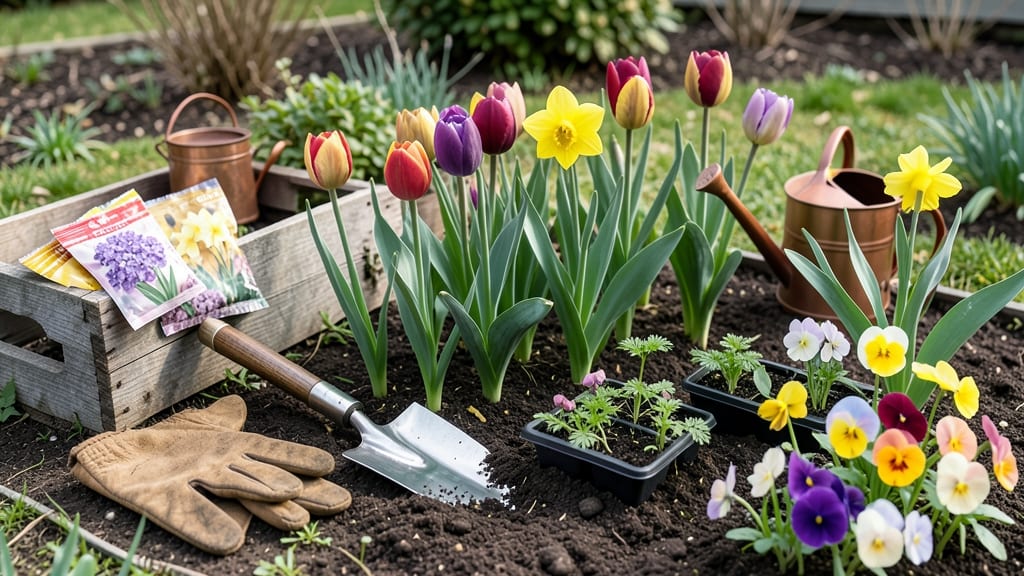
Timing your spring flower planting can make the difference between a garden bursting with 🌸 color and one that struggles to take root. The key isn't just checking the calendar—it's understanding how soil warmth, frost dates, and even the moon's phases create the perfect window for success.
In Zone 6a, where many gardeners find themselves, waiting until after the last frost—typically mid-April to early May—gives your flowers the best chance to thrive.
But here's the secret: planting on the right moon phase can supercharge root growth and blooming power, giving you stronger stems and more vibrant petals.
I've tested these methods over years, and the results speak for themselves—flowers planted at the optimal time not only survive but flourish all season long. Whether you're a seasoned gardener or just starting, this guide will help you avoid common mistakes and maximize your garden's potential.
Let's dive into the science-backed timing that transforms your spring planting from guesswork to guaranteed success. You'll discover exactly when to plant for each flower type, how to prepare your soil, and why timing is everything when it comes to growing a showstopping garden.
Best moon phases for planting flowers in spring (science-backed guide)
Planting flowers by the moon isn’t just old wives' tales—it’s rooted in gravitational science. The moon’s pull affects plant sap flow, which directly impacts root growth and flowering patterns.
When you align your planting with the right lunar phase, you’ll see stronger stems, healthier blooms, and even faster germination. The key is understanding which phases work best for bulbs, annuals, and perennials.
For most flowers, the waxing moon (the period after a new moon when the moon is growing) is ideal for planting. This phase boosts root development because the moon’s gravity pulls water upward, encouraging roots to dive deep.
However, if you’re planting leafy greens or foliage plants, the waning moon (after a full moon) works better for leaf growth. Flowers, though, thrive under the waxing moon’s energy.
Timing is everything—plant bulbs like tulips or daffodils during the waxing crescent moon for robust root systems before dormancy. For annuals like marigolds or petunias, aim for the waxing gibbous phase when roots and tops grow simultaneously.
Even the full moon has its place: it’s a powerful time for transplanting established plants, as the energy supports recovery.
| Moon Phase | Best For | Why It Works |
|---|---|---|
| New Moon | Soil prep, pruning | Lowest gravitational pull; ideal for root stimulation prep. |
| Waxing Crescent | Bulbs, root crops | Encourages deep root growth before top growth. |
| First Quarter | Annuals, seeds | Balances root and shoot growth for strong starts. |
| Full Moon | Transplanting, harvesting | Peak energy for recovery and nutrient uptake. |
| Waning Gibbous | Perennials, shrubs | Supports established root systems and flowering. |
Don’t overlook the moon sign (the zodiac constellation the moon is in) for even finer-tuned results. For example, planting under a fruitful moon sign like Pisces or Cancer enhances growth, while a barren moon sign like Virgo can slow it down.
Check a lunar planting calendar to align your efforts with both the phase and the sign for maximum success.
Pro tip: Use a moon phase tracker app to set reminders for your planting schedule. I swear by Farmers’ Almanac or Moon Garden—they provide regional adjustments and even alert you to high-tide days, which can affect soil moisture.
Pair this with your local last frost date, and you’ve got a foolproof system for timing-perfect spring flowers.
If you’re planting cutting flowers like zinnias or cosmos, the waxing gibbous phase is your best bet. These flowers need strong stems to support their blooms, and this phase ensures thick, sturdy growth.
For container gardens, the waxing moon also helps prevent root-bound issues by encouraging outward growth.
One common mistake is ignoring the moon’s altitude. The higher the moon is in the sky, the stronger its gravitational pull. Plant when the moon is at its highest (usually around midnight for a full moon) to maximize energy transfer to your plants.
This is especially critical for tender perennials that need a strong start to survive summer heat.
Finally, always pair moon phase planting with proper soil prep. Loosen the soil, add compost, and ensure good drainage before planting. The moon’s energy works best when your soil is already primed for growth.
Think of it like giving your plants a head start—the moon’s pull helps them take full advantage of your hard work.
Ready to put this into action? Grab your calendar, mark the next waxing crescent moon, and get those tulip bulbs in the ground. Your future blooms will thank you with vibrant color and long-lasting beauty all season long. 🌱
Spring planting timeline by flower type (Zones 3-10)
Spring’s fleeting window demands precision—planting too early risks frost damage, while delaying too long stunts growth. Your USDA Zone dictates the exact moment to start, but soil temperature and flower type matter just as much.
Let’s break down the ideal planting timeline for cool-season hardies, tender annuals, and bulbs to maximize your garden’s summer splendor.
For Zones 3-5, aim to plant cool-season flowers like pansies and snapdragons 4-6 weeks before your last frost date. In Zones 6-10, you’ve got flexibility—start warm-season flowers like marigolds and zinnias 2-3 weeks after the last frost.
Always check your local frost-free date (find it via the National Weather Service or Old Farmer’s Almanac).
| Flower Type | Zone 3-5 | Zone 6-8 | Zone 9-10 |
|---|---|---|---|
| Cool-Season Annuals (Pansies, Snapdragons) | 4-6 weeks before last frost | 3-4 weeks before last frost | 2-3 weeks before last frost |
| Perennials (Coneflowers, Black-Eyed Susans) | Early spring (soil 50°F+) | Late March-April | February-March |
| Warm-Season Annuals (Marigolds, Zinnias) | 2-3 weeks after last frost | After last frost (soil 60°F+) | Early spring (Feb-March) |
| Bulbs (Tulips, Daffodils) | Fall (6-8 weeks before frost) | Fall (or early spring for tender bulbs) | Fall (or late winter) |
Soil temperature is your secret weapon. Use a soil thermometer to confirm it’s at least 50°F for cool-season flowers and 60°F+ for warm-season varieties.
In Zone 9-10, you can even start warm-season flowers as early as February—just cover seedlings with frost cloth if nights dip below 50°F.
Pro tip: Hardened seedlings (from nurseries) tolerate cooler soil better than direct-sown seeds. If you’re sowing seeds, wait until soil is 10°F warmer than the minimum for your flower type. For example, zinnias need 65°F+ soil, while pansies thrive in 40°F+.
Don’t overlook bulbs—most need chilling time (like tulips), so plant them in fall for spring blooms. Exceptions like canna lilies can wait until after last frost in Zones 8-10. Always plant bulbs 3x deeper than their diameter for stable growth.
Watch for false springs—those warm spells in March that trick you into planting early. A late frost can wipe out tender seedlings overnight. When in doubt, err on the side of caution and wait until your local extension office confirms frost risk has passed.