
Flowers
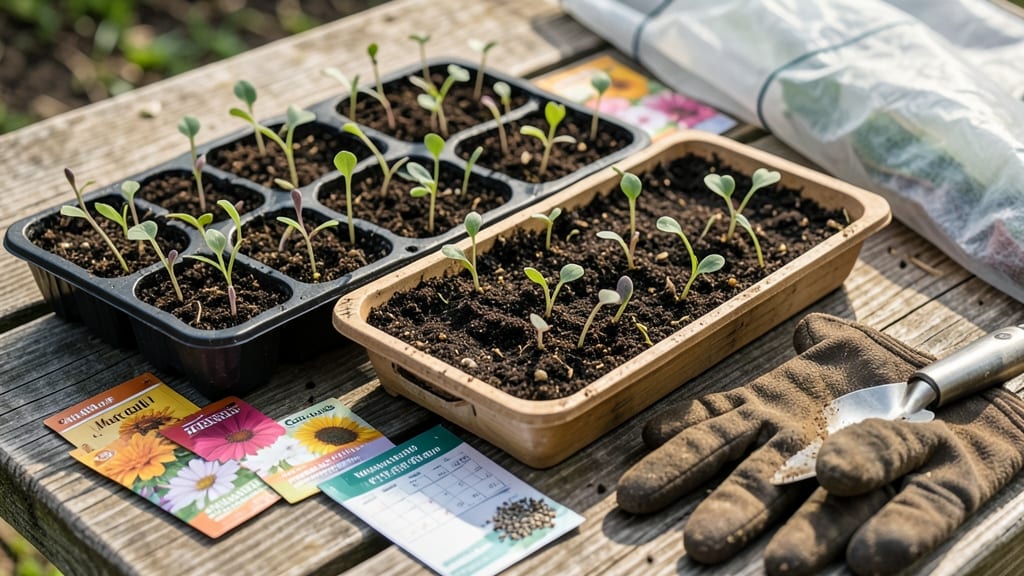
Planting flower seeds 🌸 in Wisconsin isn’t just about throwing seeds into the dirt—it’s about timing them perfectly to beat the frost and unlock a garden bursting with color.
Whether you’re in the chilly 4b zones of northern Wisconsin or the slightly milder 5b areas of the south, getting those seeds in the ground at the right moment makes all the difference between a thriving garden and a sad, frost-killed disappointment.
I’ve learned the hard way that rushing too early or waiting too long can leave your flower seeds struggling, especially with Wisconsin’s unpredictable spring weather.
The key is understanding your last frost dates—typically between April 15 and May 10, depending on where you live—and matching them with the right varieties for your region. Cool-season flowers like pansies can handle early planting, while warm-season favorites like marigolds need to wait until the soil warms up.
In this guide, I’ll break down exactly when to plant your flower seeds for maximum blooms, from early spring starts to fall plantings that extend your season.
You’ll discover how to use row covers and cold frames to push your growing window even further, plus the best flowers for Wisconsin’s climate—so you can enjoy vibrant blooms from June through September (and beyond for perennials!).
Ready to transform your garden? Let’s dive into the frost-free secrets that’ll help you time your plantings like a pro—no guesswork required.
Wisconsin frost dates & planting zones for flower seeds
Wisconsin’s USDA hardiness zones range from 4b in the north to 5b in the south, creating distinct last frost dates that determine when you can safely plant flower seeds outdoors.
Northern Wisconsin typically sees its last frost around May 10, while southern regions can start planting as early as April 15. These dates mark the critical window for sowing warm-season flowers like marigolds and zinnias.
Understanding your microclimate is key—valleys and low-lying areas often experience frost 1-2 weeks later than hilltops. For example, Milwaukee (Zone 5a) has an average last frost of April 28, while Duluth (Zone 4a) waits until May 15.
Always check your local Almanac frost calendar or use a frost-free date calculator for precision.
For cool-season flowers like pansies and snapdragons, you can start seeds indoors 6-8 weeks before your last frost date. These hardy varieties tolerate light frosts and can even bloom in fall or early spring.
In contrast, tender annuals like petunias and geraniums must wait until after all danger of frost has passed.
Here’s how Wisconsin’s regional differences affect your planting schedule:
| Region | USDA Zone | Last Frost Date | First Frost Date |
|---|---|---|---|
| Northern WI (e.g., Superior, Green Bay) | 4a-4b | May 10–15 | October 10–15 |
| Central WI (e.g., Madison, Wausau) | 4b-5a | May 1–10 | October 15–20 |
| Southern WI (e.g., Milwaukee, Racine) | 5a-5b | April 15–28 | October 25–November 1 |
🌡️ Pro Tip: Use a soil thermometer—most flower seeds need soil temps of 50°F (10°C) or warmer to germinate.
Perennials like coneflowers and black-eyed Susans can handle Wisconsin’s winters and are often planted in early spring or fall. However, their seeds require stratification (a cold period) to break dormancy.
For these, sow seeds in late summer or early fall so they experience natural winter chilling before germinating in spring.
If you’re unsure about your exact frost dates, use row covers or cold frames to protect early plantings. These tools can extend your growing season by 2-4 weeks, allowing you to plant warm-season flowers like tomatoes or peppers earlier.
Just remember to remove covers during the day to prevent overheating.
For container gardening, which is common in urban areas, start seeds 4-6 weeks before your last frost date. Containers warm up faster than garden beds, so they can be planted 1-2 weeks earlier than in-ground flowers. Choose fast-growing varieties like bachelor’s buttons or alyssum to maximize your bloom time.
Always monitor weather forecasts in late spring—unexpected late frosts can still occur. If frost is predicted, cover tender seedlings with frost cloth or blankets and avoid watering the day before, as moist soil conducts cold better. With the right timing, you’ll enjoy continuous blooms from early summer through fall.
Wisconsin’s short growing season means every day counts. By aligning your planting schedule with your local frost dates and hardiness zone, you’ll give your flower seeds the best chance to thrive.
Start with cool-season flowers in early spring, then transition to warm-season varieties after the last frost for a garden that stays vibrant all season long.
Best flower seed planting timeline by variety type
Wisconsin’s short growing season demands strategic timing for flower seeds. Cool-season flowers like pansies and snapdragons thrive when planted 4-6 weeks before the last frost, while warm-season favorites such as marigolds and petunias need to wait until soil warms to 50°F (10°C).
I’ll break down the ideal planting windows for both types to maximize your blooms.
For cool-season flowers, start seeds indoors in March or sow directly in late March to early April. These hardy varieties can handle light frosts and even bloom in late spring. Examples include pansies, violas, and sweet alyssum, which tolerate Wisconsin’s USDA Zones 4b-5b beautifully.
Pansies, Snapdragons, Calendula, Sweet Alyssum
Sow indoors 4-6 weeks before last frost or direct-sow after frost risk passes.
Marigolds, Petunias, Zinnias, Sunflowers
Wait until soil reaches 50°F (10°C) and all frost risk has passed.
Cosmos, Bachelor’s Buttons, Stock
Sow 8-10 weeks before first frost for late-season blooms.
If you’re eager to jumpstart your garden, start warm-season seeds indoors in late February to early March. This gives delicate varieties like petunias and geraniums a head start before transplanting outdoors after the last frost date.
I’ve found that 4-6 week indoor starts work best for Wisconsin’s climate.
For perennial flowers, timing matters less, but sowing in late spring or early summer ensures they establish strong roots before winter. Coneflowers, black-eyed Susans, and bee balm are excellent choices that reward patience with years of blooms. Always water deeply after planting to help roots settle.
Don’t forget about fall planting! Seeds like cosmos and bachelor’s buttons sown in August or early September often produce stunning blooms before the first frost. This strategy gives you a second wave of color when many gardens are winding down.
Finally, keep a gardening journal to track your planting dates and success. Wisconsin’s weather can be unpredictable, so note any adjustments you make each year. With the right timing, you’ll enjoy continuous blooms from spring to frost!