
Plants
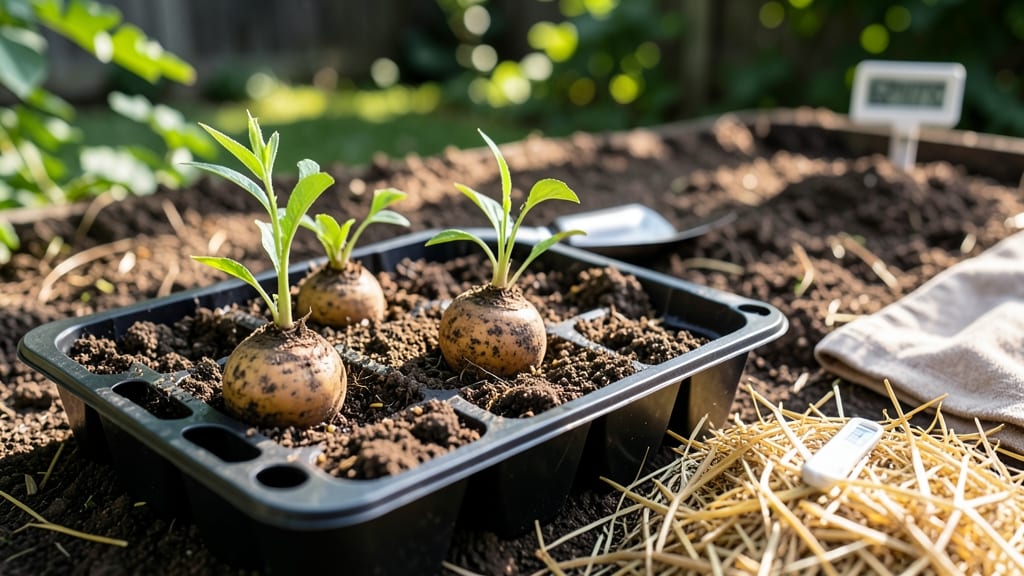
To plant dahlias in Washington State without risking frost damage, timing is everything—especially when your 🌸 dahlias need 150-200 frost-free days to reach their full glory.
Whether you're in Seattle's milder coastal zone or Spokane's cooler inland climate, getting the window right means the difference between vibrant summer blooms and wasted tubers.
Most of Washington State falls in USDA Zones 6b-8a, where the last frost typically arrives between mid-April and early June. Planting too soon in colder zones like Zone 5 risks frost kill, while waiting too long in Zone 8 might delay blooms until late summer.
The key? Start tubers indoors in early April, then transplant after soil warms to 60°F—usually by late May.
I’ve grown dahlias in Washington for years, and the best window for planting tubers outdoors is mid-May to early June, once nighttime temperatures stay above 55°F. This ensures your dahlias have enough time to establish roots before summer’s peak heat.
Plus, I’ll share my top tips for soil prep, staking, and watering to keep your plants thriving all season.
Ready to skip the guesswork? Let’s break down the exact planting timeline for your zone, plus the critical mistakes to avoid—so you can enjoy those showstopping blooms from July through frost.
Washington State dahlias planting timeline by hardiness Zone (5-8)
Washington’s diverse climate means your dahlia planting window depends on whether you’re in Zone 5 (highlands) or Zone 8 (lowlands). Most gardeners in Seattle, Spokane, or Yakima fall in Zones 6b-7a, with last frost dates ranging from late April to early May.
For Walla Walla (Zone 7b), you can plant as early as mid-April, while Mount Rainier’s higher elevations (Zone 5) may wait until mid-May.
Dahlias thrive when soil temperatures hit 60°F (15°C)—use a soil thermometer to confirm.
In cool, wet springs (common in western WA), wait until nighttime lows stay above 45°F (7°C) to avoid tuber rot. Eastern WA’s drier climate often allows earlier planting, but always check your local USDA frost map for precision.
Here’s your zone-by-zone planting timeline, including tuber prep and key cities:
| Zone | Last Frost Avg. | Planting Window | Soil Temp Goal | Key Cities |
|---|---|---|---|---|
| 5 (Highlands) | Late May | Mid-May to early June | 60°F+ (15°C) | Mount Rainier, Leavenworth |
| 6b (Western WA) | Early May | Late April to mid-May | 55°F+ (13°C) | Seattle, Olympia, Bellingham |
| 7a (Eastern WA) | Mid-April | Early to mid-April | 50°F+ (10°C) | Spokane, Wenatchee, Yakima |
| 7b (Low Desert) | Late March | Mid-March to early April | 45°F+ (7°C) | Walla Walla, Pullman |
| 8a (South WA) | Early March | Late February to March | 50°F+ (10°C) | Vancouver, Tri-Cities |
Pro tip: Pre-chit tubers indoors 4-6 weeks before planting. Place them in potting mix at 65°F (18°C) in a bright window—this jumpstarts growth and gives you a 2-week head start on the season. Just avoid letting them sprout too early (over 6 inches) or they’ll struggle to adapt outdoors.
For container gardening, plant tubers in 5-gallon pots with drainage holes. These warm up faster than in-ground soil, so you can plant 2-3 weeks earlier than your zone’s timeline. Just move pots to full sun once soil warms to 55°F (13°C) to prevent shock.
After planting, mulch heavily with straw or shredded leaves to retain heat and moisture. In Zone 5-6, add a cloche or row cover for the first 2 weeks to protect young shoots from late frosts. Remove covers by early June to avoid overheating.
Remember: Dahlias need 90-120 days to bloom. Planting too late in Zone 7-8 risks fall frosts cutting blooms short. Aim for June 1st as your last planting deadline—any later, and you’ll miss peak summer color.
🌸
Best dahlias for Washington’s climate: early vs late bloomers
Washington’s short growing season demands dahlias that bloom early or stretch late into fall. I’ve tested dozens of varieties here, and the best performers fall into two categories: early bloomers (for Zone 5-6) and late-season stalwarts (for Zones 7-8).
Early varieties like ‘Café au Lait’ push blooms by July, while late bloomers like ‘David Howard’ keep flowering until hard frost. Your zone dictates which to prioritize.
For Zone 5-6 gardeners (e.g., Spokane, Wenatchee), focus on cold-tolerant early bloomers. These varieties handle cooler soils and shorter seasons better. Plant them 2-3 weeks earlier than standard dahlias to compensate for slower growth.
In Zone 7-8 (Seattle, Yakima), you can afford late bloomers that thrive in summer’s heat but need extended sunlight to push blooms.
Here’s how to match varieties to your zone and bloom goals:
| Variety | Bloom Time | Height | Zone Fit | Planting Tip |
|---|---|---|---|---|
| ‘Café au Lait’ | Early July | 3-4 ft | 5-7 | Plant tubers early (late April) in Zone 5 |
| ‘Happy Single’ | Late June | 2-3 ft | 6-8 | Ideal for containers in cooler zones |
| ‘David Howard’ | Late August | 5-6 ft | 7-8 | Stake early—needs support for heavy blooms |
| ‘Karma Choc’ | Mid-September | 4-5 ft | 6-8 | Deadhead aggressively to extend blooms |
Pro tip: In Zone 6-7, mix early and late varieties for nonstop color. For example, pair ‘Café au Lait’ (early) with ‘Karma Choc’ (late) to ensure blooms from July through October.
I’ve also found that dwarf varieties like ‘Mignon’ series work well in highland zones (Zone 5), where summers are shorter.
Adjust planting dates by 1-2 weeks based on your microclimate. Coastal areas (e.g., Olympia, Bellingham) can plant 1 week earlier than inland zones due to milder nights. Always check your local frost dates—the WA State University Extension provides updated averages annually.
Finally, prioritize disease-resistant varieties like ‘Bishop’ or ‘Thomas Edison’ to combat Washington’s humid summers. These stay healthier with less fungicide and produce more blooms. Start with 2-3 tubers per variety to test what