
Plants
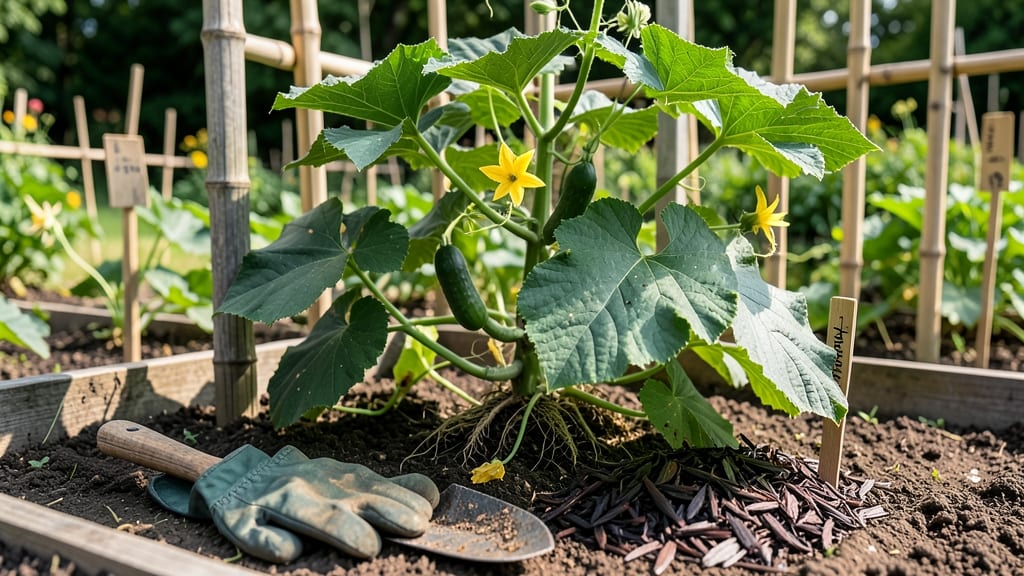
Planting cucumbers at the wrong time in New York can mean the difference between a thriving 🥒 harvest and a sad, wilted vine. Since the state’s last frost typically hits around mid-May, timing is everything—especially when you’re dealing with 6a zone unpredictability.
If you’ve ever rushed to plant cucumbers only to watch them shrivel in a late frost, you know how frustrating it can be. The key is waiting until the soil warms to at least 60°F and all frost risks have passed.
But here’s the thing: even with perfect timing, not all cucumber varieties thrive equally in New York’s climate.
In this guide, I’ll break down the exact planting windows for your specific zone, whether you’re in Upstate, the Hudson Valley, or NYC. You’ll also discover which cucumber varieties are best suited for your area—and how to extend your growing season for a longer harvest.
Ready to turn your garden into a crisp, juicy cucumber oasis? Let’s get started with the frost-free deadlines you need to know.
New York cucumber planting deadlines by hardiness Zone (5-7)
New York's diverse climate—from the Adirondacks to Long Island—means your cucumber planting timing should match your USDA Zone. In Zone 5 (Upstate), last frosts often linger into mid-May, while Zone 7 (NYC/Long Island) typically warms up by early April.
These differences can shift your planting window by 4–6 weeks, making local data critical.
Cucumbers are warm-season crops that cannot tolerate frost. Even a light freeze will kill seedlings, so waiting for soil temperatures to hit 60°F (15°C) is non-negotiable.
In my Zone 6a garden in Rochester, I’ve learned the hard way that planting too early—even with row covers—leads to stunted growth and disease susceptibility.
For a continuous harvest, New York gardeners often plant two batches: one right after the last frost and a second in late June for a fall crop.
This strategy works because cucumbers mature in 50–75 days, giving you time for two full harvests before the first frost in October.
Here’s a quick breakdown of frost-free deadlines by region to help you plan:
| Region | USDA Zone | Last Frost Date | Safe Planting Window | First Frost Risk |
|---|---|---|---|---|
| Upstate (Albany, Syracuse) | Zone 5 | Mid-May (May 10–20) | May 25 – June 10 | Early October |
| Central NY (Rochester, Ithaca) | Zone 6a | Early May (May 1–10) | May 15 – June 5 | Mid-October |
| Long Island, NYC | Zone 7 | Early April (April 1–15) | April 20 – May 10 | Late October |
| Western NY (Buffalo, Niagara) | Zone 6b | Late April (April 20–30) | May 5 – May 20 | Early October |
If you’re in Zone 5 or 6a, consider starting seeds indoors 3–4 weeks before your last frost date. This gives seedlings a head start, but be ready to harden them off and transplant quickly after the frost-free window opens. I’ve had success with biodegradable pots to avoid root disturbance.
For Long Island and NYC gardeners, you can push the envelope with early April plantings if you use row covers or a cold frame. However, cucumbers still need consistent warmth, so don’t rush—wait for stable daytime temps above 70°F (21°C) for best results.
One mistake I’ve seen new gardeners make is planting cucumbers too late in the season. If you miss the June window, your second planting may not mature before the first frost.
To avoid this, calculate your harvest timeline backward: subtract 75 days (the longest cucumber maturity time) from your first frost date to find your latest safe planting date.
For example, in Zone 6a, with a first frost around October 15, your last planting should be by July 20. This gives you a 75-day window to harvest before cold sets in. Use this method to adjust your schedule based on your local frost dates.
Finally, don’t overlook microclimates. A south-facing wall or greenhouse can extend your season by 2–4 weeks, while low-lying areas may experience later frosts. Always scout your garden for these variations before finalizing your planting calendar.
Best cucumber varieties for New York gardens & their planting times
Choosing the right cucumber varieties for your New York garden is key to avoiding disappointment—especially when dealing with the state's unpredictable spring weather. Some varieties thrive in cooler conditions, while others demand heat to produce their best fruit.
Let me walk you through the top performers and their ideal planting windows for USDA Zones 5-7.
For Upstate New York (Zones 5-6), focus on varieties that tolerate cooler soils and occasional late frosts. In Long Island and NYC (Zone 7), you can push the envelope with heat-loving types. The secret? Matching your variety to your last frost date and microclimate.
Bush varieties like 'Bush Champion' are perfect for small spaces or containers, while vining types such as 'Straight Eight' need trellises but produce more fruit. Disease resistance is also critical—look for varieties labeled powdery mildew-resistant or downy mildew-resistant to combat New York's humid summers.
Here’s how maturity timelines affect your planting schedule: 50-day varieties can be sown as soon as soil warms to 60°F (around mid-May), while 70+ day varieties need to go in by early June to finish before fall frosts. Let’s break down the best options for your region.
| Variety | Type | Days to Maturity | Best Planting Time | Notes |
|---|---|---|---|---|
| Bush Champion | Bush | 55 days | Mid-May to early June | Compact, great for containers, disease-resistant |
| Straight Eight | Vining | 60 days | Early June | Classic slicing cucumber, needs trellis |
| Marketmore 76 | Vining | 65 days | Late May to early June | Heat-tolerant, great for pickling |
| Armenian | Vining | 70 days | Early June | Long, snackable cucumbers, cold-hardy |
| Sweet Success | Bush | 58 days | Mid-May to early June | Sweet flavor, disease-resistant |
If you're in Zone 7 (Long Island/NYC), you can experiment with late-summer varieties like 'Diva' (a parthenocarpic type that sets fruit without pollination) for a fall harvest. These should be sown in early July for a late-season bounty.
Pro tip: For succession planting, sow fast-maturing varieties like 'Bush Champion' every 2 weeks from mid-May through June. This ensures a