
Plants
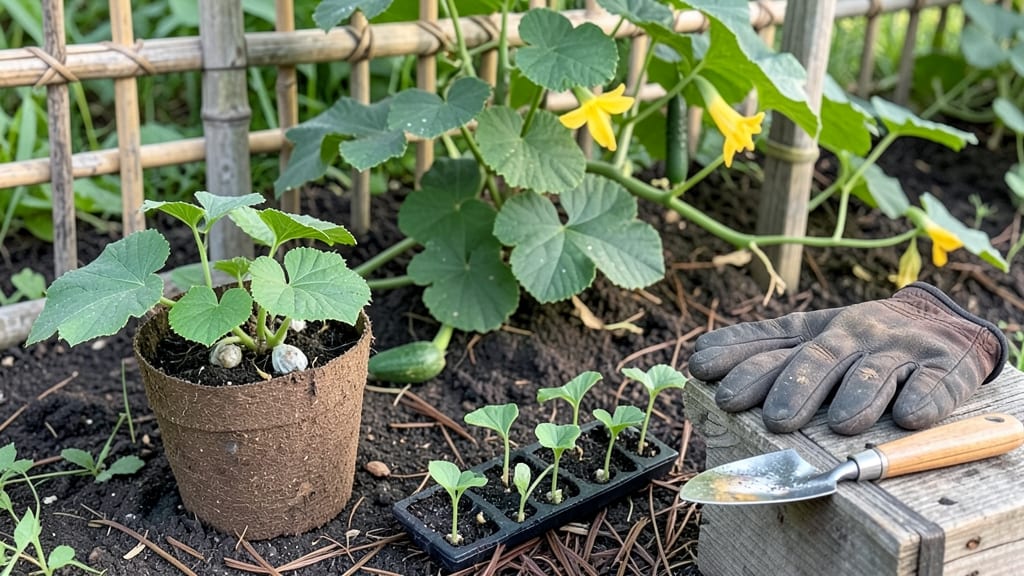
Planting cucumbers in Australia at the wrong time could leave you with wilted vines and no harvest—especially when tropical Queensland and temperate Victoria have completely different rules. The key to success lies in understanding your local climate zone and soil temperatures, because cucumbers (🥒) need warmth to thrive.
If you’ve ever wondered why your neighbor’s cucumbers flourish while yours struggle, it’s likely timing. The right planting window means the difference between a bountiful harvest and a disappointing crop.
Whether you’re in the heat of the Northern Territory or the cooler regions of Victoria, knowing when to plant is the first step to garden success.
In this guide, I’ll break down the best months to plant cucumbers across Australia’s diverse regions—from tropical to temperate zones—so you can avoid frost risks and maximize your yield. Plus, I’ll share pro tips for soil prep and post-planting care that actually work.
Ready to grow cucumbers like a pro? Let’s dive into the climate-smart planting schedule that will set you up for a thriving garden all season long.
Best cucumber planting months by australian climate zone
Australia’s vast climate zones—from tropical Queensland to temperate Victoria—create wildly different cucumber planting windows. Unlike cooler climates where frosts delay planting, northern regions risk heat stress if sown too early.
The golden rule? Plant when soil hits 15°C (60°F) and daytime temps stay above 20°C (68°F). This ensures rapid germination and vigorous growth.
For tropical zones like Northern Queensland, cucumbers thrive year-round with minimal frost risk, but summer planting (Dec-Feb) avoids extreme heat. In subtropical areas (e.g., Brisbane), aim for spring (Sep-Oct) or early autumn (Mar-Apr) to escape summer downpours.
Meanwhile, temperate regions (e.g., Sydney, Melbourne) need warm-season focus (Oct-Nov) to dodge frosts.
Here’s how to align your planting with Australia’s climate zones, including soil temp thresholds and pro tips to beat regional challenges:
| Climate Zone | Best Planting Months | Soil Temperature Requirement (°C) | Key Risks to Avoid | Pro Tip for Success |
|---|---|---|---|---|
| Tropical (QLD North Coast) | Year-round (peak: Sep-Feb) | 18–30°C (64–86°F) | Heat stress, fungal diseases | Use shade cloth in summer; choose heat-tolerant varieties like ‘Suyo Long’. |
| Subtropical (Brisbane, Gold Coast) | Sep-Oct or Mar-Apr | 15–25°C (59–77°F) | Late frosts, waterlogging | Raise beds for drainage; mulch to retain moisture. |
| Temperate (Sydney, Melbourne) | Oct-Nov (direct sow) or Sep (seedlings) | 15–22°C (59–72°F) | Frost damage, slow growth | Use row covers for early planting; opt for bush varieties like ‘Marketer’. |
| Arid (Adelaide, Perth) | Sep-Oct or Feb-Mar | 16–24°C (61–75°F) | Drought stress, poor germination | Drip irrigation essential; plant near trellises to save water. |
| Alpine (Canberra, Hobart) | Nov-Dec (short season) | 15–20°C (59–68°F) | Early frosts, stunted growth | Start seedlings indoors in Oct; use greenhouses. |
Notice how temperate zones like Melbourne have a tight window (Oct-Nov) to avoid frost, while tropical Queensland can plant almost year-round? The key is soil temperature: cucumbers won’t germinate below 15°C, even if air temps are warm.
Use a soil thermometer to check—plant only when the top 5cm (2") of soil hits that threshold.
Another critical factor? Day length. Cucumbers thrive on 12+ hours of daylight, so spring planting (Sep-Oct) in southern Australia aligns perfectly with increasing daylight.
In contrast, summer planting (Dec-Feb) in the north risks blossom drop from extreme heat. Stagger plantings every 2 weeks to extend harvests—this works in all zones!
For urban gardeners in cities like Brisbane or Perth, container growing lets you adjust timing. Use black plastic mulch to warm soil faster, or place pots on heat-absorbing surfaces like dark-colored concrete. Just ensure pots have drainage holes to prevent root rot—a common issue in waterlogged soils.
Pro tip: If your local forecast predicts unseasonal cold snaps, delay planting by 2–4 weeks or use frost blankets for young seedlings. In arid zones, water deeply before planting to kickstart root growth—cucumbers hate dry starts.
Always pair planting with a trellis to save space and improve air circulation, reducing disease risk.
🌱
How to adjust planting for unpredictable australian weather
Australia’s weather can be as unpredictable as a kangaroo’s hop—one minute it’s scorching, the next, a sudden frost sneaks in. That’s why flexible planting strategies are your secret weapon. I’ve grown cucumbers in three different states, and trust me, adapting to Mother Nature’s whims makes all the difference.
Start by checking your local frost dates—they’re your planting guardrails. In cool climates like Tasmania, late frosts can linger until mid-October, while tropical Northern Queensland rarely sees frost at all. Use the Bureau of Meteorology’s historical data to plan around these risks.
Here’s the golden rule: Wait until soil reaches 15°C (60°F) before planting. Cold soil stunts growth, and cucumbers hate the cold. A simple soil thermometer (just $10 at garden centers) saves you from guessing.
If your soil’s too chilly, try black plastic mulch or a cold frame to warm it up faster.
Don’t forget heatwaves—they’re just as tricky. In Northern Australia, cucumbers can bolt (flower too fast) when temps hit 35°C (95°F). Provide afternoon shade with a 30% shade cloth or plant near trellises to lift vines off the hot ground.
I once lost a crop to sunscald because I ignored this!
For unreliable rainfall, set up a drip irrigation system on a timer. Cucumbers need 1-2 inches of water weekly, but drought stress turns fruit bitter. Mulch with straw or wood chips to retain moisture and keep roots cool.
Pro tip: Water in the morning to prevent fungal diseases like powdery mildew—a common issue in humid subtropical zones.
If all else fails, container gardening is your backup plan. Grow cucumbers in 15-gallon pots with well-draining mix and move them to shadier spots during heatwaves. I’ve grown ‘Straight Eight’ cucumbers this way in Melbourne’s unpredictable summers with great success!