
Plants
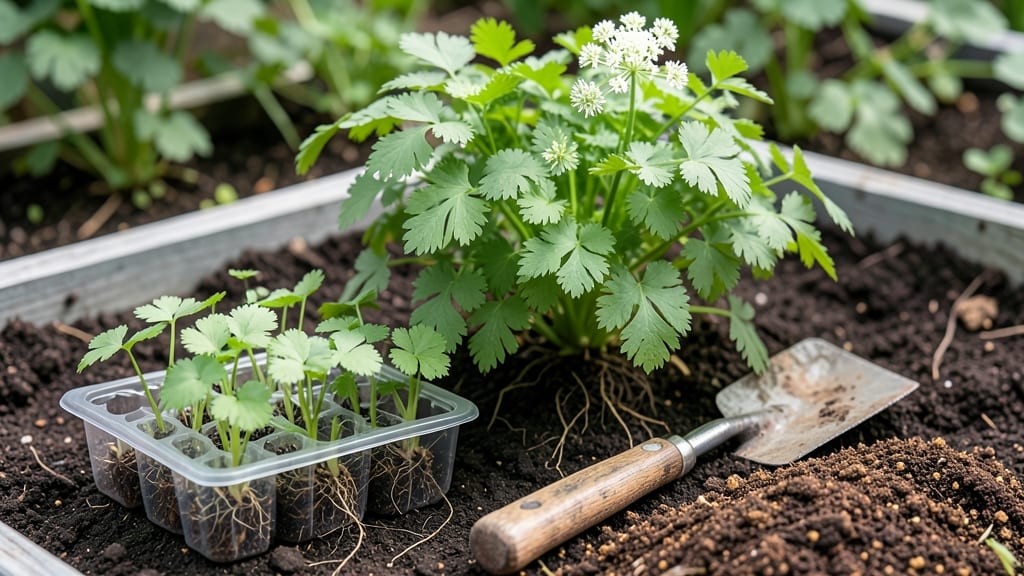
Planting cilantro in Oregon at the wrong time can turn your fresh herb dreams into bitter disappointment—especially when coastal fog meets high-desert heat. The key to success lies in timing it perfectly between March-April for spring and August-September for fall, avoiding the 7b-9a zone’s unpredictable frost risks.
Whether you're growing 🌱 cilantro in Portland’s mild climate or Bend’s cooler evenings, knowing your microclimate’s last frost date (as early as April 15 near the coast) makes all the difference.
Most gardeners in Oregon struggle with cilantro bolting too quickly or turning bitter before harvest—usually because they planted it too late in spring or too early in fall. The solution? Start seeds indoors 4-6 weeks before your target outdoor date, or direct-sow when soil temps hit 40°F.
For coastal areas, this means early March; inland zones like the Willamette Valley can wait until April. Fall plantings should happen by mid-August to ensure a harvest before the first frost.
Here’s what you’ll discover: the exact frost-free deadlines for Oregon’s five growing zones, how to extend your cilantro’s season with shade cloth or row covers, and why soil prep matters more than you think.
With these season-specific strategies, you’ll avoid the most common mistakes—like overwatering in rainy seasons or planting in full summer heat—and enjoy fresh cilantro from May through November.
Ready to transform your garden? Let’s dive into the region-specific planting windows that’ll give you crisp, flavorful cilantro all season long—no bitter surprises included.
Oregon’s cilantro planting zones: frost-free deadlines by region
Oregon’s five distinct microclimates create wildly different growing conditions for cilantro. Coastal areas like Astoria and Seaside stay cool year-round, while inland spots like Bend and Redmond experience hot summers and cold winters.
Even the Willamette Valley—Oregon’s breadbasket—has unique frost patterns that affect cilantro timing. To avoid bolting or bitter flavors, align your planting with local frost dates and soil temperatures.
Cilantro thrives in cool weather (ideal soil temps: 50–75°F) but wilts in summer heat. In Oregon, this means two prime planting windows: early spring (March–April) and late summer/fall (August–September). However, your exact timing depends on whether you’re in USDA Zone 7b (coastal) or Zone 9a (southern Oregon).
Let’s break it down by region to ensure your cilantro stays fresh and flavorful.
🌱 Pro Tip: Use row covers to extend your growing season by 2–4 weeks in both spring and fall. This is especially useful in high-desert areas where nights stay chilly long after daytime warmth arrives.
| Region | USDA Zone | Last Frost Date | First Frost Date | Spring Planting Window | Fall Planting Window |
|---|---|---|---|---|---|
| Coastal (Astoria, Seaside) | 7b–8a | March 1–15 | October 30–November 10 | February 15–April 15 | August 1–September 15 |
| Willamette Valley (Portland, Salem) | 7b–8b | April 1–15 | October 15–30 | March 1–April 30 | July 15–September 1 |
| Cascade Foothills (Hood River, McMinnville) | 6b–7a | April 15–May 1 | October 1–15 | April 1–May 15 | July 1–August 15 |
| High Desert (Bend, Redmond) | 6a–7a | May 1–15 | September 15–30 | May 1–June 15 | June 15–July 30 |
| Southern Oregon (Medford, Ashland) | 8a–9a | March 15–April 1 | November 1–15 | February 15–April 15 | August 15–October 1 |
If you’re in the Willamette Valley, aim to plant cilantro by April 15 for a spring harvest. The valley’s rich, fertile soil is perfect for cilantro, but clay-heavy areas (like parts of Salem) need amending with compost to improve drainage.
In coastal Oregon, you can start as early as mid-February thanks to milder winters, but avoid planting too soon—cold soil below 45°F can stunt germination.
For high-desert gardeners, cilantro’s cool-season love makes summer planting tricky. Start seeds indoors in late May and transplant after the June solstice when nights cool down. Use shade cloth (30–50%) to protect plants from intense afternoon sun, which accelerates bolting.
In southern Oregon, extend your fall season by planting Calypso cilantro varieties, which are more heat-tolerant than standard types.
One common mistake? Planting cilantro in mid-summer without shade. Even in Zone 9a, temperatures above 80°F will turn your cilantro bitter and woody within days. Instead, opt for succession planting in late August to ensure a fresh harvest before the first frost.
For example, in Medford, plant every 2 weeks from August 15 to September 15 for a staggered harvest through November.
To test your soil’s readiness, stick your finger 1 inch deep—if it’s cool but not freezing, it’s time to plant. In cooler zones (7b and below), wait until soil temps reach 50°F to avoid rot-prone seeds.
Use a soil thermometer for accuracy, especially in spring when mornings are chilly but afternoons warm up.
For overwintering cilantro (a trick that works in coastal and Willamette Valley gardenslate September and protect with row covers or straw mulch. Harvest lightly through winter, and you’ll have fresh cilantro ready by early spring
Oregon’s unpredictable weather—from sudden heatwaves to early frosts—can turn cilantro from fresh to bitter overnight. The key to success? Extending its growing season with smart techniques. Whether you’re in coastal Portland or high-desert Bend, these methods will keep your cilantro thriving longer and prevent premature bolting. First, shade cloth is your best friend during Oregon’s summer heat. When temperatures rise above 75°F, cilantro bolts faster than a weed in a sidewalk crack. A 30-50% shade cloth reduces stress and keeps leaves tender. I’ve seen cilantro last 2-3 weeks longer in my Willamette Valley garden just by throwing up a shade cover at noon. Row covers are another game-changer for fall and spring protection. Lightweight fabric shields young plants from late frosts (common in April) and early chills (hitting by October in inland areas). Pro tip: Use floating row covers to avoid trapping heat—cilantro hates being sweaty. ✅ Eco-friendly, improves soil ⚠️ Faster results, potential soil/residue concerns For succession planting, I swear by the “every 2-week rule”. Start your first batch in early March (coastal) or mid-April (inland), then repeat every 14 days until late August. This ensures a continuous harvest—no more scrambling for fresh cilantro when your salsa recipe calls for it. Don’t overlook companion planting! Pair cilantro with basil to repel pests and dill to attract beneficial insects. In my high-desert garden, this combo cut my aphid problems by 70%. Plus, basil’s shade helps cilantro stay cooler in afternoon sun. Finally, mulching is a low-effort way to regulate soil temperature. A 2-inch layer of straw keeps roots cool in summer and insulated in winter. I’ve even seen cilantro overwinter in protected beds along Oregon’s coast—just add a thick mulch and a lightweight row cover before December. With these tricks, you can harvest cilantro year-round in Oregon—even in tricky microclimates. The secret? Adaptability. Watch your local frost dates, adjust shade as seasons shift, and always have a backup batch ready to sow. Your taste buds (and salsa) will thank you! 🌿How to extend cilantro’s growing season in Oregon’s unpredictable climate
Extending Cilantro’s Season: Organic vs. Synthetic Solutions
🌱 Organic Methods
🧪 Synthetic Solutions