
Plants
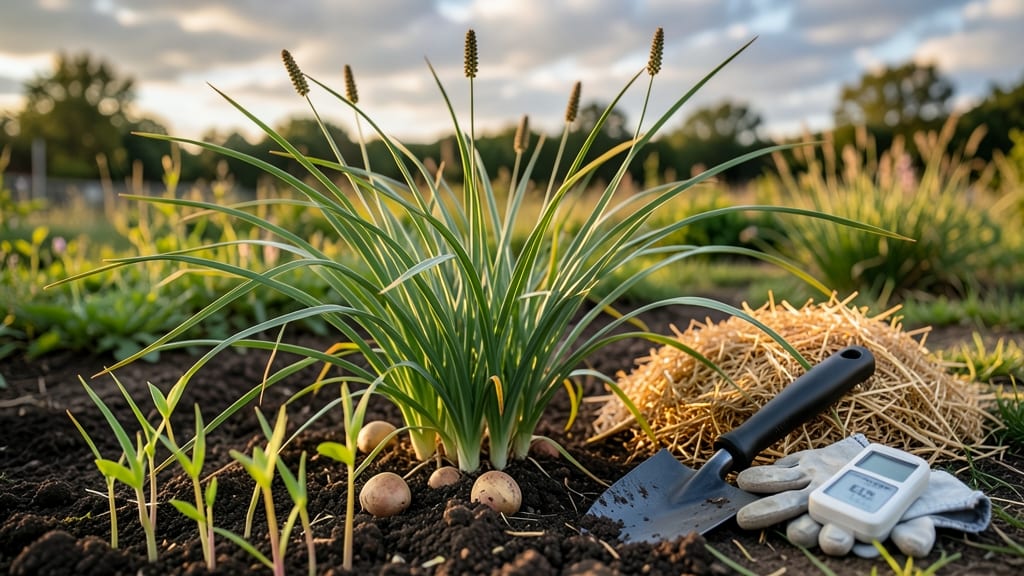
Want to know when to plant chufa in Alabama but struggling to figure out the perfect timing? Planting too early risks frost damage, while waiting too long could mean missing your harvest window entirely. This nutritious tuber thrives in Alabama’s 7a-8b zones when given the right conditions.
Most gardeners in Alabama plant 🌾 chufa between late April and early May, once soil temperatures hit 65°F consistently. This timing aligns with the last frost date (mid-March) and gives tubers enough time to mature before Alabama’s first frost in mid-November.
In this guide, I’ll break down the exact soil temperature thresholds, frost-free window calculations, and regional differences between North and South Alabama. You’ll also learn how to adjust for late frosts and extend your growing season for a better yield.
Whether you’re a first-time gardener or a seasoned pro, these insights will help you plant chufa at the ideal time for maximum success in your Alabama garden.
Best planting months for chufa in Alabama based on soil temperature
Alabama’s warm climate creates a perfect window for growing chufa (Cyperus esculentus), but timing is critical. The ideal planting months are April through early May, when soil temperatures consistently reach 65–75°F.
This range ensures seeds germinate quickly without risking frost damage—a common issue in North Alabama zones like 7a.
Southern Alabama (zones 7b–8b) can start slightly earlier, around mid-March, but always verify soil warmth. Cold soil delays germination and invites rot. Use a soil thermometer to confirm readiness—65°F is your minimum threshold for success.
Chufa thrives in well-draining sandy loam, so test your soil’s moisture retention. Alabama’s clay-heavy soils? Amend with compost or perlite to improve drainage. Poor drainage = failed harvests. Aim for 60% sand content for optimal tuber development.
Here’s how Alabama’s regional microclimates affect planting:
| Region | Best Planting Window | Soil Temp Requirement | Key Consideration |
|---|---|---|---|
| North AL (7a) | Late April–Early May | 65–75°F | Late frosts possible; use row covers |
| Central AL (7b) | Mid-April–Late April | 65–75°F | Moderate frost risk; monitor forecasts |
| South AL (8a–8b) | Mid-March–Early April | 60–70°F | Warmer soils; ideal for early starts |
Pro tip: If your soil isn’t warm enough by May, consider container growing with black plastic mulch. This raises soil temps by 5–10°F faster than bare ground. Place containers in full sun and monitor daily—chufa seeds won’t germinate below 60°F.
For North Alabama gardeners, late April is your safest bet. Use frost cloth if nights dip below 40°F—chufa seedlings are frost-sensitive. In South Alabama, you can push to early March, but watch for unpredictable rain, which can waterlog seeds.
Remember: Chufa takes 120–150 days to mature. Planting in May ensures harvests by September–October, avoiding Alabama’s early fall frosts. Miss this window, and your tubers may not fully develop before first frost.
Always test your soil’s pH (ideal: 6.0–7.0) and amend if needed. Alabama’s acidic soils in some areas can stunt growth. A simple lime application (if pH < 6.0) works wonders for chufa.
Finally, direct-sow seeds—chufa hates transplanting. Space them 6 inches apart in rows 18 inches apart for easy harvesting. With the right timing and prep, you’ll enjoy a bumper crop of nutritious tiger nuts!
Best planting months for chufa in Alabama based on soil temperature
Alabama’s USDA zones 7a–8b create a perfect window for growing 🌾 chufa, but timing depends on soil warmth. Most gardeners in North Alabama (like Huntsville) should wait until late April, while South Alabama (like Mobile) can start as early as mid-March.
The key is waiting for soil temperatures to reach 65–75°F at a depth of 2 inches.
Chufa seeds germinate poorly in cold soil, so using a soil thermometer is my top recommendation. If your soil hasn’t warmed enough by May, consider using black plastic mulch to speed up the process.
This method raises soil temps by 5–10°F in just a few days, giving you a head start on the season.
| Region | Ideal Planting Window | Soil Temp Requirement | Key Consideration |
|---|---|---|---|
| North Alabama (7a) | Late April–Early May | 65–70°F | Higher frost risk; use row covers |
| Central Alabama (7b) | Mid-April–Late May | 68–72°F | Balanced frost risk; monitor soil temps |
| South Alabama (8a–8b) | Mid-March–Early April | 70–75°F | Warmer microclimates; plant earlier |
For container growing, you can plant chufa as early as March in South Alabama, but ensure your pots are in a sunny, sheltered spot. Containers warm up faster than garden beds, giving you flexibility.
Just remember: chufa needs 6+ hours of full sun daily, so avoid shaded balconies or patios.
If you’re in a transition zone (like Birmingham), I recommend planting a test row in late April and another in early May. This hedge-your-bets approach accounts for unpredictable spring weather. Use a frost cloth for the first two weeks to protect young seedlings from late frosts.
Once planted, chufa tubers take 100–120 days to mature, so aim for a harvest in late August–October. In North Alabama, a late-May planting gives you just enough time before the first frost hits in mid-November. In South Alabama, an early April start ensures a full season.
Pro tip: Mark your last frost date on your calendar and count backward 120 days. This gives you the exact window to plant for a fall harvest. For example, if your first frost is November 15, plant by July 15 in South Alabama or August 15 in North Alabama.