
Plants
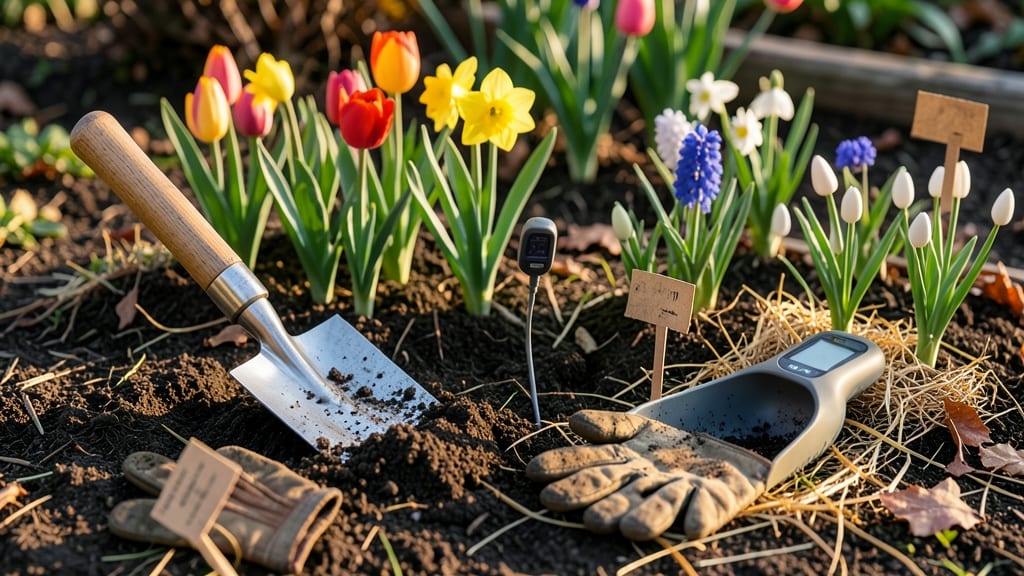
Planting bulbs in the fall is your secret weapon for a showstopping spring garden—but timing it wrong can leave you with nothing but disappointment. The key lies in understanding when soil temperatures drop and frost looms, especially in Zone 6a where I garden.
Too early, and your bulbs might rot; too late, and they won’t root in time to survive winter.
Most gardeners assume "fall" means anytime between September and November, but the truth is more precise. For 🌱 Bulbs (General), you’ve got a 6-8 week window before the ground freezes solid—typically by mid-November in my area.
That means if your first frost hits November 15, you should be planting by late September or early October. Miss this window, and you risk bulbs that never bloom or rot before spring.
Here’s what I’ve learned after years of trial and error: the ideal time is when soil temps consistently stay below 60°F but before the ground hardens. That’s when bulbs can root without waking up too soon.
I’ll show you exactly how to check your soil, adjust for early frost threats, and pick the best bulbs for your climate—so you’re not left digging holes in December.
Whether you’re a first-time gardener or a seasoned pro, getting this right makes all the difference. Let’s break down the exact steps to plant your bulbs at the perfect moment—so next spring, your garden bursts with color like clockwork.
Fall bulb planting timeline by US hardiness zones
Timing is the secret to successful fall bulb planting—get it right, and you’ll enjoy vibrant spring blooms. The key is planting 6-8 weeks before your first frost date, when soil temperatures drop to 60°F or below.
This window ensures bulbs establish roots before winter dormancy. In most regions, this translates to September through November, but exact timing varies by USDA Hardiness Zone.
For example, gardeners in Zone 3 (coldest climates) should plant as early as late August to early September, while those in Zone 10 (mild winters) can wait until November or even December.
Late fall planting risks bulbs sprouting too early, only to be killed by frost. Use your local frost date as your anchor point—count backward to determine the ideal window for your area.
Here’s how to adapt your planting schedule based on your zone and climate. The goal is to give bulbs enough time to root but avoid planting too early when soil is still warm.
For instance, in Zone 5-7, aim for mid-September to mid-October, while Zone 8-9 gardeners can plant through November.
🌱
| USDA Zone | Ideal Planting Window | Soil Temp Threshold | Notes |
|---|---|---|---|
| 3-4 | Late August - Early September | 50-60°F | Early frost risk; prioritize cold-hardy bulbs |
| 5-6 | Mid-September - Mid-October | 55-60°F | Classic tulip/daffodil zone; avoid late planting |
| 7-8 | October - November | 60-65°F | Warmer soil; extend window to late fall |
| 9-10 | November - December | 65-70°F | Mild winters; plant later but avoid wet soil |
If you’re unsure about your zone, check the USDA Plant Hardiness Zone Map or use a soil thermometer to confirm temperatures. Pro tip: In Zone 5-7, if your soil stays above 60°F into October, wait a few weeks before planting to avoid premature sprouting.
For Zone 9-10, focus on bulbs like rain lilies or caladiums, which thrive in warmer climates.
Regional adjustments matter too. For example, Pacific Northwest gardeners may plant earlier due to cooler, wetter soils, while Southern gardeners can extend planting into December. Always prioritize well-draining soil—bulbs rot in soggy conditions, even in cold climates.
Don’t stress if you miss the ideal window. Bulbs planted 4-6 weeks before frost can still succeed, though they may bloom later or less vigorously. Just ensure the ground isn’t frozen solid—frozen soil = failed planting. For late arrivals, consider container planting or mulching heavily to protect bulbs.
🌿
For container gardens, adjust timing slightly. Potted bulbs need 2-3 weeks less time to root before frost, so plant them 3-4 weeks before your zone’s deadline. Use a lightweight potting mix and place containers in a sheltered spot to prevent freezing.
This flexibility lets you extend your planting season in containers or raised beds.
Finally, mark your calendar now! Set reminders for your zone’s ideal planting window and prep your soil with compost or sand to improve drainage. The earlier you plan, the more time you’ll have to amend soil and choose the right bulbs for your garden’s conditions.
☀️
Critical soil temperature & frost deadlines for bulb success
Timing your fall bulb planting isn't just about the calendar—it's all about soil temperature and frost dates. Bulbs need 40-60°F soil to root before winter dormancy kicks in.
Plant too early, and they'll rot; too late, and frost will kill them. The 6-8 week rule before your first frost is your golden window.
Check your local frost dates using the USDA Plant Hardiness Zone Map. For example, Zone 5 gardeners should aim for mid-September planting, while Zone 8 can wait until November. Always plant 4-6 weeks before ground freezes—this gives bulbs time to establish roots but avoids winter exposure.
⚠️ Common Mistakes That Kill Bulbs
- Planting too early in warm soil (>60°F) causes rot
- Ignoring frost dates leads to frozen bulbs before rooting
- Skipping soil prep (no drainage = soggy bulbs)
- Overcrowding starves bulbs of nutrients
Pro Tip: Use a soil thermometer to confirm temps are below 60°F before planting.
If early frost threatens, mulch heavily with straw or leaves to insulate bulbs. For late fall planting (like Zone 9-10), focus on drought-tolerant varieties like rain lilies or winter aconite, which handle milder winters better.
Never plant bulbs when soil is waterlogged or frozen. Instead, wait for cool, dry days with 50-60°F soil. This balance ensures roots grow but bulbs don’t rot. A quick soil check with your finger—if it’s damp but not soggy, it’s planting-ready!
For container gardening, use well-draining pots and plant bulbs 6-8 weeks before your last frost. Move containers to a garage or cold frame if frost is imminent. This protects them while still allowing root growth.
Remember: Daffodils and hyacinths are the most frost-tolerant, while tulips need slightly warmer soil. Adjust your planting window based on the bulb type and your local microclimate—evergreen trees or south-facing walls can add 5-10°F of warmth to your garden.