
Plants
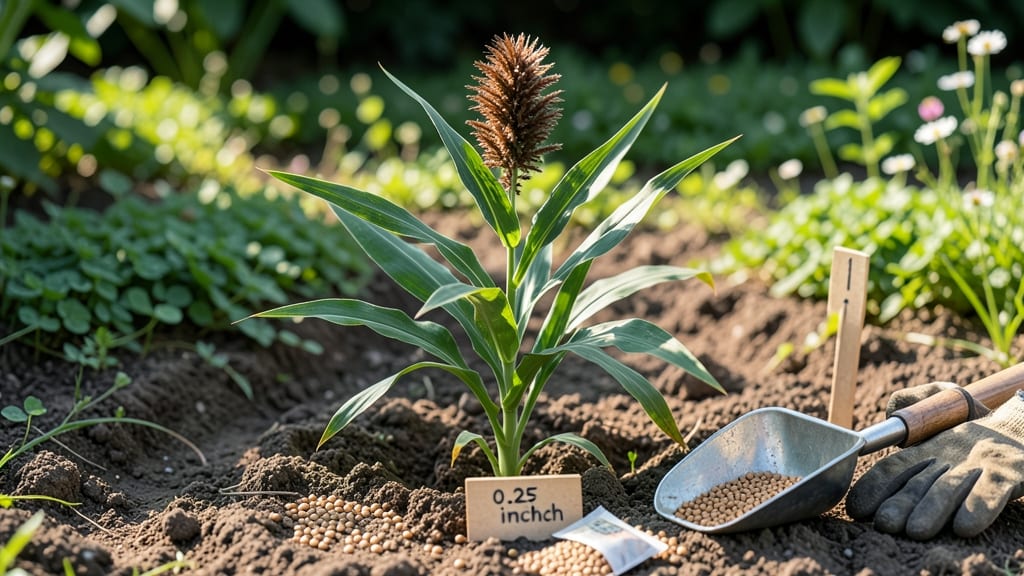
Timing your Brown Top Millet 🌾 planting just right in Mississippi can mean the difference between a dove hunter’s paradise and a missed opportunity.
This fast-growing annual thrives in USDA Zone 8a, but planting it too early risks frost damage, while waiting too late cuts into peak seed production—when doves are most active.
Mississippi’s climate gives you a narrow window to work with: late spring to early summer is your sweet spot. But here’s the catch—if you plant in April, you’ll need to monitor frost dates closely, while June plantings give you the best chance for late-summer seed maturity.
The key is aligning your schedule with dove migration patterns so your millet is ready when they arrive.
I’ve seen firsthand how a few weeks can change everything—one year, a friend planted too late and missed the fall dove flight entirely. Don’t let that happen to you.
Whether you’re a seasoned hunter or new to food plots, this guide will help you lock in the perfect planting time for maximum dove attraction and seed production.
Ready to turn your property into a dove magnet? Let’s break down the exact steps to time your planting for peak seed harvest—when those birds will be flocking to your field.
Best planting months for brown top millet in Mississippi’s climate zones
Mississippi’s diverse climate zones—from the cooler north to the warmer south—mean your brown top millet planting window should align with local frost dates and soil temperatures. In USDA Zone 7b (northern MS), aim for late April to early May when nighttime temps stay above 50°F (10°C).
Southern MS (Zone 8a) can plant as early as mid-March, but wait until soil warms to 60°F (15°C) for best germination.
Soil temperature is critical—brown top millet seeds won’t sprout well below 55°F (13°C). Use a soil thermometer to confirm readiness, especially in cooler microclimates like the Delta region. Planting too early risks frost damage or stunted growth, while late plantings may miss peak dove migration in late summer.
For maximum seed production, schedule your planting to ensure maturity by mid-September, when doves are most active. In northern MS, this means starting seeds no later than June 1st.
Southern growers have flexibility until early July, but avoid August plantings—they won’t mature before first frost (typically mid-November).
🌾
| Climate Zone | Ideal Planting Window | Soil Temp Requirement | Dove Season Alignment |
|---|---|---|---|
| Northern MS (Zone 7b) | Late April - Early May | 60°F (15°C)+ | Peak seed by September |
| Central MS (Zone 8a) | Mid-April - Mid-May | 55°F (13°C)+ | Seed ready by late August |
| Southern MS (Zone 8a/b) | Mid-March - Early June | 60°F (15°C)+ | Flexible timing for fall doves |
Adjust your planting schedule if you experience unusually cold springs. For example, if frost lingers into April 15, delay planting until May 1st to avoid seedling loss.
Conversely, in warmer-than-average years, you can plant as early as March 1st in southern MS—just monitor soil moisture to prevent drought stress during germination.
Brown top millet thrives in full sun (6+ hours daily), so choose open, south-facing fields for best results. Shade from trees or buildings can reduce seed production by up to 40%, cutting dove attraction.
Test your site’s sunlight exposure in late winter to confirm it meets these requirements before planting.
In heavy clay soils common in Mississippi’s Delta, amend planting beds with compost or sand to improve drainage. Poor drainage leads to root rot, which stunts growth and delays seed maturity.
Aim for well-draining soil with a pH between 6.0 and 7.5—test your soil in fall to plan adjustments before spring planting.
For maximum dove appeal, plant in small, scattered patches (50–100 sq ft each) rather than large monocultures. This mimics natural foraging patterns and prevents doves from stripping seeds too quickly. Space patches 50–100 feet apart to distribute dove activity evenly across your property.
🌿 If you’re planting for both spring and fall dove migrations, consider a successive planting strategy. Start your first batch in late April for summer seeds, then add a second planting in mid-July to extend the food source into early fall.
This doubles your dove-hunting opportunities without requiring extra space.
Mississippi’s humid summers can stress brown top millet if not managed properly. After planting, maintain 1–2 inches of mulch around seedlings to retain moisture and suppress weeds.
Water deeply 2–3 times per week during establishment, then reduce to weekly deep waterings once mature. Avoid overhead watering to prevent fungal diseases like mildew.
Best planting months for brown top millet in Mississippi’s climate zones
Mississippi’s diverse climate zones—from the cooler north to the warmer south—require precise timing for brown top millet to thrive. In USDA Zone 7b (north MS), aim for late April to early May when soil temps hit 60°F+.
Southern regions (Zone 8a) can start as early as March but should finish by mid-May to avoid summer heat stress during critical growth phases.
Brown top millet needs 60–70 days to mature, so align planting with dove migration patterns. Spring migrants arrive in late April–May, while fall flocks pass through September–October. Planting in June–July ensures late-summer seed production, just when doves are most active.
Use soil thermometers to confirm readiness—wait until temps stay above 60°F for 5+ days. In northern MS, frost risk lingers until mid-April, so delay planting until after the last frost date. Southern MS growers can push earlier, but avoid extreme heat (above 95°F) during germination.
| Climate Zone | Ideal Planting Window | Soil Temp Requirement | Dove Season Alignment |
|---|---|---|---|
| Northern MS (Zone 7b) | Late April–Early May | 60°F+ (15°C+) | Spring dove migration (May–June) |
| Southern MS (Zone 8a) | March–Mid-May | 55°F+ (13°C+) | Fall dove migration (Sept–Oct) |
| Both Regions | June–July (Late-Season) | 65°F+ (18°C+) | Peak dove activity (Aug–Sept) |
For maximum dove attraction, prioritize late-June to early July plantings—this ensures seed heads mature by August–September, when doves are fattening up for migration. Use local frost date data (e.g., Nov 15 average in MS) to avoid frost damage before harvest.
Adjust for early or late seasons by monitoring seed head development. If planted in May, expect harvest by late July—ideal for early-season dove hunting. For September dove flights, aim for July plantings to extend the food source into fall.
Pro tip: In drought-prone years, prioritize soil moisture during germination. Brown top millet tolerates heat but wilts under dry conditions—keep soil consistently moist for the first 30 days after planting. 🌾