
Plants
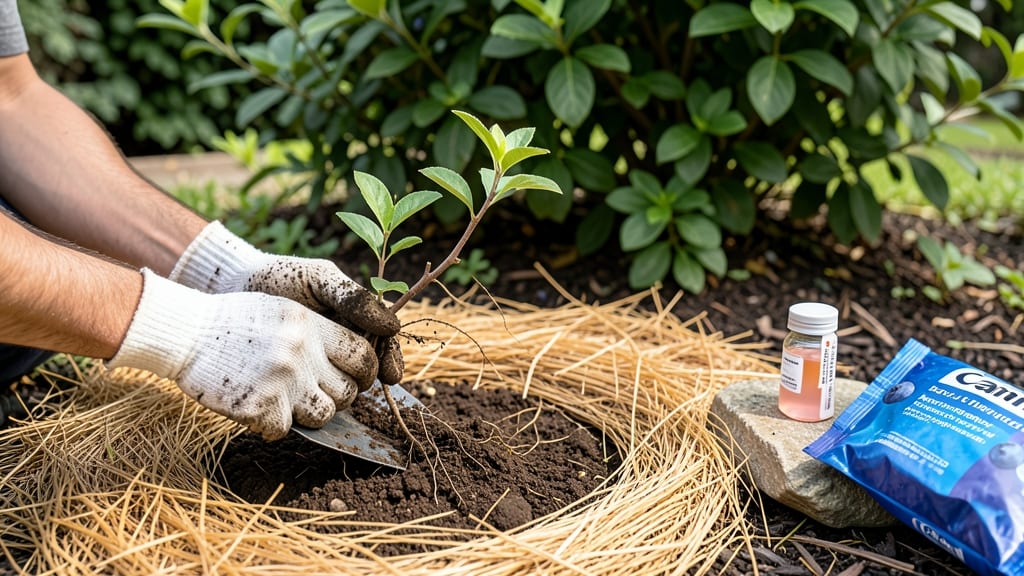
Planting blueberries in Mississippi isn't just about timing—it's about playing the chill-hour game right. If you miss the late fall to early spring window, your 🫐 bushes may never thrive in the state's intense heat, leaving you with stunted growth or no harvest at all.
I've seen firsthand how a few weeks can make the difference between a thriving blueberry patch and one that struggles to survive. Mississippi's unique climate—with its hot summers and mild winters—means you can't just follow general planting guides.
The key is understanding how your specific USDA Zone 8a location affects when to plant, whether you're in the Delta or along the Gulf Coast.
In this guide, I'll walk you through the exact months to plant for maximum success, plus how to prepare your soil and choose the right varieties that actually flourish here.
We're talking about the 3 best blueberry types for Mississippi gardens and how to give them the perfect start so they're ready to produce sweet berries by next spring.
Ready to avoid the common mistakes that kill blueberry bushes before they even begin? Let's get your planting schedule locked in for a bountiful harvest from April through July.
Mississippi’s best blueberry planting months by chill-hour requirements
Mississippi’s climate—with its hot summers and mild winters—demands precision when planting blueberries. The key factor? Chill hours, which vary dramatically across the state’s USDA Zones 7b–9a. Southern Highbush varieties need 300–500 chill hours, while Rabbiteye types thrive with 200–400 chill hours.
Plant outside these windows, and your bushes may fail to fruit—or worse, succumb to heat stress before establishing roots.
Northern Mississippi (Zones 7b–8a) offers the best chill hours, allowing planting from late October through February. Southern Mississippi (Zones 8b–9a) has fewer chill hours, so focus on November–January to avoid summer heatwaves. Even a 2-week delay can mean the difference between a thriving bush and a struggling one.
Here’s the critical timeline for Mississippi blueberry planting, broken down by variety and region:
For Northern Mississippi (e.g., Tupelo, Oxford), aim for October–February planting. The cooler temps help roots establish before summer heat arrives. In Southern Mississippi (e.g., Biloxi, Gulfport), stick to November–January to avoid the 90°F+ summers that can shock young plants.
Pro tip: Container-grown blueberries can be planted slightly later (up to March), as their roots are already established.
Mississippi’s sandy soils (common in the Delta) drain too quickly, while clay-heavy soils (common near the Gulf Coast) retain too much moisture. Amend your soil with peat moss or pine bark to improve drainage and acidity.
A soil test before planting is non-negotiable—blueberries hate alkaline soil (aim for pH 4.5–5.5). If your soil tests higher, mix in sulfur or pine needles to lower the pH gradually.
One common mistake Mississippi gardeners make? Planting in spring. By April, the heat is already intense, and young blueberry bushes struggle to survive.
Even if you miss the fall/winter window, bare-root plants can be planted in early spring (March)—just be prepared to water deeply and mulch heavily to protect them from drought stress.
If you’re in Zone 9a (e.g., the Gulf Coast), consider low-chill varieties like 'Centennial' or 'Peach Sorbet,' which tolerate Mississippi’s warmer winters. These varieties can even be planted in late winter (February) without risking heat stress.
Always check the nursery’s chill-hour data before purchasing—some labeled "Southern Highbush" may still need 500+ chill hours, which won’t work in Zone 9a.
After planting, mulch heavily with pine straw or wood chips to retain moisture and regulate soil temperature. In Mississippi’s humid climate, mulch also prevents fungal diseases like botrytis.
Water deeply but infrequently—blueberries hate wet feet but need consistent moisture. A drip irrigation system is ideal for Mississippi’s unpredictable rainfall.
Remember: Patience is key. Blueberries take 2–3 years to
How to time your blueberry planting for Mississippi’s heat zones (7b–9a)
Mississippi’s microclimates create a heat zone puzzle for blueberry growers. The Delta’s sandy soils and Gulf Coast’s humidity demand different planting strategies. Even within Zone 8a, a 5-mile difference can shift your ideal planting window by 2–3 weeks.
Ignore these nuances, and your young bushes may wilt before summer—or worse, rot from poor drainage.
Let’s break down how to adjust your planting timeline based on where you live in Mississippi. Whether you’re in dry Tupelo or humid Biloxi, these heat zone adjustments will keep your blueberries thriving.
Start by checking your last frost date—most of Mississippi sees its final frost by March 15, but Zone 9a (Gulf Coast) can push that to March 30.
⚠️ CRITICAL WARNING: Planting blueberries in Southern Mississippi (Zones 8b–9a) after February 15 risks heat stress. The soil can hit 80°F+ by March, shocking tender roots. In Northern Mississippi (Zones 7b–8a), you have until March 1 for bare-root plants—but container-grown bushes can handle early April if mulched properly.
🔥 Mississippi Heat Zone Alerts
• Delta Region (Zones 7b–8a): Plant October 15–February 15. Sandy soils heat up faster—mulch with 4+ inches of pine straw to insulate roots.
• Central Mississippi (Zones 8a–8b): Stick to November 1–January 31. Clay soils retain moisture—amend with perlite to prevent root rot.
• Gulf Coast (Zone 9a): December 1–January 15 only. Humidity + heat = fungal risks. Use drip irrigation and fungicide preemptively.
⚠️ PRO TIP: If you miss the window, container-grown blueberries can be planted in early April—just shade-cloth them for the first 2 weeks.
Your soil type is just as critical as your planting date. Mississippi’s sandy soils (common in the Delta) dry out too quickly, while clay-heavy soils (near the Gulf Coast) smother roots. Before planting, test your soil’s pH—blueberries require 4.5–5.5.
If your soil tests higher, mix in elemental sulfur (1 lb per 100 sq ft) 3 months before planting to adjust the pH gradually. Lime or wood ash? Never use these—they’ll raise pH and kill your bushes.
Once you’ve planted, watering strategy becomes your #1 defense against Mississippi’s summer heatwaves. Deep water 2–3 times per week during the first 60 days to encourage root growth. After establishment, reduce to once weekly—but never let the soil dry out completely.
A 5-gallon bucket of water per bush is a good rule of thumb. Morning watering (before 10 AM) prevents fungal diseases like botrytis, which thrive in Mississippi’s humid afternoons.
After the first year, mulching becomes your secret weapon. Apply 3–4 inches of pine straw or wood chips around the base of your bushes. This retains moisture, regulates soil temperature, and suppresses weeds.
In Zone 9a, mulch also reduces fungal spores from splashing soil onto leaves. Replenish mulch annually—it breaks down faster in Mississippi’s hot, humid climate.
Finally, prune strategically to boost survival. In Year 1, focus on removing dead branches and thinning crowded stems to improve airflow. Avoid heavy pruning—you’ll stress the plant when it’s already fighting heat and humidity.
In Years 2–3, prune in late winter (February) to shape the bush and encourage fruit production. Always use sterilized pruners to prevent bacterial infections.