
Plants
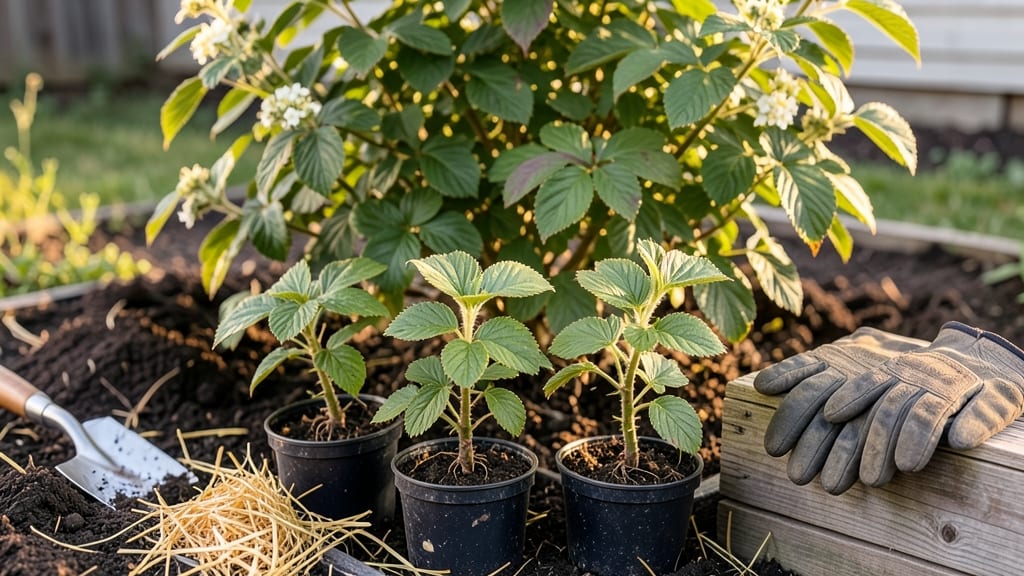
Planting blackberries in Louisiana isn’t just about throwing canes into the ground—it’s about matching your variety to the chill hours your region actually delivers.
With USDA zones 8a-9b and a long, humid growing season, timing your blackberry planting just right can mean the difference between a bountiful harvest and struggling vines.
Most gardeners in Louisiana swear by late winter to early spring planting, but there’s a catch: not all blackberries thrive in our warm winters. Primocane varieties (like 'Prime-Ark Freedom') produce fruit on new growth, making them a better fit for our mild climate, while traditional floricane types need more chill hours to set fruit.
Getting this right ensures your 🫐 bushes burst with flavor instead of flopping in the heat.
Soil prep is just as critical as timing—Louisiana’s clay-heavy soils need amending with compost or sand for proper drainage. And if you’re in the northern part of the state, you’ve got a slightly longer window before summer’s relentless heat kicks in.
I’ll walk you through the exact months to plant, how to prep your soil, and which varieties play nice with Louisiana’s quirks.
Ready to grow blackberries that outperform the heat and humidity? Let’s dive into the step-by-step guide that’ll have you harvesting sweet, juicy berries from April through September—no guesswork required.
Louisiana blackberry planting zones and chill-hour requirements
Louisiana’s USDA zones 8a-9b create a unique challenge for blackberry growers—our warm winters mean most floricane-fruiting varieties struggle without enough chill hours. But don’t worry: with the right primocane varieties and smart planting strategies, you can still grow sweet, productive blackberries in our climate.
The key is matching your blackberry variety to your specific microclimate. Northern Louisiana (zones 8a-8b) gets slightly more winter chill than southern areas (9a-9b), so your chill-hour needs will vary.
For example, Natchez and Arapaho thrive in northern parishes with 300-500 chill hours, while southern growers should opt for primocane varieties like Ouachitamba or Chester, which need 0-300 chill hours.
Here’s how to decode chill-hour requirements for Louisiana:
| Variety Type | Chill Hours Needed | Best For Louisiana Zone | Fruiting Season |
|---|---|---|---|
| Floricane (June-bearing) | 500-1000 hours | Northern LA (8a-8b) | June-July |
| Primocane (Fall-bearing) | 0-300 hours | All LA zones (8a-9b) | July-October |
| Ever-bearing (Hybrid) | 300-600 hours | Transition zones (8b-9a) | June-October |
If you’re in southern Louisiana (9a-9b), stick to primocane varieties—they produce fruit on new growth, so they don’t need winter dormancy. For northern Louisiana (8a-8b), you can grow either type, but floricane varieties will need winter protection if chill hours dip below 500 hours.
Pro tip: Check your local chill hours using the Louisiana Climate Center’s data or a home weather station. Plant nurseries in your area often carry regionally adapted varieties, so ask before buying!
Another critical factor is soil temperature. Blackberry roots need soil temps above 50°F (10°C) to establish properly.
In Louisiana, this typically means waiting until late February to early March for bare-root plants or March to April for potted varieties. Ever-bearing varieties can handle slightly warmer soil, so they’re often planted 1-2 weeks earlier.
For container growing, which is popular in humid Louisiana, choose primocane varieties like Apache or Chester. These thrive in pots and produce fruit year-round in our mild winters. Just ensure your container has drainage holes and use a well-draining potting mix to prevent root rot.
Finally, consider microclimate variations. Areas near large bodies of water (like Lake Pontchartrain) may have cooler winters and more chill hours, while inland parishes like Lafayette or Shreveport can get hotter and drier.
Adjust your planting timeline accordingly—cooler microclimates can plant 2-3 weeks earlier than hotter inland zones.
Now that you’ve matched your variety to your zone, let’s dive into the best planting windows for Louisiana’s unique climate—where timing can mean the difference between a bountiful harvest and struggling vines. 🫐
Best planting windows in Louisiana: month-by-month breakdown
Timing your blackberry planting in Louisiana is critical—get it wrong, and you risk stunted growth or poor fruit production. The ideal window spans from late winter to early spring, aligning with the state’s USDA zones 8a-9b and avoiding extreme heat or frost.
For most growers, February through March offers the perfect balance of cool soil and warming air.
If you miss this window, don’t despair—fall planting (October-November) can work for bare-root plants, but it requires careful soil prep to prevent winter stress. Spring planting, however, is the safer bet for potted blackberries, allowing roots to establish before the summer heat ramps up.
- 🌱 February: Best for bare-root plants—soil is cool, and frost risk is low. Plant after last frost date (typically mid-March), but prepare beds in advance.
- 🌿 March: Prime time for potted plants—warmer soil speeds root establishment. Avoid planting if unpredictable frost is forecasted.
- 🌞 April: Last chance for spring planting—ideal for primocane varieties (e.g., Natchez, Arapaho) that thrive in Louisiana’s heat.
- 🍂 October-November: Fall option for bare-root—plant 6-8 weeks before first frost (usually mid-November) to allow roots to settle before winter.
- ❄️ December-January: Avoid planting—frost and cold soil stunt growth. If you must, use protected microclimates (e.g., raised beds with mulch).
Each month carries unique risks—February’s unpredictable late frosts can damage tender roots, while April’s scorching sun demands morning watering to prevent transplant shock. For fall plantings, prioritize well-draining soil to avoid waterlogged roots during Louisiana’s wet winters.
Pro tip: Test soil pH (aim for 5.5-6.5compost or peat moss 2-3 weeks before planting. This gives microbes time to break down organic matter, ensuring your blackberries get a nutrient boost from day one.
If you’re growing floricane varieties (e.g., Chester, Ozark Beauty), plant in late winter to maximize chill hours—critical for next year’s fruit set. For primocane types, spring planting lets you harvest fruit on new growth the same year.
Remember: Louisiana’s humidity accelerates fungal diseases, so space plants 6-8 feet apart and prune for airflow. Mulch with pine straw to suppress weeds and retain moisture—critical during summer’s dry spells.