
Plants
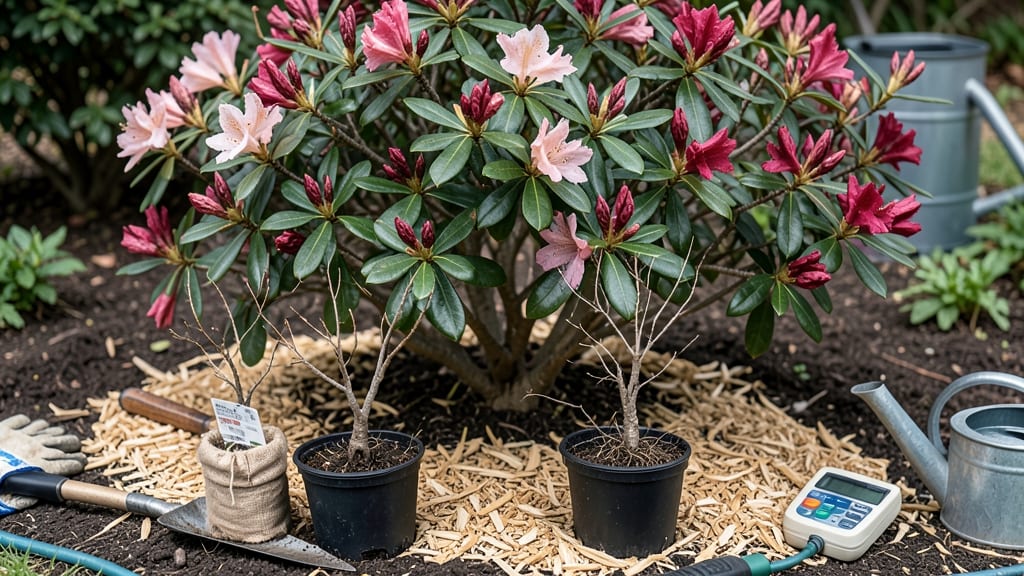
Planting azaleas in Maryland isn’t just about grabbing a shovel in spring—it’s about outsmarting unpredictable frost dates and matching your shrub’s chill-hour needs to your local microclimate. The wrong timing can leave your 🌸 azaleas struggling to bloom, but get it right, and you’ll enjoy vibrant blooms for years.
Maryland’s USDA zones 7a-7b give you two ideal windows: fall (October–November) or early spring (March–April). Fall planting lets roots establish before winter, while spring gives young plants a head start. But here’s the catch: coastal areas and Piedmont regions have different frost risks, so one size doesn’t fit all.
I’ll break down the exact months to plant based on your part of Maryland, plus how to pick azaleas that thrive in your chill-hour zone. Whether you’re in Baltimore or the Eastern Shore, these tips will help you avoid transplant shock and set your shrubs up for success.
Ready to turn your yard into a springtime spectacle? Let’s dive into the science—and the secrets—of planting azaleas like a pro.
Maryland’s azalea planting timeline: frost dates by region
Planting azaleas in Maryland requires precise timing to avoid late frosts that can damage tender roots or early cold snaps that stunt growth. Unlike many plants, azaleas thrive when planted in either early fall or early spring, but Maryland’s USDA zones 6b-7b and regional microclimates create unique challenges.
The key is aligning your planting window with your area’s average last frost date.
For most of Maryland, this falls between mid-April and early May, but coastal areas like the Eastern Shore can be 2-3 weeks earlier, while higher elevations in Western Maryland may delay planting by a similar margin.
Fall planting is often preferred because it allows roots to establish before winter dormancy. Aim for October through early November, giving roots 6-8 weeks to settle before the ground freezes.
Spring planting should happen as soon as soil is workable—typically mid-March to early April—but never before the last frost.
Here’s how Maryland’s regions differ in frost timing and ideal planting windows:
| Region | Avg. Last Frost | Fall Planting Window | Spring Planting Window | Key Consideration |
|---|---|---|---|---|
| Baltimore/DC Metro | April 15 | Oct 15–Nov 5 | Mar 20–Apr 10 | Urban heat islands delay frost; monitor soil temp |
| Western MD (Frederick, Hagerstown) | April 25 | Oct 1–Nov 15 | Apr 1–Apr 20 | Cooler microclimates; extend fall window |
| Eastern Shore (Salisbury, Ocean City) | April 5 | Sep 20–Nov 10 | Mar 10–Apr 5 | Warmer coastal climate; earlier frost dates |
For container-grown azaleas, you have slightly more flexibility. These can be planted up to two weeks after the last frost date, as their roots are less vulnerable to cold. However, avoid planting in summer heat, which stresses roots and increases transplant shock risk.
Pro tip: Use the University of Maryland Extension’s frost date calculator to pinpoint your local window. For most gardeners, October and early April are the safest bets, but always verify soil temperature—roots need 50°F+ soil to establish properly.
If you’re in doubt, err on the side of earlier planting. Azaleas planted in September or early October often outperform those planted later, as they have more time to root before winter. Just protect young plants with mulch (3–4 inches) to insulate roots.
🌸
Chill-hour requirements: matching azalea varieties to Maryland’s climate
Maryland’s USDA zones 6b–7b mean azaleas need just the right amount of winter chill to bloom spectacularly. Chill hours—the number of hours below 45°F—are critical.
Most Maryland azaleas thrive with 300–900 chill hours, but varieties vary. Evergreen azaleas (like Rhododendron species) often need 600–900 hours, while deciduous types (like Rhododendron hybrids) may require 300–600 hours. Choosing the wrong variety can mean fewer blooms or no blooms at all.
For example, ‘Girard’s Pink’ azalea, a Maryland favorite, needs 600–900 chill hours—perfect for Baltimore’s 700–800 chill hours.
But in Western Maryland’s cooler zones (6b), you might opt for ‘Hino Crimson’, which thrives with 400–600 chill hours. Check your local chill-hour data (available via University of Maryland Extension) before buying.
🌸 Did You Know? Some modern azaleas, like ‘Birkwood Hybrid’, are bred for low-chill zones (300–400 hours) and work well in Southern Maryland’s milder winters. Always verify chill-hour needs on the nursery tag or plant label.
🌿 Azalea Varieties for Maryland’s Climate
| Variety | Chill Hours | Best Maryland Region | Bloom Time |
|---|---|---|---|
| ‘Girard’s Pink’ | 600–900 | Baltimore/DC Metro | Late April–May |
| ‘Hino Crimson’ | 400–600 | Western MD (Zone 6b) | Early May |
| ‘Birkwood Hybrid’ | 300–400 | Southern MD/Eastern Shore | Mid-May |
| ‘Southern Indica’ | 200–300 | Coastal (Zone 7b) | June |
✅ Pro Tip: Evergreen azaleas need more chill hours than deciduous types. If you’re in Zone 7b, lean toward deciduous varieties for reliable blooms.
If you’re unsure about your local chill hours, use the University of Maryland’s Frost/Freeze Tool or a home weather station to track winter lows. Container-grown azaleas may need extra protection in urban heat islands (like Baltimore or DC), where fewer chill hours accumulate. Move containers to a sheltered spot in winter to boost chill-hour exposure.
Finally, plant azaleas in fall (October–November) to give roots time to establish before winter. Spring planting (March–April) works too, but avoid late spring—new growth may get damaged by late frosts. Test your soil’s pH (aim for 4.5–6.0) and amend with peat moss or sulfur if needed.
By matching your azalea variety to Maryland’s chill-hour zones, you’ll ensure vibrant blooms year after year. Happy planting! 🌿