
Plants
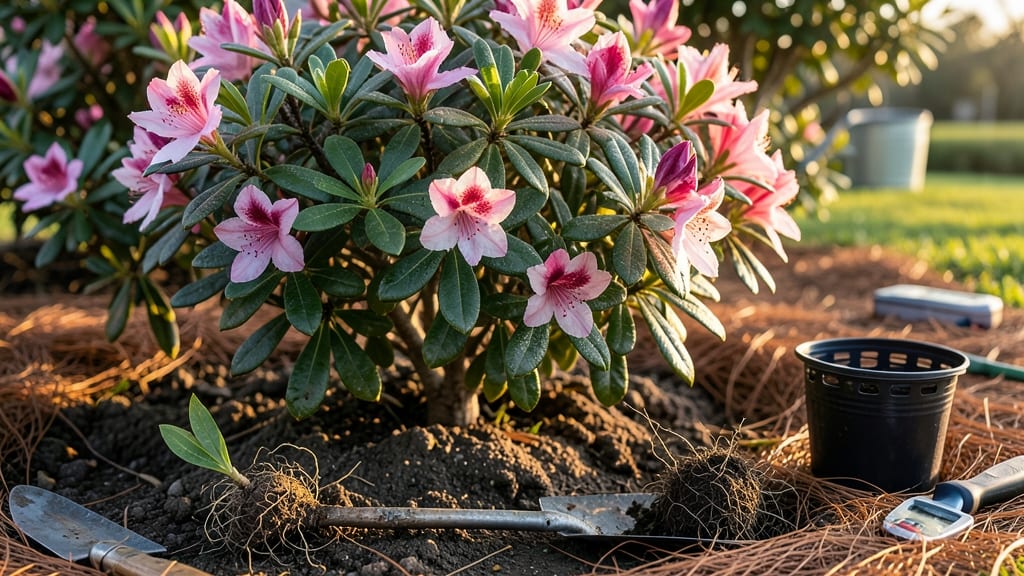
Planting azaleas in Florida at the wrong time means skipping the reliable blooms you love—especially when your 🌸 neighbors are bursting with color while yours stay bare. The key? Matching your azalea’s chill-hour needs to Florida’s unpredictable seasons, whether you’re in North Florida’s cooler pockets or South Florida’s frost-free zones.
Fall planting—between September and November—gives roots time to establish before winter, while early spring (February–March) works for areas with milder winters. But here’s the catch: not all azaleas thrive equally.
Evergreen types like ‘Southern Indica’ need fewer chill hours, while deciduous varieties might struggle in South Florida’s heat if planted too late.
Timing isn’t just about months—it’s about soil prep, too. Florida’s sandy soil often lacks the acidic pH (4.5–6.0) azaleas crave, and skipping mulch or shade can turn your new shrub into a sun-scorched disappointment.
I’ll walk you through the exact steps to set yours up for vibrant spring blooms, no matter where you garden in the Sunshine State.
Ready to avoid the common mistakes that kill azalea dreams? Let’s dive into the perfect planting window for your Florida yard—and how to keep those flowers coming back year after year.
Best planting months for azaleas in Florida based on chill-hours
Florida’s warm climate makes azalea planting timing critical for success—these shrubs need chill-hours (cold exposure) to bloom reliably. In North Florida (USDA Zones 8a-8b), where winters dip below 40°F, aim for 500–700 chill-hours annually.
Meanwhile, Central Florida (Zone 9a) only hits 300–500 chill-hours, while South Florida (Zone 10a+) rarely exceeds 100–300 chill-hours. Planting at the wrong time means skipped blooms or stressed shrubs.
For North Florida gardeners, the best window is October–November, giving roots time to establish before winter’s chill.
In Central Florida, stretch planting to September–October or February–March to avoid summer heat stress. South Florida’s mild winters demand early spring planting (February–March) or late summer (August–September) to escape peak heat.
⚠️ Critical Tip: Azaleas planted in late spring (April–May) often fail to bloom because they miss the chill-period trigger. Even ‘Southern Indica’, a heat-tolerant cultivar, struggles without proper timing.
Evergreen azaleas (Rhododendron species) thrive in North and Central Florida if planted in fall. They need 6–8 weeks of cooler temps to set buds. Deciduous azaleas, like ‘George Taber’, handle Central Florida’s heat better but still require early planting to avoid summer stress.
In South Florida’s heat, prioritize dwarf varieties like ‘Dwarf Fountain’, which bloom on new wood (growth from current season). These adapt better to limited chill-hours but need consistent moisture to compensate.
Pro fall-planted azaleas establish roots before summer’s intensity, while spring-planted shrubs may bolt upward without root depth—leading to floppy stems and poor blooms. Test soil pH (4.5–6.0) before planting; Florida’s native soil is often too alkaline.
For container-grown azaleas, plant anytime except summer. Containers dry faster, so water deeply after planting and mulch heavily (3–4 inches) to retain moisture. South Florida’s humidity also increases fungal risks, so avoid overhead watering.
After planting, prune lightly to remove damaged branches and shape the shrub. Wait until spring blooms fade to prune evergreen varieties—this ensures next year’s flower buds form properly.
🌸 Key Takeaway: Match your azalea variety to your Florida region’s chill-hours, plant in fall or early spring, and prioritize acidic soil for reliable blooms every year.
Best planting months for azaleas in Florida based on chill-hours
Florida’s chill-hour zones dictate when to plant azaleas for reliable blooms. North Florida’s cooler winters (USDA Zones 8a–9a) need 300–500 chill hours, while South Florida’s heat (Zones 10a–11) thrives with 100–300 hours. Planting outside these windows risks sparse or no flowers—especially for deciduous varieties like ‘George Taber’.
For North Florida, aim for October–November planting. The cooler temps help roots establish before winter, and azaleas get enough chill hours to bloom next spring. Central Florida gardeners should plant in September–October or February–March, balancing chill needs with heat tolerance.
South Florida’s frost-free climate makes fall planting (August–September) ideal for evergreen azaleas like ‘Southern Indica’. These varieties bloom with fewer chill hours, but planting too late in spring (after March) can stress them in summer’s heat.
Evergreen azaleas like ‘Southern Indica’ bloom year-round in South Florida but need partial shade to avoid leaf scorch. In contrast, deciduous types like ‘George Taber’ require more chill hours and are better suited for North Florida’s cooler winters.
Pro tip: Test your soil’s pH before planting—azaleas demand acidic soil (4.5–6.0). Florida’s native sandy soil often needs peat moss or sulfur to hit the right range. I’ve seen azaleas wilt within weeks when planted in alkaline soil, so never skip this step.
For container-grown azaleas, timing matters too. Plant bare-root varieties in fall (October–November) or potted plants in early spring (February). Containers dry out faster, so water deeply after planting and mulch heavily to retain moisture.