
Plants
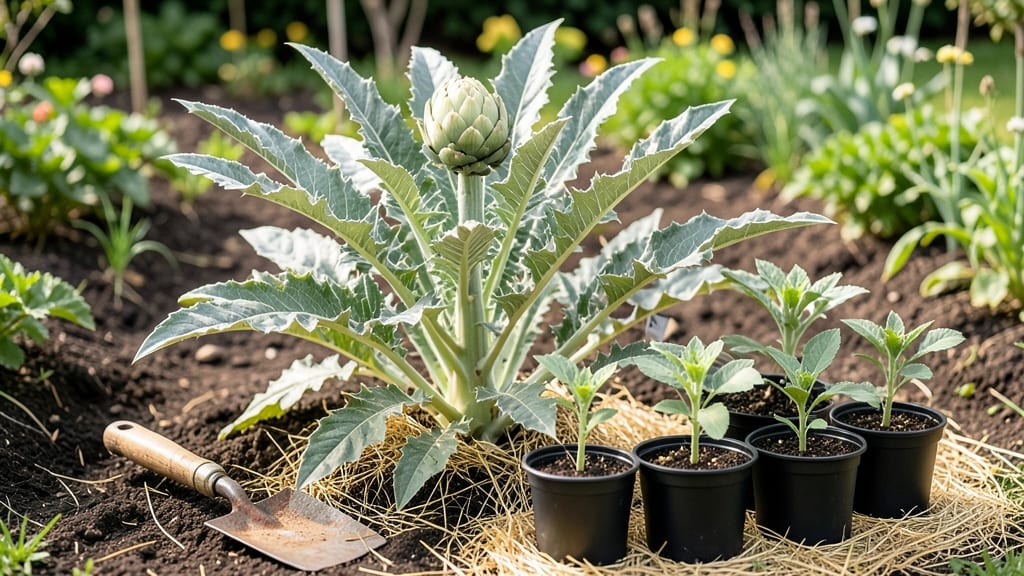
Planting artichokes in Arizona isn’t just about timing—it’s about outsmarting the desert’s heat and unpredictable frost. If you’ve ever watched your tender seedlings wilt under the sun or freeze in a surprise cold snap, you know how critical fall planting can be for a successful harvest.
Here’s the secret: October through December is your sweet spot, when cooler temperatures give those 🌱 artichoke plants the best shot at rooting before winter’s chill. But Arizona’s microclimates—from Phoenix’s scorching lowlands to Flagstaff’s cooler highlands—mean one size doesn’t fit all.
Let’s break down the exact windows and tricks to set your garden up for a bold, frost-free harvest.
You’ll also discover how to prep your soil, when to water (hint: not during the monsoons!), and which varieties like ‘Green Globe’ thrive in USDA Zone 9b. Skip the guesswork—these are the moves that turn fall planting into a springtime feast.
Ready to grow artichokes that outlast the heat? Let’s get those seeds in the ground before the first frost hits—and keep them thriving until your kitchen’s ready for homegrown globes.
Best months to plant artichokes in Arizona’s climate zones
Arizona’s diverse climate zones—from the low desert’s 110°F summers to the high desert’s cooler winters—create unique challenges for growing artichokes. Unlike temperate climates, Arizona’s frost-free growing season spans nearly year-round, but timing is everything.
Plant too early, and your artichokes will bolt in the heat; too late, and they won’t mature before winter chills. The key? Align your planting with Arizona’s microclimates to maximize yield and avoid stress.
Artichokes thrive in USDA Zone 9b, where winters are mild but can still dip below 32°F in high desert areas like Flagstaff. In Phoenix and Tucson, heat tolerance becomes the bigger hurdle—artichokes prefer cool spring temperatures (60–70°F) and struggle when daytime highs exceed 90°F.
The solution? Plant in fall or early winter to let roots establish before summer’s intensity, or use season-extending techniques (we’ll cover those later!).
Here’s the breakdown by zone—ideal months, frost risks, and heat escape strategies—to help you pick the perfect planting window for your location:
For low desert gardeners, the October–November window is critical. Plant 6–8 weeks before your last frost date (typically mid-January), giving roots time to anchor before summer’s heat. In Phoenix, this means starting seeds indoors by mid-September or buying transplants in late September.
The goal? Avoid summer planting—artichokes bolt (flower prematurely) when days exceed 14 hours of light, which happens by mid-May.
In transitional zones like Prescott, you’ve got flexibility: September–October for a spring harvest or January for a summer crop. The January start works because soil stays warm enough (thanks to desert sun), but protect seedlings with row covers until soil temps hit 60°F.
Pro tip: Test soil pH—artichokes prefer 6.5–7.5; Arizona’s alkaline soils often need sulfur amendments to hit the sweet spot.
High desert growers face different risks: late frosts and short growing seasons. Plant in March–April for a summer harvest or August for a fall crop (with row covers to extend the season). Varieties like ‘Violetto’ handle cooler temps better, but even they need frost protection if temps dip below 28°F. Use black plastic mulch to warm soil faster in spring—this can shave 2–3 weeks off your growing season.
One non-negotiable rule across all zones: Never plant artichokes in summer. The 100°F+ days in Phoenix or 90°F+ nights in Flagstaff will stress plants into dormancy or cause bud drop.
Instead, focus on fall/winter planting and season extension—think hoop houses, shade cloth, and drip irrigation to keep roots cool. With the right timing, you’ll harvest plump, tender artichokes by March–May, just as local markets spike in price.
Ready to dive deeper? Next, we’ll cover how to shield artichokes from Arizona’s brutal heat—including organic vs. synthetic shade solutions and irrigation hacks to keep your plants thriving. 🌱
Best months to plant artichokes in Arizona’s climate zones
Arizona’s diverse climate zones—from the scorching low desert of Phoenix to the cooler high desert of Flagstaff—create unique planting challenges for artichokes. Unlike temperate climates, Arizona’s frost-free windows and intense summer heat demand precise timing to avoid bolting or stunted growth.
The key is planting when soil temperatures drop below 85°F and daytime highs stay under 90°F, typically in fall or early winter.
For USDA Zone 9b (Phoenix, Tucson), aim for October through December—this aligns with cooler evenings and shorter days, reducing stress on young plants. In higher elevations (Zones 7-8, like Flagstaff), you can push planting to late August or early September before the first frost arrives in December.
Transplants tolerate cooler temps better than seeds, so start with nursery-grown plants if your season is short.
Artichokes thrive in cool-season conditions, but Arizona’s unpredictable monsoons can complicate timing. If you miss the fall window, January planting is possible in Zone 9b, but expect slower growth until March.
For container gardening, extend your window by 2–4 weeks—pots warm up faster in spring, so plant earlier (late September) to avoid overheating roots.
Pro tip: Test soil temps with a soil thermometer before planting. Artichokes won’t germinate below 60°F, and transplants struggle in temps above 85°F. In Phoenix, this often means waiting until mid-October even if the calendar says "fall." Pair planting with drip irrigation to keep roots cool and consistent.
Choose heat-tolerant varieties like ‘Green Globe’ or ‘Imperial Star’—they handle Arizona’s 100°F+ days better than traditional types. However, yield drops significantly if plants experience prolonged heat above 90°F, so shade cloth (30–50%) is your best friend during April–June.
Plan to harvest by May in low desert areas to avoid bolting.
Remember: Artichokes are biennials, meaning they produce year-round in Arizona if managed correctly. With the right fall planting, you’ll enjoy harvests from March to May, just as local markets start running low.
The secret? Start early, mulch heavily, and watch the weather—Arizona’s artichoke success hinges on timing, not luck.