
Companion Plants
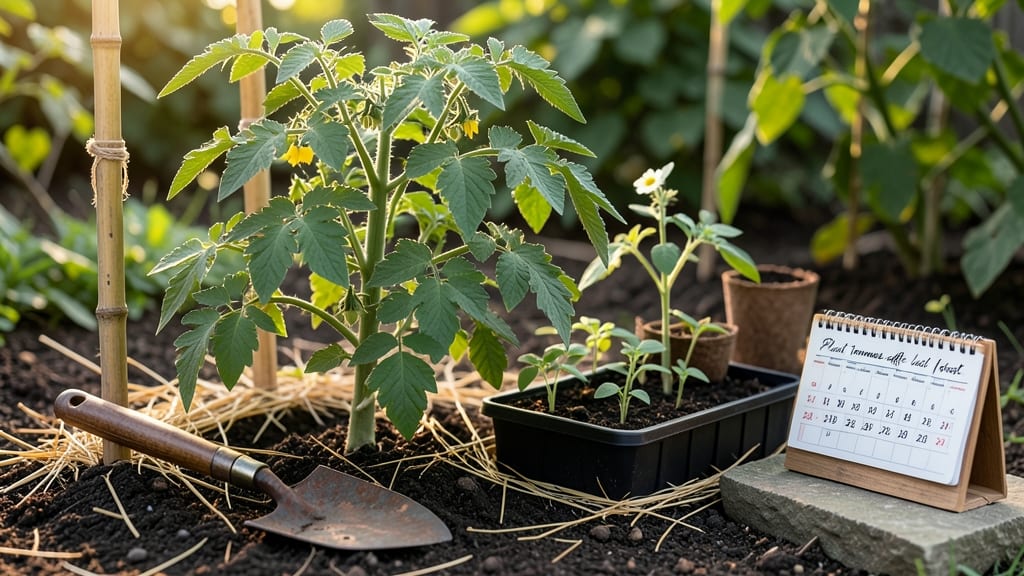
Planting tomatoes in Missouri at the wrong time means frost-killed vines and wasted effort—so knowing the perfect window is the difference between a bumper crop of 🍅 and a sad, shriveled disappointment.
Missouri’s 5b-6b climate gives you a narrow but critical mid-April to early June window to get seeds in the ground after the last frost. But here’s the catch: rushing too early risks frost damage, while waiting too long cuts your harvest short.
I’ll break down exactly when to start indoors, when to transplant, and how to spot the signs you’ve timed it just right.
Whether you’re a first-time gardener or a seasoned grower, these Missouri-specific tips will help you avoid common pitfalls like chilly soil or late-season heat stress. Let’s make sure your tomatoes thrive from seed to ripe, juicy perfection.
Ready to turn your garden into a tomato powerhouse? The clock is ticking—literally—so let’s get those planting dates locked in for a season of success.
Missouri planting zones: when to start tomatoes indoors vs. outdoors
Missouri spans USDA Zones 5b to 7a, which means your tomato planting timeline can vary by 2-3 weeks depending on where you live. In northern Missouri (Zone 5b), you’ll need to start seeds indoors as early as February to get transplants ready by late May.
Meanwhile, gardeners in southern Missouri (Zone 7a) can direct-sow seeds outdoors by mid-April without worrying about frost.
The key is knowing your last average frost date, which ranges from April 15 in St. Louis to May 1 in Kansas City. I’ll break down the exact windows for starting indoors, transplanting, and direct sowing so you can avoid frost damage while maximizing your harvest.
| Zone | Last Frost | Start Indoors | Transplant Outdoors | Direct Sow |
|---|---|---|---|---|
| 5b (North) | May 1 | Feb 15-Mar 1 | May 15-31 | After May 15 |
| 6a (Central) | April 15 | Mar 1-Apr 1 | April 30-May 15 | After April 15 |
| 7a (South) | March 15 | Feb 15-Mar 1 | April 15-May 1 | After March 15 |
🌱 Pro Tip: Use black plastic mulch to warm soil faster and extend your planting window by 1-2 weeks.
If you’re starting seeds indoors, aim for 6-8 week-old seedlings before transplanting. This gives them enough time to develop strong roots and 4-6 true leaves before facing Missouri’s unpredictable spring weather. I recommend using seedling heat mats to keep soil temps at 70-75°F for faster germination.
For gardeners in Zone 6a or warmer, you can skip the indoor start and direct-sow seeds outdoors after the last frost. Just cover them with row fabric for the first week to protect against late frosts.
This method saves time and reduces transplant shock, which is a big win for busy gardeners.
One common mistake I see is waiting too long to transplant. If your seedlings are taller than 12 inches or have flower buds before going outdoors, they’ll struggle to recover from transplant shock. Harden them off for 7-10 days by gradually exposing them to outdoor conditions before the big move.
Missouri’s microclimates also play a role—urban areas like St. Louis can be 2-3°F warmer than rural zones, giving you an earlier planting window. Check your local Cooperative Extension Service for hyper-local frost data, as even small differences can mean the difference between success and failure.
Remember, tomatoes need consistent warmth to thrive. If nighttime temps drop below 50°F after transplanting, your plants will struggle. Use row covers or cold frames to buffer against chilly nights, especially in Zone 5b where late frosts are more common.
Finally, don’t forget about late-season planting! In southern Missouri (Zone 7a), you can even try a second crop in early July using heat-tolerant varieties like 'Solar Fire' or 'Heatmaster.' Just be prepared to harvest before the first frost in October.
5 Critical factors that determine your perfect tomato planting timeline
Missouri’s variable climate means frost dates alone won’t guarantee tomato success. You also need to account for soil warmth, nighttime temperatures, and even your garden’s microclimate. Let’s break down the five key factors that’ll help you pinpoint the ideal planting window for your location.
First up: soil temperature. Tomatoes won’t thrive until the soil hits at least 60°F. In Missouri, this usually aligns with mid-April to early May, but cooler years (like 2021) can push this back to late May.
Use a soil thermometer to check—cold soil stunts root growth, leaving your plants vulnerable to disease.
Next, watch for consistent nighttime warmth. Tomatoes need nights above 50°F to set fruit. If temperatures dip below this, your plants will drop blossoms or produce small, bitter tomatoes. In northern Missouri (Zone 5b), this often means waiting until after May 15.
- Soil Temperature
- Nighttime Lows
- Microclimates
- Last Frost Date
- Variety Maturity
Don’t overlook microclimates—your garden might warm up faster than your neighbor’s. South-facing beds or raised beds heat up earlier, while low-lying areas stay cooler longer. If you’re unsure, plant a test row of fast-growing radishes in early April to gauge warmth.
Another pro tip: Use black plastic mulch to warm soil by 5-10°F, giving you an earlier start. Just remember to remove it by mid-July to prevent overheating. For container growers, choose heat-tolerant varieties like ‘Solar Fire’ or ‘Heatmaster’ if your patio gets hot.
Finally, match your tomato variety to your timeline. Early varieties (e.g., ‘Stupice’) can handle cooler soils, while late-season varieties (e.g., ‘Brandywine’) need a longer, warmer season. In Missouri’s Zone 6b-7a, aim to transplant by May 1 for most varieties to ensure a full harvest before frost.
By nailing these five factors, you’ll dodge the most common Missouri tomato mistakes—frost damage, poor fruit set, and late-season heat stress. Now you’re ready to plant with confidence!