
Plants
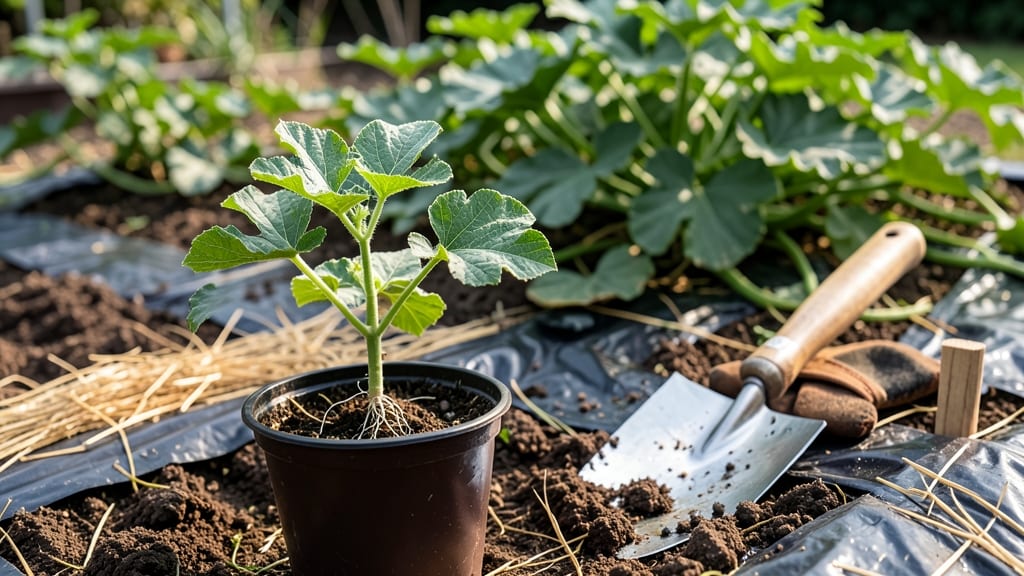
Planting watermelon in Missouri at the wrong time can leave you with bitter fruit—or worse, no harvest at all. The key to sweet, juicy melons lies in waiting until the soil warms up, not just the air, and understanding your local heat zone deadlines is everything.
Missouri’s USDA zones 5–7 mean your planting window is tighter than you think. Most varieties need 90 days of warm weather to ripen, so timing is critical—especially when early frosts can sneak in unexpectedly.
I’ll show you exactly when to start seeds indoors or plant directly in the ground for a successful harvest.
Whether you’re in St. Louis, Kansas City, or rural areas, soil temperature matters more than calendar dates. We’ll cover how to check for readiness and adjust for microclimates that can push your harvest earlier—or protect it from late-season chills.
Ready to grow watermelons that rival the ones at the farmers' market? Let’s break down the perfect planting schedule for Missouri’s unpredictable spring, so you can enjoy homegrown sweetness all summer long.
Missouri heat Zone deadlines for planting watermelon seeds
Missouri’s USDA zones 5-7 create distinct planting windows for watermelons, where a 90-day harvest window is critical. Most varieties need 75-90 frost-free days, so timing your seeds after the last spring frost (typically mid-April to early May) ensures you’ll enjoy sweet melons before fall’s first chill.
Rural areas often warm up faster than cities like St. Louis or Kansas City, so adjust your schedule accordingly.
For direct sowing, wait until soil temperatures reach at least 70°F (21°C), which usually happens by late May in northern Missouri and mid-May in southern regions.
Transplants can handle slightly cooler soil but still need warmth—aim for 60°F (15°C) minimum to avoid stunted growth. Using a soil thermometer is my go-to trick for precision planting.
Here’s a quick reference for Missouri’s key regions, balancing frost dates with heat requirements:
| Region | Last Frost | Ideal Planting Window | Soil Temp Requirement | Harvest Window |
|---|---|---|---|---|
| Northern MO (Zone 5) | Mid-April | Late May - Early June | 70°F+ (21°C+) | Late August - Early September |
| Central MO (Zone 6) | Early April | Mid-May - Late May | 70°F+ (21°C+) | Late July - Mid-September |
| Southern MO (Zone 7) | Late March | Early May - Mid-May | 65°F+ (18°C+) | Mid-July - October |
| Urban (St. Louis/KC) | Mid-April | Late May - Early June | 70°F+ (21°C+) | Late August - Early September |
If you’re in Zone 5, stick to fast-maturing varieties like ‘Sugar Baby’ (70 days) to beat the clock. In Zone 7, you can experiment with longer-season types like ‘Crimson Sweet’ (85 days) or even try a fall planting in late July for a late harvest.
Just remember: watermelons hate cold soil, so never rush planting—wait for the heat!
For transplants, start seeds indoors 4-6 weeks before your last frost date, then move them outside once nighttime temps stay above 55°F (13°C). Hardening off seedlings for 7-10 days prevents shock, which is especially important in Missouri’s unpredictable springs.
I’ve lost count of the times I’ve seen gardeners skip this step and watch their transplants wilt overnight.
Missouri’s humid summers can also affect planting. If you’re in a low-lying area, soil may stay cooler longer due to moisture retention. Raised beds or black plastic mulch can help warm the soil 2-3 weeks faster, giving you an earlier start.
Pro tip: Lay down clear plastic sheeting a week before planting to accelerate soil heating—it’s a game-changer for northern Missouri gardeners.
Don’t forget to test your soil pH (watermelons prefer 6.0-6.8organic matter improves drainage and root growth. I’ve seen watermelon vines struggle in dense soil, leading to poor fruit development—always loosen the top 12 inches before planting.
For succession planting, sow a second batch in early July if you’re in Zone 6 or 7. This gives you a fall harvest before temperatures dip.
Just choose heat-tolerant varieties like ‘Charleston Gray’ to handle late-summer heat waves. And always space vines 3-6 feet apart—crowding invites disease and reduces yield.
Missouri’s first frost typically arrives between mid-October and early November, so plan your harvest to finish by mid-September in northern areas. In southern Missouri, you might squeeze in a late October harvest with careful planning.
Keep an eye on weather forecasts and protect ripe melons with row covers if frost threatens.
Missouri heat Zone deadlines for planting watermelon seeds
Missouri’s USDA zones 5–7 create distinct planting windows for watermelons, where soil temperature and last frost dates dictate success. In northern areas like St. Joseph (Zone 6a), wait until after May 15 when soil reaches 70°F+.
Southern regions like Poplar Bluff (Zone 7b) can start as early as April 15, giving you a 90-day harvest window before fall frosts.
Direct sowing is preferred—watermelon seedlings hate transplant shock. Use biodegradable pots if starting indoors, but move them outside only when nighttime temps stay above 55°F. My local extension office recommends using black plastic mulch to warm soil faster in cooler zones.
Here’s your Missouri watermelon planting timeline by region, including soil prep and transplant tips:
For transplants, harden off seedlings for 7–10 days before moving them outdoors.
I’ve found that ‘Sugar Baby’ (70-day variety) thrives when planted by May 1 in most of Missouri, while ‘Crimson Sweet’ needs until June 1 for full maturation. Black plastic mulch can shave 2 weeks off your growing season by trapping heat.
Missouri’s humid summers mean watermelons need consistent moisture—aim for 1–2 inches per week. Drip irrigation works best to avoid fungal diseases like powdery mildew, which thrives in our 90°F+ afternoons. My go-to trick is to water at dawn and mulch heavily to retain soil moisture.
Pro tip: Use a soil thermometer—watermelon seeds won’t germinate below 65°F. If your soil is cold, try starter pots under grow lights until conditions improve. First true leaves should appear in 7–10 days if temps are ideal.
Missouri’s first fall frost typically hits October 15–November 1, so plan your planting to finish harvests by mid-September. Succession planting every 2 weeks after your initial date can stretch your harvest into late October—just choose shorter varieties for these later plantings.