
Flowers
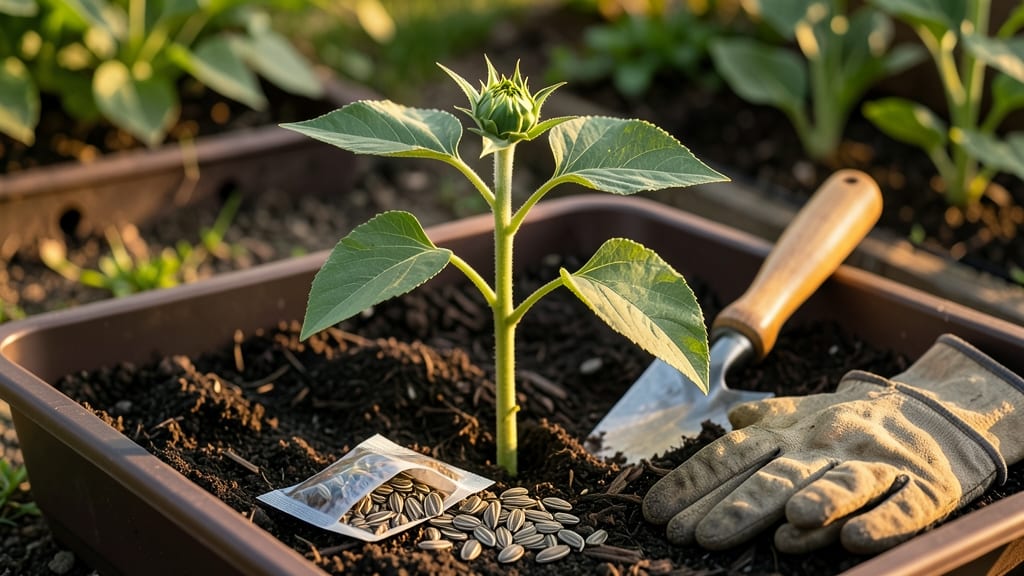
If you’re dreaming of 10-foot-tall 🌻 sunflowers that tower over your Indiana garden, timing your planting is the secret weapon you can’t afford to miss.
Indiana’s USDA Zone 6a climate means frost can linger until mid-April, while summer heat arrives fast—giving you just 165 frost-free days to grow sunflowers from seed to harvest.
Plant too early, and chilly nights will stunt your seedlings; too late, and your sunflowers won’t reach their full glory before winter’s first frost.
I’ll break down the exact mid-April to late June window for direct sowing, when soil temperatures hit the ideal 55°F**, plus pro tips to adjust for Indiana’s microclimates—whether you’re in northern or southern Indiana.
From choosing the right varieties (like ‘Russian Giant’ or ‘Mammoth’) to avoiding common mistakes, you’ll learn how to maximize your sunflower’s height and harvest—without the guesswork.
Optimal sunflower planting dates in Indiana’s zone 6b for maximum height
Indiana’s USDA Zone 6b offers the perfect climate for growing sunflowers that can reach heights of 8–12 feet. To achieve this, timing is critical—you’ll want to plant when soil temperatures consistently stay above 55°F and the risk of frost has passed.
In most of Indiana, this typically falls between mid-April and late June, depending on your location and microclimate.
Northern Indiana (e.g., Gary, South Bend) tends to have cooler springs, so aim for late April to early May. Southern Indiana (e.g., Evansville, Louisville) can start as early as mid-April, giving sunflowers a longer growing season.
Always check your local last frost date, which averages around April 15 for most of the state.
| Stage | Action | Notes |
|---|---|---|
| Soil Prep | Test soil pH (6.0–7.0 ideal) | Amend with compost if needed |
| Direct Sowing | Plant seeds 1 inch deep, 6 inches apart | Wait until soil is 55°F+ |
| Transplanting | Move seedlings after last frost | Use row covers if frost risk remains |
| Frost Protection | Use black plastic mulch or cloches | Extend season by 2–3 weeks |
| Harvest Window | Late August to October | Before seeds turn gray |
For giant varieties like ‘Russian Giant’ or ‘Mammoth’, plant early May to give them the longest possible growing season. These varieties need 90–120 days to reach maturity, so planting too late will result in shorter stems and fewer seeds.
If you’re growing dwarf varieties (3–6 feet), you have more flexibility and can plant as late as early June.
Indiana’s microclimates play a big role in success. Urban areas like Indianapolis often experience heat islands, which can push planting dates slightly earlier. Rural areas with heavy clay soils may need to wait until soil warms fully to avoid waterlogged conditions.
Always monitor your garden’s specific conditions—soil thermometers are a game-changer for accuracy.
Direct sowing is the best method for sunflowers in Indiana, as they hate transplanting. If you start seeds indoors, harden them off for 7–10 days before transplanting after the last frost.
Use black plastic mulch to warm the soil faster and suppress weeds, which is especially helpful in northern Indiana’s cooler springs.
One common mistake is planting sunflowers too close together, which leads to competition for sunlight and nutrients. Space them 18–24 inches apart in rows 2–3 feet apart to ensure each plant gets enough room to grow.
Overcrowding will stunt their height and reduce seed production—definitely not what you want for those 10-foot giants!
If you’re aiming for maximum height, prioritize full sun exposure (at least 6–8 hours daily) and well-draining soil. Sunflowers are drought-tolerant once established, but consistent moisture during the first 4–6 weeks is key. Water deeply in the morning to encourage strong root development and prevent fungal diseases.
For gardeners in northern Indiana, consider using row covers or cold frames to extend the growing season. These tools can push your planting window back by 2–3 weeks, giving your sunflowers more time to grow taller. Just remember to remove covers once flowers appear to allow pollinators access.
Finally, keep an eye on the weather forecast in late summer. If a hard frost is predicted before your sunflowers mature, harvest the seeds early or cover the plants with frost cloth. Even if the stems don’t reach their full potential, you’ll still get a bountiful seed harvest.
Optimal sunflower planting dates in Indiana’s zone 6b for maximum height
Indiana’s USDA Zone 6b offers a 165-day frost-free season, giving sunflowers just enough time to reach their 10-foot glory—if planted at the right moment. The ideal window spans from mid-April to late June, but timing depends on your sunflower variety and microclimate.
Northern Indiana’s cooler pockets may need a later start, while southern regions can push earlier.
For giant varieties like ‘Russian Giant’ or ‘Mammoth’, aim for late May planting to ensure they mature before Indiana’s first frost around October 15. These towering beauties need 70–120 days to reach harvest, so don’t rush—soil must be at least 55°F before seeds go in.
| Stage | Action | Indiana Timing |
|---|---|---|
| Soil Prep | Test pH (6.0–7.0), loosen soil | March–April |
| Direct Sowing | 1" deep, 6" apart | Mid-April–June 15 |
| Transplanting | Seedlings 4–6" tall | May 1–June 1 |
| Frost Watch | Cover seedlings if frost predicted | After May 15 |
| Harvest Ready | Petals dry, seeds firm | Late August–October |
Direct sowing is easier and faster for Indiana gardeners, but transplanting gives you a 2–3 week head start if you start seeds indoors under grow lights. Just remember: sunflowers hate being moved, so use biodegradable pots to avoid root shock.
Northern Indiana’s shorter season favors early-maturing varieties like ‘Autumn Beauty’ (60 days), while southern Indiana can handle late-season giants like ‘ProCut’ (85 days). Check your last frost date—Indiana’s average is April 15, but late frosts can linger into May.
For maximum height, plant in well-draining soil with full sun exposure (6+ hours daily). Amend heavy clay soils with compost or sand to prevent waterlogging, which stunts growth. Mulch around stems to retain moisture and suppress weeds—critical in Indiana’s humid summers.
Pro tip: Use a planting calendar to track your 120-day countdown from seeding to harvest. Mark your first frost date and work backward to avoid late-season surprises. With the right timing, your sunflowers will outshine the Indiana skyline! 🌻