
Plants
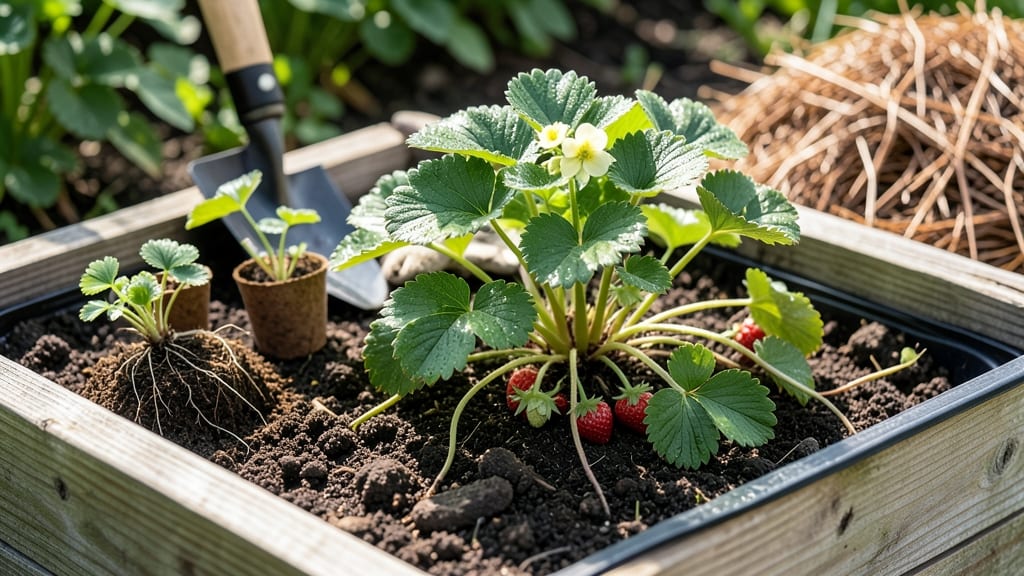
Planting strawberries in Louisiana at the wrong time can mean bitter disappointment—your 🍓 plants bolt before fruiting, leaving you with nothing but frustration. The key to success lies in timing your planting to avoid the state’s brutal summer heat, which triggers early flowering and weak harvests.
In Louisiana’s 8a-9b zones, the ideal window opens in late winter to early spring (February–March) or shifts to fall (September–October) for a second chance. These periods give your strawberries the 8-12 weeks they need to establish roots before summer’s relentless heat forces them into bolting mode.
You might think spring is the only option, but fall planting actually gives you an edge—cooler temps and fewer pests mean stronger plants ready to fruit by next spring.
I’ll break down the exact months to plant, whether you’re using bare-root, potted, or seed-started strawberries, so you can avoid common Louisiana mistakes.
Ready to grow sweet, juicy strawberries without the stress? Let’s dive into the heat-zone safe planting schedule that’ll turn your garden into a berry paradise.
Louisiana heat zones explained: best planting months to avoid strawberry bolting
Louisiana’s USDA Zones 8a-9b create unique challenges for strawberry growers. The state’s humid subtropical climate means summer heat can cause strawberries to bolt prematurely—sending up flower stalks that produce small, bitter berries instead of sweet, juicy fruit.
Timing is everything, and the 8-12 week window before summer heat arrives is critical for success.
Most Louisiana gardeners focus on two planting windows: fall (September-October) and early spring (February-March). Fall-planted strawberries establish roots before winter and produce earlier harvests in spring, while spring-planted varieties avoid winter dormancy risks. The key is planting 8-12 weeks before temperatures consistently exceed 85°F, which triggers bolting.
In North Louisiana (Zone 8a), where winters are slightly cooler, you can push fall planting into early November. Meanwhile, South Louisiana (Zone 9b) gardeners should plant by mid-October to avoid summer heat stress.
Spring planting in both zones should wrap up by mid-March to ensure plants mature before the heat sets in.
| Planting Window | Best Months | Harvest Time | Key Consideration |
|---|---|---|---|
| Fall Planting | September-October | March-May | Establishes roots before winter |
| Spring Planting | February-March | June-July (risky) | Higher bolting risk in summer |
| North LA (Zone 8a) | September-November | April-June | Cooler winters allow later planting |
| South LA (Zone 9b) | September-October | March-May | Hotter summers demand earlier planting |
For everbearing varieties like Albion or Chandler, fall planting is ideal—they produce two harvests: one in spring and another in fall. June-bearing varieties like Camarosa or Seascape thrive with fall planting too, delivering a single massive harvest in spring before summer heat sets in.
Miss the fall window? Don’t panic! You can still plant bare-root strawberries in January, but be prepared for a delayed harvest and potential bolting risks if summer arrives early. The last safe window is early February, giving plants 8-10 weeks to establish before heat stress kicks in.
One critical mistake Louisiana gardeners make is planting too late in spring. By April or May, the heat is already building, and strawberries planted then often bolt before fruiting.
To avoid this, always check your local frost dates—North Louisiana’s last frost is around February 15, while South Louisiana sees sporadic frosts in January but rarely after March.
Pro tip: Use shade cloth in late spring if you must plant later. A 30-50% shade cloth can reduce soil temperatures by 10-15°F, buying you 2-4 extra weeks of safe growing time before bolting begins.
This is especially useful for South Louisiana gardeners pushing the limits of the planting window.
Remember, bolting isn’t just about heat—it’s also triggered by day length. Louisiana’s long summer days (14+ hours of daylight) can accelerate bolting.
By planting in fall or early winter, you shorten the day length exposure and give plants time to focus on root and crown growth instead of flowering.
For the best results, aim for September-October planting in most of Louisiana. This gives your strawberries 8-12 weeks to establish before summer heat arrives, ensuring sweet, juicy ber
Step-by-step guide: how to plant strawberries in Louisiana for maximum yield
Planting strawberries in Louisiana requires careful timing and preparation to thrive in our humid, heat-prone climate. Start by selecting the right varieties—like Chandler or Camille—that handle heat and humidity well. These everbearing types produce fruit in both spring and fall, maximizing your harvest.
Before planting, prepare your soil by amending it with compost or aged manure to improve drainage. Louisiana’s clay-heavy soil can trap moisture, leading to root rot.
Aim for a pH between 5.5 and 6.8, testing your soil first if unsure. Raised beds work wonders for better airflow and drainage.
🌱 Step-by-Step Planting Guide
- Soil Prep: Loosen soil 12 inches deep, mix in 2-3 inches of compost.
- Spacing: Plant crowns 18-24 inches apart in rows 3-4 feet apart.
- Depth: Set crowns ½ inch above soil—never bury the crown.
- Watering: Water deeply immediately after planting to settle roots.
- Mulching: Apply 2-3 inches of straw mulch to retain moisture and deter weeds.
For bare-root plants, soak roots in water for 1-2 hours before planting to rehydrate them. If using potted plants, gently remove them from containers and loosen tangled roots. Plant in full sun—at least 6-10 hours daily—to prevent leggy growth and ensure sweet berries.
After planting, water deeply every 2-3 days, focusing on the roots rather than the leaves to avoid fungal diseases like gray mold. Louisiana’s summer heat can stress plants, so drip irrigation or soaker hoses are ideal for consistent moisture without wetting foliage.
Avoid overhead watering, especially in the evening.
Within 2-3 weeks, you’ll see new growth. This is when to apply a balanced fertilizer (10-10-10) lightly—about 1 tablespoon per plant. Repeat every 4-6 weeks during the growing season, but skip fertilizing in summer to avoid stress. In fall, fertilize again to strengthen roots for winter.
Pro tip: Use black plastic mulch in summer to suppress weeds and keep soil cool. Remove it in fall to allow soil to warm up for next year’s planting. With these steps, your strawberries will thrive in Louisiana’s climate, yielding sweet, juicy berries twice a year! 🍓