
Plants
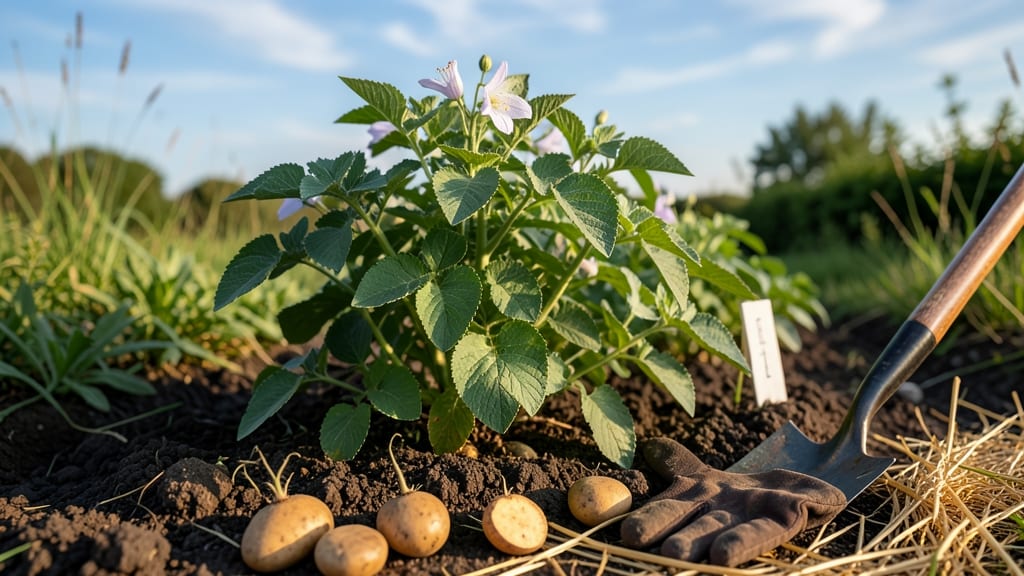
Planting potatoes at the wrong time in Illinois’s Zone 5 climate can mean wasted seeds, stunted growth, or even total crop failure—so timing is everything.
Whether you're a seasoned gardener or a first-timer with a shovel, getting the spring window right ensures your 🥔 harvest thrives while avoiding the dreaded late frosts that haunt Illinois growers.
Most gardeners in Illinois wait until the soil warms to at least 45°F—a critical threshold that signals it's safe to plant. But here's the catch: northern Illinois often needs to wait until mid-to-late May, while southern regions can start as early as early April.
That difference of 6 weeks can make or break your potato patch.
In this guide, I’ll break down the exact planting windows for early, mid-season, and late varieties, plus how to adjust for raised beds or colder microclimates. You’ll also discover the one mistake that causes more potato failures in Illinois than any other—and how to sidestep it completely.
Ready to grow potatoes that outperform last year’s harvest? Let’s dive into the zero-frost planting strategy that’s worked for Illinois gardeners for decades.
Illinois Zone 5 potato planting timeline: exact dates for frost-free growth
Getting your potatoes in the ground at the right time in Illinois’s Zone 5 is the difference between a bumper crop and a total flop.
The average last frost date for most of Illinois falls between April 15 and May 1, but this varies by region—northern areas like Chicago face frost risks weeks longer than southern Illinois.
For zero-frost success, aim to plant when soil temperatures hit 45°F (7°C) consistently, even if nighttime temps still dip.
Illinois’s microclimates mean your neighbor’s perfect planting window might not work for you. Southern Illinois (Zone 6) can plant 2-3 weeks earlier than northern areas like Dubuque or Rockford.
Always check your local USDA Plant Hardiness Zone and track soil temps with a soil thermometer—potatoes won’t thrive in cold, soggy soil, no matter how eager you are to start.
Here’s the golden rule for Illinois gardeners: Plant early varieties (like ‘Yukon Gold’) 2-3 weeks before your last frost date, mid-season varieties (such as ‘Kennebec’) at the exact last frost date, and late varieties (like ‘Russet’) 2 weeks after.
This staggered approach ensures a continuous harvest and minimizes frost damage. Raised beds can give you a 2-week head start since they warm up faster than in-ground soil.
🌱
For northern Illinois (e.g., Chicago, Rockford), where late frosts are common, consider using frost cloth to protect early plantings. Southern Illinois gardeners (e.g., St. Louis, Carbondale) can push planting dates 10-14 days earlier thanks to warmer microclimates.
Always monitor the National Weather Service’s frost predictions for your county—Illinois’s late-spring frost risks can appear as late as May 15 in some years.
If you’re unsure about your exact last frost date, use this rule of thumb: Plant early varieties by April 15 and mid-season varieties by May 1 in most of Zone 5.
For container growing, start seeds indoors 6-8 weeks before your last frost date and transplant when soil is 50°F (10°C). Containers warm up faster, making them ideal for urban gardeners in Chicago or Springfield.
Pro tip: Plant seed potatoes shallowly (4 inches deep) and cover with 2-3 inches of soil until sprouts reach 4-6 inches tall. This hilling method protects new growth from late frosts and encourages more tubers.
In Illinois’s heavy clay soils, mix in compost or sand to improve drainage—potatoes hate soggy roots!
🌿
Don’t let Illinois’s unpredictable spring weather catch you off guard. If a late frost hits after planting, cover your potatoes with straw or frost cloth immediately. The key to success is flexibility: Have
Illinois Zone 5 potato planting timeline: exact dates for frost-free growth
Timing is everything when planting potatoes in Illinois, where Zone 5 frosts can linger until late spring. The key is planting after the last average frost date—typically mid-April in southern Illinois and late May in northern regions.
For most of the state, aim for 2-4 weeks after your last frost to ensure soil temperatures stay above 45°F.
Early varieties like Yukon Gold can tolerate cooler soils, while late varieties such as Russet Burbank need warmer conditions. In northern Illinois, wait until May 15-30 to avoid frost damage. Meanwhile, southern Illinois gardeners can start as early as April 1-15, thanks to milder microclimates.
Here’s how to align your planting with Illinois’s frost patterns for a zero-frost harvest:
For raised beds, you can plant 2-3 weeks earlier because they warm up faster. Use a soil thermometer to confirm temperatures meet the 45°F minimum—cold soil slows sprouting and invites rot. If your area has unpredictable frosts, opt for late-maturing varieties like Kennebec to extend your harvest window.
Pro tip: Plant seed potatoes in trenches (4-6 inches deep) to protect young sprouts from late frosts. Cover with straw mulch if nighttime temps dip below 50°F after planting. This simple trick can save your crop from blackleg disease, a common issue in Illinois’s damp springs.
Harvest timing varies by variety, but most Illinois gardeners can expect 90-120 days from planting to harvest. Early varieties like Red Pontiac may be ready by mid-July, while late varieties like Russet won’t be ready until late September. Plan accordingly to avoid missing your window!