
Plants
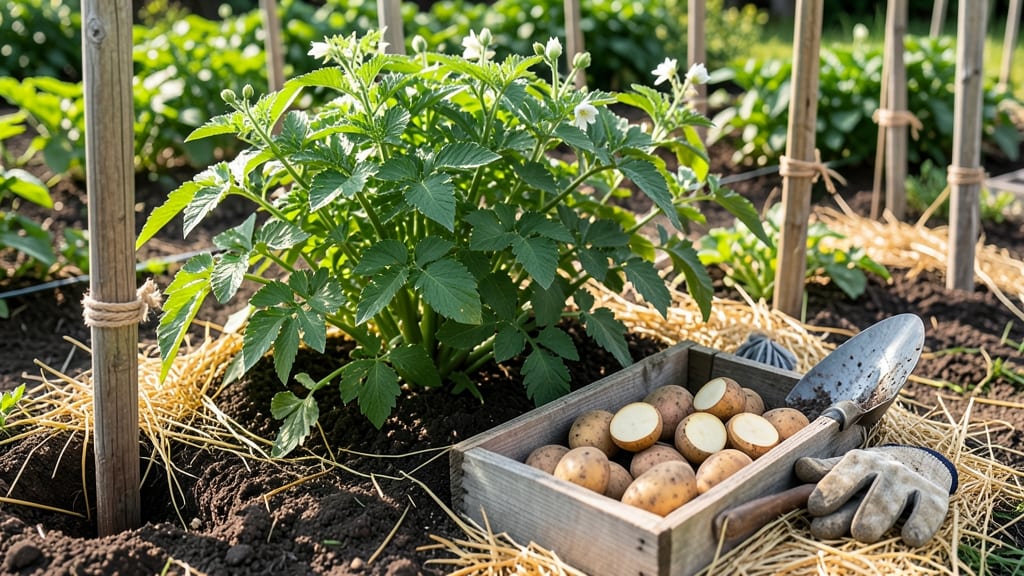
If you’ve ever wondered when you can plant potatoes in Georgia and still get a thriving harvest—or why your 🥔 potatoes in Georgia either rot in the ground or never quite reach their full potential—timing is the secret weapon you’ve been missing.
Georgia’s 7b-8b climate gives you a longer growing season than most states, but planting potatoes at the wrong time—whether too early and risking frost or too late and missing peak harvest—can turn your garden dreams into disappointment.
I’ve grown potatoes in Georgia for years, and the difference between a bountiful harvest and a barely-there yield often comes down to a few weeks of precise timing.
Whether you’re in the Piedmont’s cooler hills or the Coastal Plain’s warmer lowlands, knowing the exact frost-free windows for early, mid-season, and late varieties is the key to success.
Here’s what you need to know to plant potatoes at the perfect moment—so you can enjoy homegrown spuds from June all the way through October without the guesswork.
Georgia’s potato planting timeline by hardiness Zone and frost dates
Georgia’s diverse climate—from the Coastal Plain’s humidity to the mountain regions’ cooler nights—means potato planting windows vary dramatically. Most of the state falls in USDA Zones 7b-8b, but microclimates can shift your ideal planting date by 2-4 weeks.
For example, Athens (Zone 8a) has a later last frost (March 15) than Blairsville (Zone 7a), where frost lingers until April 1.
To avoid frost damage to tubers, wait until soil temperatures hit 45–55°F—a critical threshold for seed potato sprouting. Use a soil thermometer to check depth (4 inches).
In Zone 7a (north Georgia mountains), aim for March 1–15; in Zone 8b (coastal areas), you can plant as early as February 15 for early varieties.
Urban gardeners in Atlanta’s heat islands may see slightly earlier soil warming, while rural areas with poor drainage should delay planting until excess moisture evaporates. Always account for 210 frost-free days in Georgia—critical for varieties needing 90–120 days to mature.
📅 Key Dates by Region:
- North Georgia (Zone 7a): Last frost March 15–April 1 → Plant March 1–15
- Central Georgia (Zone 7b): Last frost March 1–15 → Plant February 20–March 10
- South Georgia/Coastal (Zone 8a-8b): Last frost January 15–February 15 → Plant January 30–March 1
Georgia Potato Planting Timeline by Zone
| Zone | Last Frost Date | Ideal Planting Window | Soil Temp Requirement | Notes |
|---|---|---|---|---|
| 7a (Blairsville) | March 15–April 1 | March 1–15 | 45–55°F | Use row covers for early starts |
| 7b (Atlanta) | March 1–15 | February 20–March 10 | 45–55°F | Heat islands may allow earlier planting |
| 8a (Macon) | January 15–February 15 | January 30–March 1 | 48–55°F | Early varieties only for Jan planting |
| 8b (Savannah) | January 1–February 1 | January 15–February 28 | 50–55°F | Humidity increases disease risk |
For urban gardeners in concrete-heavy areas, soil warms 2–3°F faster than rural plots. Test soil moisture weekly—dry soil heats up quicker than saturated ground. If your area experiences unpredictable late frosts (like 2023’s April freeze), delay planting until April 15 for safety.
Early planting (January–February)
Best potato varieties for Georgia’s climate and when to plant them
Georgia’s diverse climate—from the Coastal Plain’s humidity to the Piedmont’s cooler nights—means not all potato varieties thrive equally. To maximize your harvest, choose heat-tolerant, disease-resistant types that match your planting window.
Early varieties like ‘Red LaSoda’ (70 days) are perfect for February-March starts, while ‘Yukon Gold’ (110 days) shines when planted in April. Late-season ‘Kennebec’ (120 days) rewards patient gardeners with harvests into October—ideal for Georgia’s extended growing season.
For urban gardeners or small spaces, ‘Sweetheart’ (90 days) is a compact, round tuber that adapts well to containers. If you’re aiming for storage potatoes, ‘Russet’ (100 days) handles Georgia’s heat better than most, though it needs well-draining soil to avoid scab disease.
Always pre-sprout seed potatoes 4–6 weeks before planting to jumpstart growth in Georgia’s unpredictable early springs.
🌱
| Variety | Days to Maturity | Best Planting Window | Georgia Suitability |
|---|---|---|---|
| Red LaSoda | 70–80 days | February–March | Early harvest; heat-tolerant |
| Yukon Gold | 100–110 days | March–April | Buttery texture; needs consistent moisture |
| Kennebec | 110–120 days | April–May | Storage-friendly; late-season harvest |
| Sweetheart | 90 days | March–April | Compact; great for containers |
| Russet | 100 days | April–May | Disease-resistant; needs drainage |
If you’re in North Georgia (Zone 7a), stick to early varieties like ‘Red LaSoda’ to avoid late spring frosts, which can damage emerging shoots. Meanwhile, South Georgia (Zone 8a) gardeners can push the envelope with late-season ‘Kennebec’, but mulch heavily to retain moisture during summer’s intense heat.
For fall harvests, plant a second crop of ‘Yukon Gold’ in early June—just ensure your soil stays above 55°F for tuber development.
Pro tip: Avoid planting green-skinned potatoes like ‘Irish Cobbler’ in Georgia’s heat—they’re prone to sunscald. Instead, opt for red or yellow varieties with thicker skins. And if you’re succession planting, stagger your crops every 2–3 weeks to enjoy a continuous harvest from June through October.
Just remember: shallow soil? Use raised beds to prevent tubers from baking in the sun.
🌿
For organic gardeners, rotate your potato patch with beans or peas the prior year to break disease cycles. Georgia’s clay-heavy soils often need sand or compost to improve drainage—test your soil first!
And while fertilizer isn’t critical for potatoes, a light 5-10-10 mix at planting gives them a strong start. The key? Watch your plants, not the calendar. When flowers appear, it’s time to hill soil around stems to protect tubers from greening (a sign of too much light).