
How To
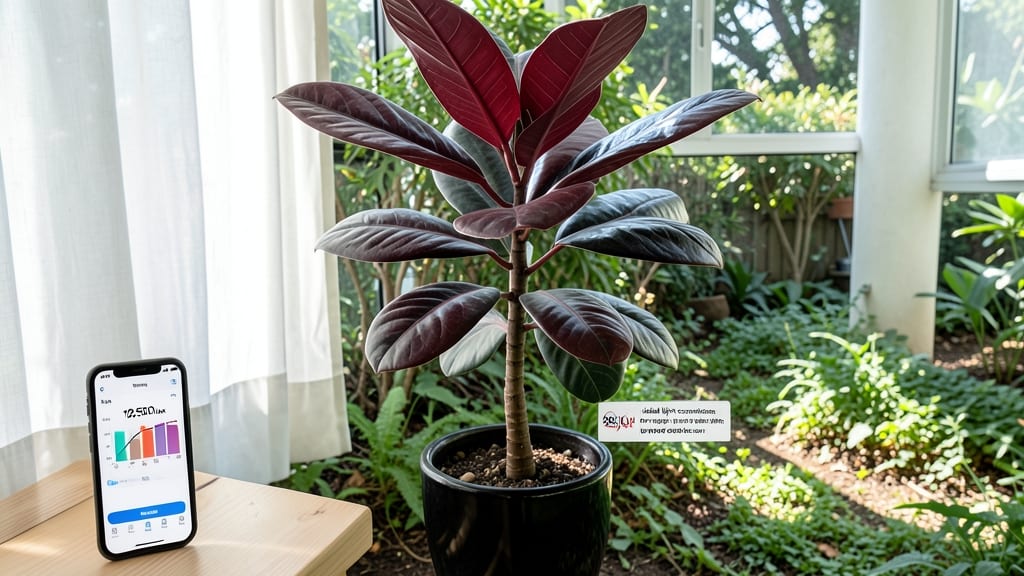
If your rubber plant needs how much light to thrive, you’re not alone—the right amount of light makes all the difference. Too little sunlight leaves it stretched and weak, while harsh direct rays burn those glossy leaves.
The key? Finding that sweet spot of bright, indirect light where your plant thrives without stress.
Most people assume rubber plants can handle low light, but that’s a common mistake. These tropical beauties actually crave moderate to bright indirect light, like what you’d find near an east-facing window. Without it, they’ll grow slow, lose their vibrant color, and become prone to pests.
Let’s break down exactly how to give your rubber plant the perfect light setup—so you can enjoy those lush, healthy leaves year-round.
You might be surprised by how easy it is to fix light-related issues once you know the signs. Yellowing leaves? Probably too much sun. Stems reaching toward the window? Not enough light.
I’ll walk you through how to adjust placement, use artificial lighting if needed, and even troubleshoot seasonal changes—so your rubber plant stays happy and thriving, no matter where you place it in your home.
Ready to transform your rubber plant’s health? By the end of this guide, you’ll know exactly where to position it, how to spot light problems early, and even how to supplement natural light for the best results. Let’s get started!
Optimal light levels for rubber plants: bright indirect sunlight explained
Rubber plants (Ficus elastica) thrive in bright indirect light, which mimics their natural understory habitat. The ideal light range for these plants falls between 1000–2000 lux, equivalent to morning sunlight filtered through sheer curtains or a north-facing window.
Without enough light, your plant will stretch toward the nearest window, creating leggy growth with sparse leaves.
To measure light in your home, use a light meter app (like Light Meter by Azoft) or observe your plant’s response. If leaves are dark green and glossy, you’re in the perfect zone.
However, if they’re pale or yellowing, your rubber plant needs more light. Direct midday sun can scorch leaves, causing crispy brown edges, so avoid placing it near south- or west-facing windows without a sheer curtain.
Seasonal adjustments are key. In summer months, when sunlight is intense, move your rubber plant 3–4 feet back from the window. During winter, when natural light is scarce, supplement with a grow light for 12–14 hours daily to maintain growth.
This mimics the plant’s natural light cycle and prevents dormancy.
| Light Condition | Lux Range | Ideal Placement | Seasonal Notes |
|---|---|---|---|
| Bright Indirect | 1000–2000 lux | East/west window, 2–3 ft away | Spring/Fall: Ideal year-round |
| Low Light | <500 lux | North window, interior room | Winter: Supplement with grow light |
| Direct Sun | >2000 lux | South/west window, unfiltered | Summer: Risk of leaf burn |
For variegated rubber plants (like ‘Tineke’ or ‘White Christmas’), light requirements are even stricter. These varieties need more light to maintain their striking patterns—place them near a bright, east-facing window or under a grow light.
Without enough light, their variegation fades to solid green, losing the dramatic contrast that makes them so popular.
If your home lacks natural light, rotate your rubber plant quarter-turns every 2 weeks to ensure even growth. This prevents the plant from leaning toward one light source, which can create an uneven, lopsided appearance.
Pair this with a reflective surface, like a white-painted wall or mirror behind the plant, to bounce extra light onto the leaves.
Outdoor rubber plants can handle partial shade in USDA zones 10–12, but they’ll grow faster and healthier with morning sun and afternoon shade. In colder climates, bring potted rubber plants indoors before temperatures drop below 50°F to protect them from frost damage.
Always acclimate them gradually to indoor light conditions to avoid shock.
Pro tip: Test your plant’s light tolerance by moving it incrementally. Start with 2 hours of extra light per day and monitor for 1–2 weeks before increasing exposure. This slow adaptation helps your rubber plant adjust without stress, ensuring lush, vibrant growth all year round.
Optimal light levels for rubber plants: bright indirect sunlight explained
Rubber plants (Ficus elastica) thrive in bright indirect light, but many gardeners struggle to recreate this environment indoors. The ideal range sits between 1000–2000 lux, which mimics dappled sunlight under a tree canopy.
Without this balance, your plant may stretch toward light sources or develop weak, pale leaves.
To measure your space, use a light meter app (like Light Meter for iOS) or observe how shadows shift during the day. South-facing windows often provide too much direct sun, while north-facing windows may deliver insufficient light.
East or west-facing windows strike the perfect middle ground for most rubber plant varieties.
| Light Condition | Lux Range | Best Window Placement | Plant Response |
|---|---|---|---|
| Bright Indirect | 1000–2000 | East or North window, 2–3 ft away | Healthy growth, glossy leaves |
| Low Light | <500 | Corner rooms, no direct sun | Leggy stems, pale leaves |
| Direct Sun | >2000 | South window, no filter | Brown spots, crispy edges |
Seasonal adjustments are key—winter months often mean reduced natural light, so rotate your plant every 2–3 weeks to ensure even exposure. If you notice stretched stems or small leaves, it’s a sign your rubber plant is reaching for more light.
For variegated varieties (like 'Black Gold' or 'White Christmas'), ensure they receive slightly more light to maintain their striking patterns.
Pro tip: Sheer curtains or a light filter screen can diffuse harsh afternoon sun, creating the perfect bright indirect environment. Avoid placing your rubber plant directly on cold glass windowsills, as temperature fluctuations can stress the roots.
For indoor growers, LED grow lights (like the SANSI 15W clip-on bulb) can supplement natural light, especially in low-light bathrooms or north-facing rooms. Aim for 12–14 hours of light daily if using artificial sources, and position the light 6–12 inches above the plant.
Remember, rubber plants are forgiving—they’ll adapt to moderate light changes, but consistency is key. If you move your plant frequently, expect a 2–4 week adjustment period as it acclimates to new light conditions. 🌿