
How To
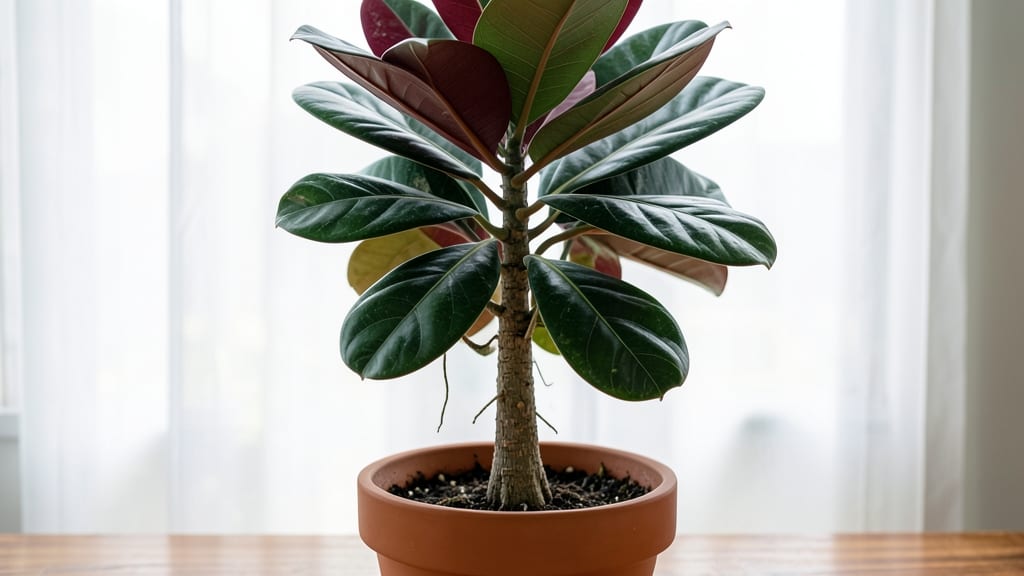
If you’re wondering how tall does a rubber plant grow, you’re not alone—many plant parents watch in awe (and slight panic) as their once-tiny houseplant turns into a towering green giant.
The good news? With the right care, you can guide its growth to fit your space without sacrificing its bold, glossy leaves.
Understanding how tall a rubber plant grows—whether indoors or outdoors—is the first step to keeping it happy and manageable. On average, these plants can reach 6 to 10 feet tall, but their height depends on factors like light, pruning, and even the specific variety.
Let’s break down what influences their growth and how you can shape it to your liking.
Pruning isn’t just about trimming back overgrowth—it’s a game-changer for controlling height and encouraging bushier growth. Whether you’re dealing with a leggy stem or just want to keep your plant compact, the right techniques can make all the difference.
I’ll share my top tips to keep your rubber plant thriving and at the perfect height for your home.
From dwarf varieties that stay under 5 feet to standard types reaching ceiling heights, there’s a rubber plant size for every space. Discover how to train yours to stay within your desired limits—without stunting its natural beauty.

Natural height limits of rubber plants: indoor growth expectations by variety
Rubber plants (Ficus elastica) are known for their dramatic vertical growth, but their mature height varies dramatically by variety and growing conditions. In ideal indoor environments with bright indirect light and proper care, these plants can reach heights of 6 to 10 feet over 3-5 years.
However, their growth rate slows significantly after reaching maturity, making them more manageable with consistent care.
Understanding your specific variety’s growth habits is key—some cultivars like the standard rubber plant grow taller, while others like ‘Tineke’ or ‘Black Prince’ stay more compact. Factors like pot size, humidity levels, and pruning frequency can also influence how quickly your plant climbs toward the ceiling.
The summary table below breaks down height expectations by variety, along with care tips to keep your rubber plant thriving without outgrowing its space.
| Variety | Mature Height (Indoor) | Growth Rate | Care Tips for Height Control |
|---|---|---|---|
| Standard Rubber Plant | 6–10 ft | Fast (1–2 ft/year) | Prune annually; use 12" pots max. |
| ‘Tineke’ (Variegated) | 3–5 ft | Moderate (6–12 in/year) | Rotate for even growth; fertilize lightly. |
| ‘Black Prince’ | 5–7 ft | Moderate (8–12 in/year) | Provide high humidity; prune leggy stems. |
| ‘White Princess’ | 4–6 ft | Slow (4–8 in/year) | Use grow lights if light is dim. |
| ‘Burgundy’ | 6–8 ft | Fast (1–2 ft/year) | Repot every 2 years; avoid overwatering. |
If you’ve noticed your rubber plant shooting up faster than expected, check its light exposure—too much direct sun can cause etiolation, where stems stretch unnaturally to reach light. Moving it to a north-facing window or using a sheer curtain can slow vertical growth while keeping leaves vibrant.
Pot size also plays a huge role: a root-bound rubber plant in a cramped container will focus energy on upward growth rather than bushiness. Upgrading to a pot just 2–3 inches wider than its current one can encourage a fuller shape while maintaining manageable height.
Humidity is another secret weapon for controlling growth. Rubber plants native to tropical regions thrive in 50–60% humidity, but most homes average 30–40%. Grouping plants together or using a pebble tray with water can mimic their natural environment, slowing rapid elongation and promoting denser foliage.
I once had a standard rubber plant that hit 8 feet in just 3 years—until I moved it to a brighter spot and pruned the top. Within months, it had three new side shoots and grew wider instead of taller.
The key? Pruning at the right time (early spring) and giving it the right conditions to focus energy outward.
For varieties like ‘Tineke’, which stay shorter naturally, the challenge shifts to preserving their variegation. Too little light can cause the white or pink stripes to fade, while too much direct sun can scorch the leaves.
Finding that sweet spot of bright indirect light is critical for both height control and leaf health.
Pro tip: If your rubber plant is already towering over your head, don’t panic. You can top it off (cut the stem just above a leaf node) and propagate the cutting to create a bushier mother plant or share with friends.
This technique works wonders for keeping your plant at a desired height without sacrificing its lush appearance.
Remember, rubber plants are adaptable—with the right care, you can guide their growth to fit your space perfectly. Whether you’re aiming for a floor-level statement plant or a countertop companion, understanding these height limits and growth factors puts you in control.
Pruning secrets to control rubber plant height without sacrificing foliage
Pruning isn’t just about trimming back overgrowth—it’s the secret weapon to shaping your rubber plant into a manageable, bushier beauty. When done right, pruning encourages lateral growth, thickens stems, and keeps your plant from becoming a towering indoor tree.
The key is timing and technique, both of which I’ve perfected after years of experimenting with my own Ficus elastica.
Start by waiting until your plant has at least 4-6 mature leaves on a stem before pruning. This ensures you’re cutting above a leaf node, where new growth will sprout.
Use clean, sharp pruners or scissors to make a 45-degree angle cut just above the node—this prevents water from pooling and causing rot. Avoid tearing the stem, as this can introduce disease.
🌿 Step-by-Step Pruning Guide for Rubber Plants
- Step 1: Identify healthy stems with 3-4 leaves to prune.
- Step 2: Cut 1/4 inch above a leaf node at a 45-degree angle.
- Step 3: Remove lower leaves from the cutting to expose the stem node.
- Step 4: Place cutting in water or moist soil to root.
- Step 5: Repot the pruned plant in fresh, well-draining soil.
For bushier growth, prune the top 2-3 inches of the tallest stems. This signals the plant to focus energy on side branches rather than vertical growth.
If your rubber plant is leggy, trim back the longest stems first—this forces the plant to redirect its energy downward, creating a fuller shape. Just be patient; new growth may take 4-6 weeks to appear.
Don’t throw away those pruned cuttings! Rubber plants root easily in water, making propagation a breeze. Simply place your 4-inch cuttings in a jar of water, changing it every 5-7 days.
Within 2-3 weeks, you’ll see roots forming—perfect for gifting or expanding your plant collection. This is also a great way to control height while multiplying your plants!
Timing matters too. The best time to prune is during the spring or early summer, when your rubber plant is entering its active growth phase. Avoid pruning in winter, as the plant is dormant and won’t recover as quickly.
If you notice yellowing leaves or stunted growth after pruning, it might be a sign of over-pruning—stick to removing no more than 20-30% of the plant’s foliage at once.
Pro tip: After pruning, give your rubber plant a light fertilizer to support new growth. A balanced 10-10-10 fertilizer applied 2 weeks post-prune helps the plant bounce back faster. Pair this with bright, indirect light, and you’ll see lush, compact growth in no time.
With these techniques, you’ll never let your rubber plant grow into an unruly giant again!