
Plants
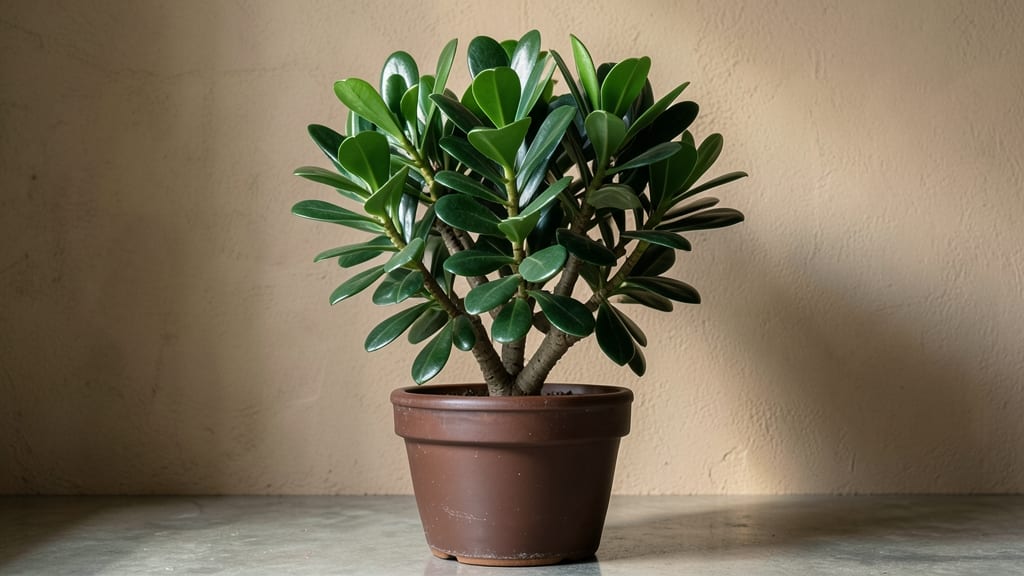
If you’ve ever wondered just how tall your ZZ Plant 🌿 can get, the answer might surprise you—because this hardy houseplant doesn’t just grow tall; it grows strategically.
Unlike some plants that shoot up quickly, ZZ plants mature at a steady, predictable pace, making them perfect for both small spaces and larger rooms.
Under ideal indoor conditions, most ZZ plants reach between 2 to 3 feet at maturity, though they can occasionally stretch taller if given plenty of light and space. The key? Their growth isn’t just about height—it’s about how you care for them.
Proper lighting, pot size, and occasional pruning can keep them lush and manageable, whether you’re aiming for a bushy desk companion or a statement plant in your living room.
But here’s the thing: ZZ plants are masters of adaptability. They’ll grow slower in low light or tight pots, while brighter conditions and larger containers encourage fuller, taller growth.
If you’re worried about your plant outgrowing its space, don’t fret—there are simple ways to control its height without sacrificing its stunning, waxy leaves.
Ready to learn exactly how to encourage the perfect size for your home? I’ll break down the stages of growth, the factors that influence height, and the easiest tricks to keep your ZZ Plant 🌿 looking its best—no matter how much (or little) space you have.

ZZ plant height by growth stage: indoor vs outdoor growth charts
The ZZ plant (Zamioculcas zamiifolia) grows at a surprisingly steady pace, making it perfect for both beginners and busy plant parents. Under ideal conditions, it reaches its mature height of 2-3 feet in 2-3 years, though growth slows dramatically after the first year.
Unlike fast-growing succulents, this plant’s slow-and-steady approach means you won’t need to repot or prune often—but knowing its growth stages helps you plan for its eventual size.
Indoor ZZ plants typically stay on the shorter side because container growth limits root expansion. Without proper care, they can become leggy and top-heavy, stretching toward light sources. Outdoor ZZ plants, however, have the potential to grow taller and bushier when given space to spread their rhizomes.
The key difference? Pot size and sunlight exposure directly impact how tall (or wide) your ZZ plant becomes.
Here’s how your ZZ plant’s height progresses over time, with a side-by-side comparison of indoor vs. outdoor growth:
| Growth Stage | Indoor Height (Container) | Outdoor Height (Ground) | Time to Reach Stage | Key Growth Factors |
|---|---|---|---|---|
| Juvenile | 6-12 inches | 12-18 inches | 0-6 months | Light, pot size, soil drainage |
| Young Adult | 1-2 feet | 2-3 feet | 6-18 months | Fertilizer, repotting needs |
| Mature | 2-3 feet | 3-4 feet | 2-3 years | Light, pruning, root space |
| Over-Mature (Neglected) | 3-4 feet (leggy) | 4-5 feet | 4+ years | Poor light, lack of pruning |
Notice how outdoor ZZ plants can grow 1-2 feet taller than their indoor counterparts? That’s because they’re not confined to a pot, allowing their rhizomes (underground stems) to spread freely. Indoors, you’ll need to repot every 2-3 years to prevent root-binding, which stunts height and encourages legginess.
One common misconception is that ZZ plants grow taller in low light. In reality, they stretch toward light sources, becoming thinner and less stable.
To keep your ZZ plant compact and bushy, place it 2-3 feet from a north or east-facing window—this encourages even growth rather than vertical elongation.
If you’re growing a ZZ plant in a large pot (10+ inches in diameter), expect it to reach mature height faster because the extra root space encourages more foliage production.
Smaller pots (6-8 inches) will slow growth but keep the plant shorter and denser, ideal for desk or shelf placement.
For outdoor gardeners in USDA zones 9-11, ZZ plants can thrive in partial shade with well-draining soil. In these conditions, they may grow wider than tall, forming a clumping habit with multiple stems.
If you’re in a cooler climate, treat it as a tropical houseplant and bring it indoors before temperatures drop below 50°F (10°C).
Pro tip: If your ZZ plant starts to lean or stretch, it’s not necessarily a sign of poor health—it’s just seeking light. Rotate the pot quarter-turns every 2-3 weeks to encourage even growth and prevent lopsided height development.
🌿
How to control ZZ plant height: pruning, repotting, and light tips
Managing your ZZ plant’s height is easier than you think—especially since these plants naturally grow vertically but slowly. With the right techniques, you can keep it compact or encourage bushier growth instead of a towering stalk. Start by understanding that pruning and repotting are your best tools for control.
Pruning isn’t just for shaping—it also stimulates new side shoots, creating a fuller plant. Use clean, sharp pruning shears to snip just above a leaf node (the bump where leaves grow). This simple step can transform a leggy ZZ into a lush, bushy shrub within months.
Here’s how to do it right: Trim back overly long stems in early spring when growth kicks off. Avoid cutting more than 1/3 of the plant at once to prevent stress. Propagate those cuttings in water or soil if you want free plants!
🌱 Key Techniques to Manage ZZ Plant Height
- 1. Prune in spring to encourage bushier growth and prevent legginess.
- 2. Repot every 2-3 years into a slightly larger container to slow vertical growth.
- 3. Rotate the pot weekly to ensure even light exposure and prevent leaning.
- 4. Use bright indirect light to promote denser foliage instead of tall stems.
- 5. Avoid overwatering—root-bound stress can make plants grow taller faster.
Repotting is another game-changer. ZZ plants thrive when root-bound, but if they’re cramped for too long, they’ll stretch upward for light. Choose a pot that’s only 1-2 inches wider than the current one. This keeps roots snug, slowing vertical growth while encouraging leaf production.
Light exposure plays a crucial role too. While ZZ plants tolerate low light, they’ll grow leggier in dim conditions. Place yours near a north-facing window for balanced growth. If your space is dark, supplement with a grow light for 6-8 hours daily to keep stems compact.
Finally, fertilize lightly in spring to support healthy leaf growth rather than rapid height increases. A balanced fertilizer (like 10-10-10) applied every 2-3 months is perfect. Skip fertilizing in winter when growth slows naturally.
With these tips, your ZZ plant will stay at your desired height—whether you prefer a desk-sized shrub or a tall statement piece. Small adjustments make a big difference! 🌿