
Companion Plants
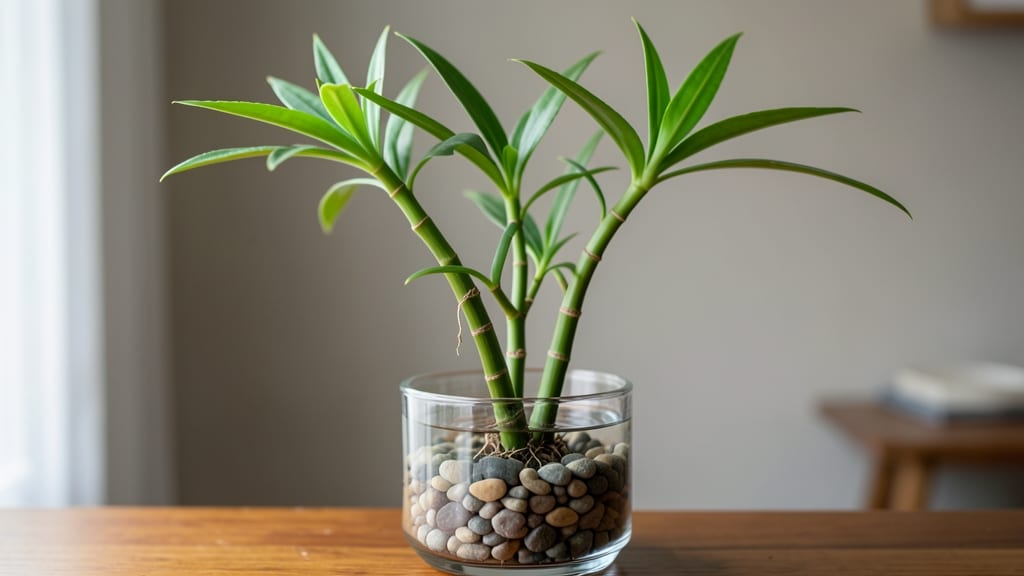
If you've ever wondered just how tall a bamboo plant 🌿 can grow, the answer might surprise you—some varieties shoot up faster than you can say "privacy screen" and reach heights that dwarf even the tallest trees.
This fast-growing grass isn't just for tropical gardens; with the right species, you can add dramatic vertical interest to your landscape in just a few years.
But before you plant, knowing whether you're dealing with a dwarf variety (staying under 10 feet) or a towering giant (soaring over 60 feet) makes all the difference in planning.
In this guide, I'll break down the height ranges of bamboo by species, from compact clumpers to aggressive runners, and share practical tips to keep your bamboo in check—no matter how ambitious its growth gets.
Whether you're dreaming of a lush screen or a striking focal point, let's explore how to harness bamboo's rapid growth while keeping it under control.

Bamboo plant height by species: from dwarf to towering giants
Bamboo plants are famous for their rapid growth, but their mature heights can vary dramatically—from compact dwarf varieties to giant timber bamboo reaching over 100 feet.
Understanding these differences helps you choose the perfect species for your garden, whether you need a privacy screen or a small container plant. The key factors influencing height are the species, its growth habit, and environmental conditions.
Most bamboo falls into two growth categories: clumping and running. Clumping bamboo grows in tight clusters, making it ideal for small spaces, while running bamboo spreads aggressively via underground rhizomes, often reaching towering heights.
For example, Bambusa multiplex (dwarf bamboo) stays under 10 feet, while Phyllostachys bambusoides (timber bamboo) can soar to 60-100 feet in ideal conditions.
Here’s how bamboo heights break down by category, including some of the fastest-growing species and their mature sizes:
| Height Category | Species Examples | Mature Height (ft) | Growth Habit | Growth Rate (ft/year) |
|---|---|---|---|---|
| Dwarf | Bambusa multiplex, Fargesia robusta | 5–10 ft | Clumping | 1–2 ft |
| Semi-Dwarf | Bambusa vulgaris 'Wamin', Fargesia nitida | 10–20 ft | Clumping | 2–3 ft |
| Medium | Phyllostachys aureosulcata, Borinda spectabilis | 20–30 ft | Running or Clumping | 3–5 ft |
| Tall | Phyllostachys bissetii, Dendrocalamus asper | 30–60 ft | Running | 5–10 ft |
| Giant | Phyllostachys bambusoides, Dendrocalamus giganteus | 60–100+ ft | Running | 10–15 ft |
🌱 Note: Running bamboo grows faster but requires containment.
If you’re planning a privacy screen, running bamboo like Phyllostachys vivax can grow 10 feet per year in ideal conditions, reaching 60 feet in just 6 years.
Meanwhile, clumping bamboo like Fargesia murielae stays under 10 feet and spreads slowly, making it perfect for small gardens or container growing.
Climate also plays a role. In USDA Zones 7-10, bamboo thrives year-round, while colder zones may see slower growth or winter dieback. For example, Bambusa oldhamii (a running type) grows 30-50 feet in warm climates but may stay shorter in cooler regions.
Always check your local hardiness zone before planting taller species.
For fastest growth, running bamboo like Phyllostachys aureosulcata (yellow groove bamboo) can add 5-7 feet per year with proper care. To maximize height, provide full sun (6+ hours daily), well-draining soil, and regular watering.
In contrast, dwarf bamboo like Bambusa multiplex 'Tiny Fern' tops out at 6 feet and grows just 1 foot per year, making it ideal for balconies or patios.
One common misconception is that all bamboo grows tall. In reality, many ornamental bamboo varieties are bred to stay short, like Bambusa multiplex 'Alphonse Karr', which maxes out at 8 feet.
Always verify the species before planting—some "dwarf" labels are misleading, and the plant may outgrow expectations over time.
When selecting bamboo for height control, prioritize clumping types for small spaces and running types with root barriers for larger areas. For instance, Fargesia denudata (Umbrella bamboo) stays under 10 feet naturally, while Phyllostachys nigra (Black bamboo) can reach 40 feet without containment.
Understanding these differences ensures your bamboo stays within your desired landscape boundaries.
🌿 Whether you’re aiming for a tropical accent plant or a natural privacy fence, choosing the right bamboo species based on height is the first step to a stunning, low-maintenance garden.
How to control bamboo growth height in landscapes and gardens
Controlling bamboo height isn't just about pruning—it's about understanding its aggressive growth habits. Running bamboo spreads via underground rhizomes, while clumping bamboo grows in tight clusters. Without containment, running types like Phyllostachys aureosulcata can shoot up to 60 feet tall and spread 23 feet per year if left unchecked.
Even clumping varieties need occasional height management to maintain your garden's aesthetic.
Start with proper planting techniques to limit spread. Bury rhizomes 2 inches deep and space them 3-5 feet apart—this slows early growth. For small spaces, choose dwarf clumping varieties like Bambusa multiplex, which max out at 10 feet tall and stay contained.
Always check if your bamboo is running or clumping before planting!
🚨 Visual Element: Callout Warning 🚨
⚠️ Bamboo Growth Warning
Ignoring containment leads to uncontrollable spread. Running bamboo can breach driveways and foundations in 3-5 years if not contained!
- ✅ Use root barriers for running types
- ✅ Choose clumping for small gardens
- ❌ Avoid planting near septic systems or sidewalks
For established plants, root barriers are your best defense. Install 2-3 foot deep barriers made of corrugated metal or HDPE plastic around the planting area. This stops rhizomes from spreading horizontally but won’t affect vertical growth.
Pair this with regular pruning—cut back 1/3 of the tallest canes in early spring to encourage bushier growth and prevent towering stalks.
Pruning isn't just for height control—it's also about health. Remove dead or weak canes first, then thin out crowded stems to improve airflow. Never cut more than 30% of the plant at once, or you'll shock the bamboo.
For running bamboo, dig up stray shoots 1 foot from the barrier edge to maintain clean borders.
Mulching plays a surprising role in height management. Apply 3-4 inches of organic mulch (like wood chips) around the base to suppress weeds and retain moisture—both of which encourage thicker, shorter growth.
Avoid inorganic mulches like gravel, which can dry out roots and stress the plant, leading to taller, weaker stalks.
Finally, monitor your bamboo's growth seasonally. In late winter or early spring, assess which canes need pruning. If you notice aggressive new shoots beyond your barrier, it's time to dig up and remove them before they establish.
With consistent care, even towering bamboo can be kept in check while still providing that lush, tropical look you love! 🌿